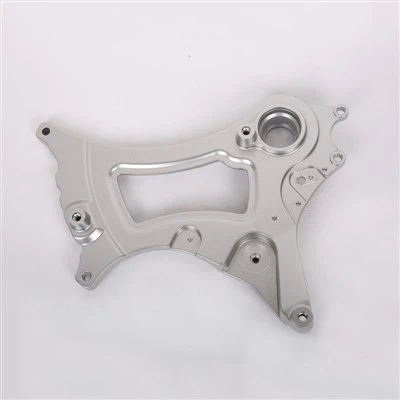
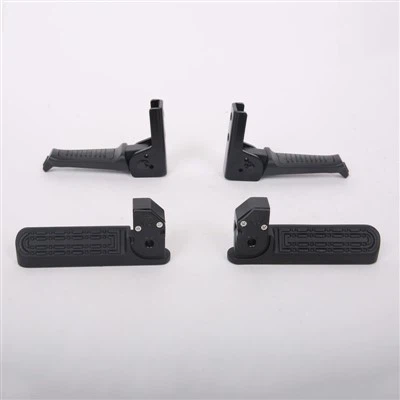
As a seasoned supplier of Motorcycle Connecting Boards, I've witnessed firsthand the diverse range of these crucial components in the motorcycle industry. These boards play a pivotal role in ensuring the smooth operation and structural integrity of motorcycles. In this blog, I'll delve into the different types of motorcycle connecting boards available in the market.

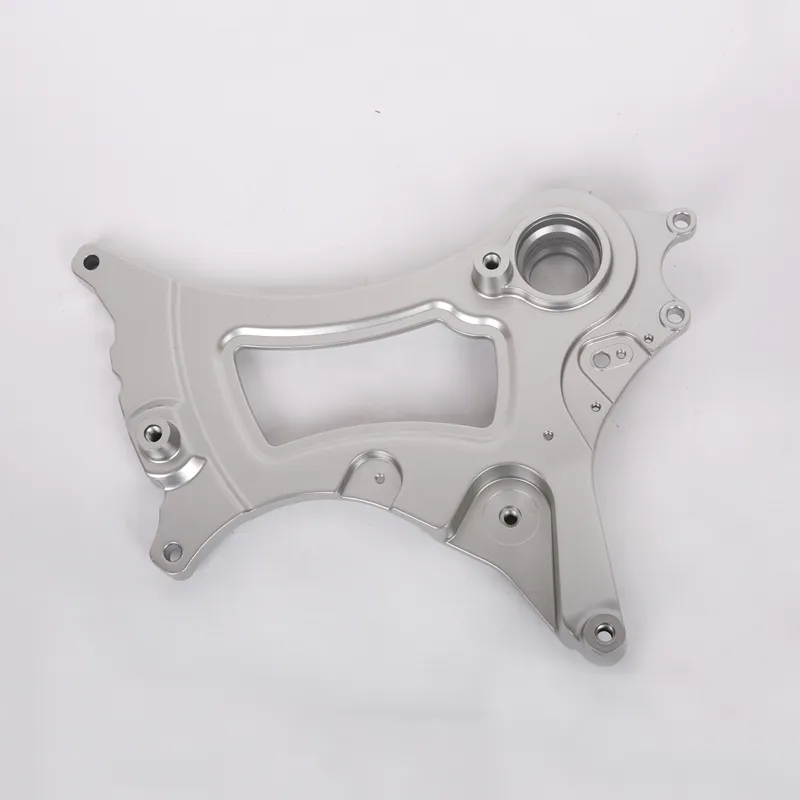
1. Aluminum Alloy Motorcycle Connecting Boards
Aluminum alloy is one of the most popular materials for motorcycle connecting boards. It offers a perfect balance between strength and weight. Aluminum alloy connecting boards are lightweight, which helps in improving the overall performance of the motorcycle by reducing its weight. This, in turn, enhances fuel efficiency and acceleration.
These boards are also highly corrosion - resistant. Motorcycles are often exposed to various environmental conditions, including rain, humidity, and road salts. The corrosion - resistant property of aluminum alloy ensures that the connecting boards maintain their structural integrity over a long period. They are commonly used in both street bikes and off - road motorcycles. For instance, in high - performance street bikes, the reduced weight of aluminum alloy connecting boards allows for better handling at high speeds.
You can find high - quality Motorcycle Connecting Board made of aluminum alloy on our website.
2. Steel Motorcycle Connecting Boards
Steel is a traditional material for motorcycle connecting boards. It is known for its exceptional strength and durability. Steel connecting boards can withstand high levels of stress and load, making them ideal for heavy - duty motorcycles such as cruisers and touring bikes. These types of motorcycles often carry a significant amount of weight, including the rider, passenger, and luggage.
Steel connecting boards are also less likely to deform under extreme conditions. They can handle the vibrations and shocks generated during long - distance rides and rough terrains. However, the main drawback of steel connecting boards is their weight. They are heavier than aluminum alloy boards, which can have a negative impact on the motorcycle's fuel efficiency and acceleration.
3. Composite Motorcycle Connecting Boards
Composite materials are becoming increasingly popular in the motorcycle industry, and connecting boards are no exception. Composite motorcycle connecting boards are typically made by combining different materials, such as carbon fiber and resin. These boards offer several advantages.
Firstly, they are extremely lightweight, even lighter than aluminum alloy boards. This weight reduction can significantly improve the motorcycle's performance, especially in terms of speed and maneuverability. Secondly, composite materials can be engineered to have specific properties. For example, they can be made to be stiffer in certain areas and more flexible in others, depending on the requirements of the motorcycle design.
However, composite connecting boards are more expensive to produce compared to aluminum alloy and steel boards. They also require more specialized manufacturing processes and handling.
4. Die - Cast Motorcycle Connecting Boards
Die - casting is a manufacturing process where molten metal is injected into a mold under high pressure. Die - cast motorcycle connecting boards are commonly made from zinc, magnesium, or aluminum alloys. This process allows for the production of complex shapes with high precision.
Die - cast connecting boards have a smooth surface finish, which not only looks good but also reduces the risk of stress concentrations. They can be produced in large quantities at a relatively low cost, making them a cost - effective option for motorcycle manufacturers. You can explore our Motorcycle Connecting Plate products, many of which are made using the die - casting process.
5. Forged Motorcycle Connecting Boards
Forging is a process where metal is heated and then shaped by applying pressure. Forged motorcycle connecting boards are known for their superior strength and grain structure. The forging process aligns the metal grains in a specific direction, which enhances the board's mechanical properties.
Forged connecting boards are often used in high - performance and racing motorcycles. They can handle the extreme forces and stresses generated during high - speed riding and aggressive maneuvers. However, forging is a more expensive and time - consuming process compared to die - casting, which makes forged connecting boards more costly.
Applications of Different Types of Motorcycle Connecting Boards
- Street Bikes: For street bikes, aluminum alloy and composite connecting boards are popular choices. The lightweight nature of these materials helps in improving the bike's acceleration, handling, and fuel efficiency, which are important factors for urban and highway riding.
- Off - Road Motorcycles: Off - road motorcycles require connecting boards that can withstand rough terrains and shocks. Steel and die - cast connecting boards are commonly used due to their strength and durability.
- Cruisers and Touring Bikes: These heavy - duty motorcycles rely on steel connecting boards to support the additional weight of the rider, passenger, and luggage. The high strength of steel ensures a stable and reliable connection.
Quality and Testing
As a supplier of Motorcycle Connecting Boards, we understand the importance of quality. All our connecting boards undergo rigorous testing to ensure they meet the highest standards. We use advanced testing equipment to check for factors such as strength, durability, and corrosion resistance.
For example, we conduct tensile tests to measure the maximum amount of stress a connecting board can withstand before breaking. We also perform corrosion tests by exposing the boards to simulated environmental conditions for an extended period. Only after passing these tests are our connecting boards approved for sale.
Why Choose Our Motorcycle Connecting Boards
- Wide Range of Options: We offer a comprehensive range of motorcycle connecting boards, including aluminum alloy, steel, composite, die - cast, and forged boards. This allows our customers to choose the type of board that best suits their motorcycle's requirements.
- High - Quality Materials: We source our materials from trusted suppliers and ensure that they meet the strictest quality standards. Our commitment to using high - quality materials ensures the long - term performance and reliability of our connecting boards.
- Customization: We understand that different motorcycles have different needs. That's why we offer customization services. Our team of experts can work with you to design and manufacture a connecting board that is tailored to your specific requirements.
If you're in the market for high - quality motorcycle connecting boards, we invite you to get in touch with us. Whether you're a motorcycle manufacturer, a repair shop, or an individual enthusiast, we have the right solution for you. Our team of professionals is ready to assist you in selecting the most suitable connecting board for your motorcycle and can provide you with detailed information about our products and services. Contact us today to start the procurement process and take your motorcycle's performance to the next level.
References
- "Motorcycle Engineering Handbook" - A comprehensive guide to motorcycle design and components, which provides in - depth information on the different types of connecting boards and their applications.
- Industry reports from leading motorcycle research firms, which offer insights into the latest trends and developments in the motorcycle connecting board market.