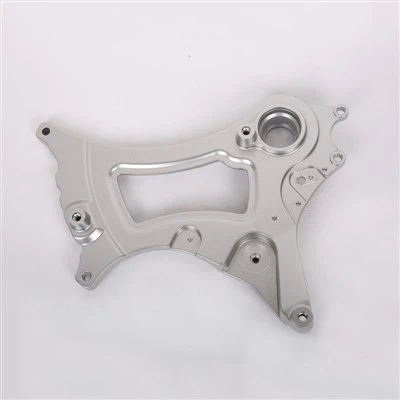
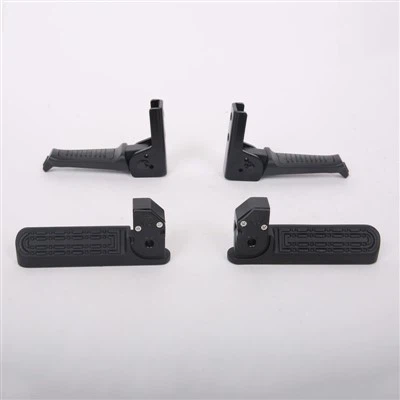
If you’re a connecting plate supplier like me, you know corrosion isn’t just a minor headache—it’s a make-or-break issue for customers. A client last month came back with a batch of motorcycle connecting plates that rusted out after 6 months in a coastal warehouse, and they were this close to switching to a competitor. That’s when I realized: corrosion resistance isn’t just about slapping on a coating. It’s a mix of material picks, manufacturing tweaks, and proactive post-processing that’s tailored to how connecting plates are actually used.
First, let’s get the basics right: what causes a connecting plate to corrode? Most of our connecting plates are die-cast from aluminum alloy, zinc, or steel—materials that aren’t inherently rust-proof. Salt (from roads, coastal areas, or even industrial cleaning chemicals), moisture, and stray electrical current (think motorcycle wiring near the plate) eat away at the surface, creating pits that weaken the plate over time. I’ve seen this firsthand with Motorcycle Connecting Board samples that skipped a key pre-coating step, and they started rusting within 3 months.
Start with the material itself—this is non-negotiable. Not all alloys are equal. For high-moisture or salt-exposed uses (like motorcycle components), I stopped using standard zinc alloy and switched to zinc-aluminum-magnesium (ZAM) alloy. ZAM has tiny magnesium particles that form a protective oxide layer instead of letting rust spread through the grain structure. For steel connecting plates, I only use low-carbon steel with a chromium base—chromium creates a self-healing oxide film (that’s why stainless steel doesn’t rust easily, duh). I once tested a batch of standard steel vs. chromium-plated steel Motorcycle Connecting Plate parts; the chromium ones lasted 2x longer in salt spray tests.
Next, manufacturing process tweaks. Die casting is how we make 90% of our connecting plates, so the die casting steps directly impact corrosion resistance. When we cast, we used to leave small voids (tiny air pockets) in the metal—those are perfect for trapping moisture and salt, which speed up corrosion. Now, we adjust our injection pressure to 15% higher than standard, so the metal fills every nook and cranny in the die. We also slow down the cooling rate slightly to reduce internal stress—stress makes the metal more reactive, like how a bent nail rusts faster than a straight one.
Then, the coating step—this is where most suppliers cut corners. A bad coating is worse than no coating at all, because it can trap moisture under the surface and create crevice corrosion. We tried powder coating for a while, but it chips too easily when plates are bolted down (motorcycle parts vibrate like crazy). Now, we use a 3-step coating process: first, a phosphate conversion coat (etches the metal surface to make the coating stick), then a zinc flake coating (this is a thin layer of zinc particles that acts as a “sacrificial anode”—it corrodes first, not the base metal), and finally a clear top coat with UV inhibitors. Wait, UV inhibitors matter because sunlight breaks down some coatings, especially if the plate is on a motorcycle exposed to the sun. Our zinc flake coating with clear top coat passed 1,000 hours of salt spray testing—way above the industry’s 500-hour minimum.
Post-processing is another area I see suppliers mess up. When we finish machining (drilling holes for bolts), we leave sharp edges and metal shavings. Those shavings are pure metal, no coating, so they rust immediately and spread to the surrounding plate. Now, we use a vibratory tumbler with plastic media to smooth edges and remove shavings before coating—no sharp edges, no exposed metal. We also do a de-greasing step right after machining, because any oil from the machine will prevent the coating from adhering.
Wait, what about specialty use cases? If a customer is using their connecting plate in a super harsh environment—like offshore equipment or off-road motorcycles—we add a hot-dip galvanizing step after coating. Hot-dip galvanizing creates a thick zinc layer that’s even more sacrificial, so it can handle extreme salt and moisture. We worked with a marine parts client last quarter who needed plates for a boat lift; we added the hot-dip step, and their return rate dropped to zero.
I’m not gonna lie, this stuff costs a bit more upfront—maybe 10-15% more per plate than the cut-corner options. But look at it this way: a client that switches to your plates because they don’t rust is a repeat client. That motorcycle client I mentioned earlier? They re-ordered 5,000 connecting plates last week after we fixed their corrosion issues. It’s way better than losing them to a cheaper supplier who’ll cut corners and ghost them when they need support.

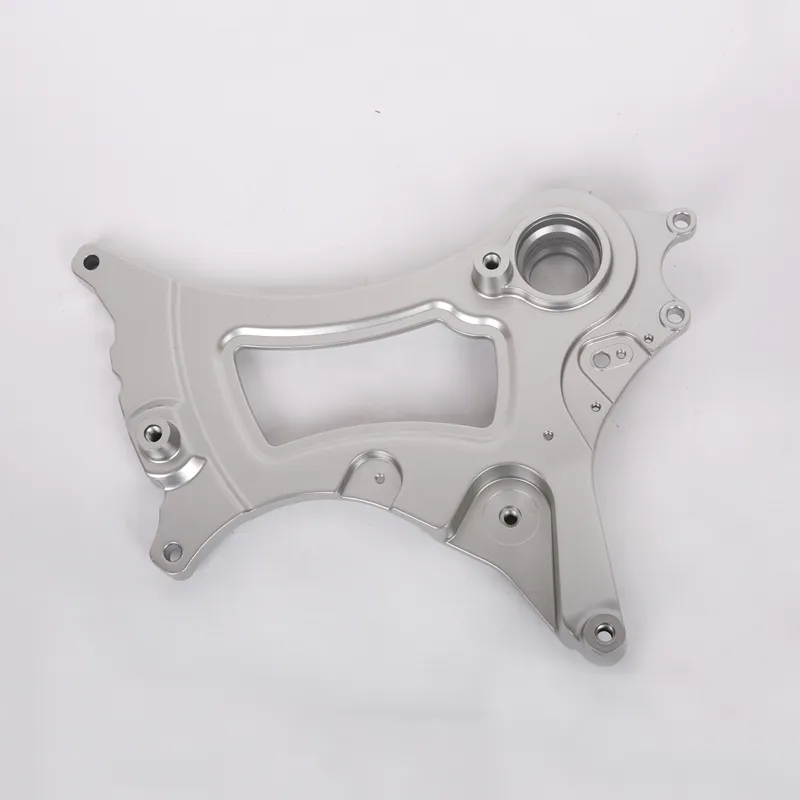
If you’re a connecting plate owner or someone looking to source durable plates, don’t just go for the lowest price. Ask your supplier about their material specs, coating process, and post-processing steps. If you need a reliable supplier that actually tests their plates for corrosion, get in touch with our team—we’ll walk you through the different options, from standard motorcycle connecting boards to heavy-duty marine plates, and make sure you get something that lasts.
References
- ASM International. (2018). Corrosion of Die-Cast Alloys. Materials Park, OH: ASM International.
- NACE International. (2020). Standard Test Method for Salt Spray (Fog) Testing. Houston, TX: NACE International.
- Zinc Association. (2019). Zinc Flake Coatings for Corrosion Protection. Washington, DC: International Zinc Association.