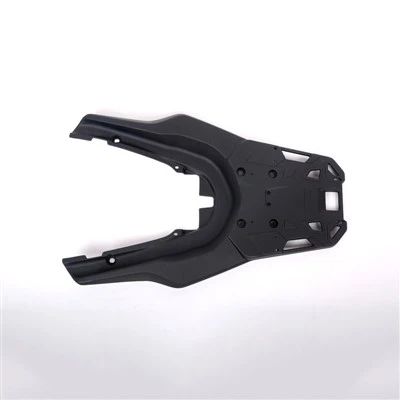
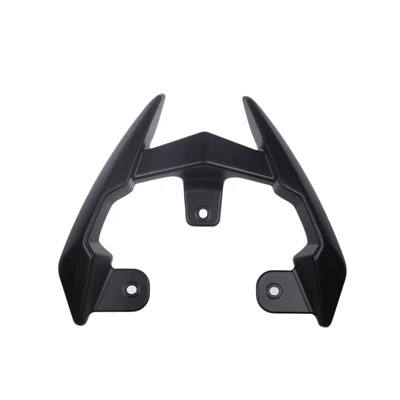
As a supplier of Aluminum Alloy Forgings, I've witnessed firsthand the remarkable properties and behaviors of these materials in various industrial applications. One of the most fascinating aspects of aluminum alloy forgings is their work hardening behavior, which significantly influences their mechanical properties, performance, and suitability for different uses. In this blog post, I'll delve into the concept of work hardening in aluminum alloy forgings, exploring its mechanisms, effects, and practical implications.
Understanding Work Hardening
Work hardening, also known as strain hardening, is a phenomenon that occurs when a metal is subjected to plastic deformation. During plastic deformation, the crystal structure of the metal is disrupted, and dislocations - line defects in the crystal lattice - are generated and move through the material. As the deformation continues, these dislocations interact with each other and with other obstacles in the crystal lattice, such as grain boundaries and precipitates. This interaction hinders the movement of dislocations, making it increasingly difficult to deform the material further. As a result, the strength and hardness of the metal increase, while its ductility decreases.
In the case of aluminum alloy forgings, work hardening plays a crucial role in enhancing their mechanical properties. Forging is a manufacturing process that involves applying compressive forces to shape a metal into a desired form. During forging, the aluminum alloy is subjected to significant plastic deformation, which induces work hardening. This work hardening effect not only increases the strength and hardness of the forgings but also improves their resistance to wear, fatigue, and corrosion.
Mechanisms of Work Hardening in Aluminum Alloy Forgings
The work hardening behavior of aluminum alloy forgings is primarily governed by two main mechanisms: dislocation multiplication and dislocation interaction.
Dislocation Multiplication
When an aluminum alloy is subjected to plastic deformation, dislocations are generated and multiplied within the crystal lattice. The applied stress causes the existing dislocations to move, and as they encounter obstacles such as grain boundaries or other dislocations, they can generate new dislocations through a process called dislocation multiplication. This multiplication of dislocations increases the dislocation density in the material, which in turn leads to an increase in the strength and hardness of the alloy.
Dislocation Interaction
As the dislocation density increases during plastic deformation, the dislocations start to interact with each other. These interactions can take various forms, such as dislocation tangling, where dislocations become entangled and form complex networks, and dislocation pinning, where dislocations are held in place by obstacles in the crystal lattice. These interactions impede the movement of dislocations, making it more difficult for the material to deform further. As a result, the strength and hardness of the aluminum alloy continue to increase with increasing plastic deformation.
Factors Affecting Work Hardening in Aluminum Alloy Forgings
Several factors can influence the work hardening behavior of aluminum alloy forgings, including the alloy composition, the forging process parameters, and the heat treatment conditions.
Alloy Composition
The composition of the aluminum alloy has a significant impact on its work hardening behavior. Different alloying elements can affect the mobility of dislocations, the formation of precipitates, and the grain structure of the alloy, all of which can influence the work hardening process. For example, alloys containing elements such as copper, magnesium, and zinc tend to exhibit higher work hardening rates due to the formation of fine precipitates that can impede dislocation movement.
Forging Process Parameters
The forging process parameters, such as the forging temperature, the strain rate, and the degree of deformation, can also affect the work hardening behavior of aluminum alloy forgings. Generally, lower forging temperatures and higher strain rates tend to promote work hardening, as they increase the dislocation density and the interaction between dislocations. On the other hand, higher forging temperatures can lead to dynamic recovery and recrystallization, which can reduce the work hardening effect.
Heat Treatment Conditions
Heat treatment is often used to modify the microstructure and mechanical properties of aluminum alloy forgings. Different heat treatment processes, such as solution heat treatment, aging, and annealing, can have a significant impact on the work hardening behavior of the forgings. For example, solution heat treatment followed by aging can promote the formation of fine precipitates, which can enhance the work hardening effect and improve the strength and hardness of the alloy.
Practical Implications of Work Hardening in Aluminum Alloy Forgings
The work hardening behavior of aluminum alloy forgings has several practical implications for their use in various industrial applications.
Enhanced Mechanical Properties
Work hardening significantly improves the strength and hardness of aluminum alloy forgings, making them suitable for applications that require high mechanical performance. For example, aluminum alloy forgings are widely used in the aerospace, automotive, and defense industries, where components need to withstand high stresses and loads. The work hardening effect allows these forgings to meet the stringent requirements of these applications, providing excellent mechanical properties and reliability.
Improved Wear and Fatigue Resistance
The increased strength and hardness resulting from work hardening also improve the wear and fatigue resistance of aluminum alloy forgings. In applications where components are subjected to repeated loading and friction, such as in engine parts and transmission components, the work hardening effect helps to prevent wear and fatigue failure, extending the service life of the forgings.
Tailored Material Properties
By controlling the work hardening process through appropriate alloy selection, forging process parameters, and heat treatment conditions, it is possible to tailor the mechanical properties of aluminum alloy forgings to meet the specific requirements of different applications. This flexibility allows manufacturers to optimize the performance of the forgings and achieve the desired balance between strength, hardness, ductility, and other properties.
Conclusion
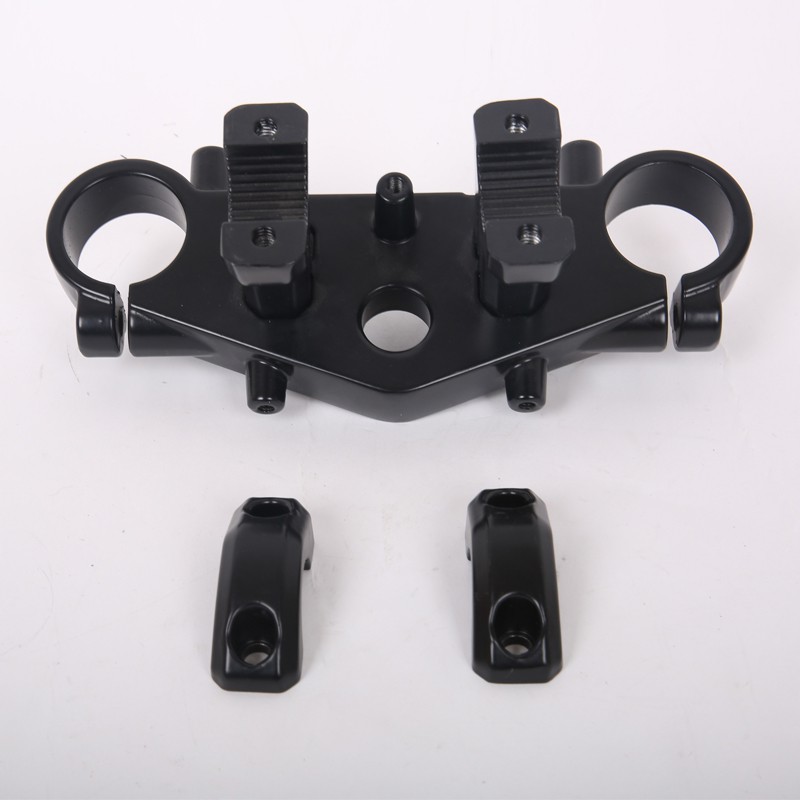
In conclusion, the work hardening behavior of aluminum alloy forgings is a complex and fascinating phenomenon that has a significant impact on their mechanical properties and performance. By understanding the mechanisms of work hardening, the factors that influence it, and its practical implications, we can better utilize aluminum alloy forgings in various industrial applications. As a supplier of Aluminum Alloy Forgings, we are committed to providing high-quality forgings with excellent work hardening properties, tailored to the specific needs of our customers. If you are interested in learning more about our aluminum alloy forgings or have any questions about their work hardening behavior, please feel free to contact us for a consultation. We look forward to discussing your requirements and providing you with the best solutions for your applications.

References
- Courtney, T. H. (2000). Mechanical Behavior of Materials. McGraw-Hill.
- Dieter, G. E. (1986). Mechanical Metallurgy. McGraw-Hill.
- Kalpakjian, S., & Schmid, S. R. (2008). Manufacturing Engineering and Technology. Pearson Prentice Hall.