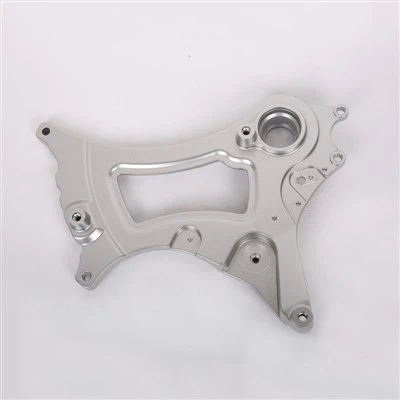
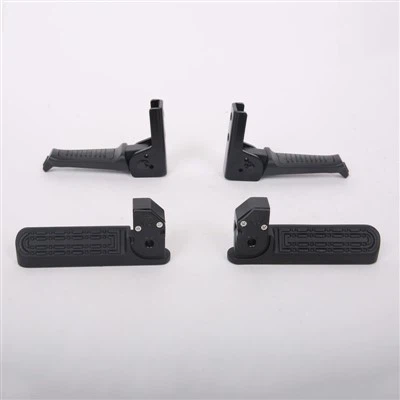
The motorcycle frame is the backbone of the entire vehicle, providing structural support and determining its overall performance and handling characteristics. Among the various components that make up the frame, the motorcycle connecting plate plays a crucial yet often overlooked role. As a leading supplier of Motorcycle Connecting Plate, I have witnessed firsthand the importance of these components in the motorcycle industry. In this blog post, I will delve into the role of a motorcycle connecting plate in the frame structure, exploring its functions, design considerations, and the impact it has on the performance of the motorcycle.
Structural Integrity and Load Distribution
One of the primary functions of a motorcycle connecting plate is to ensure the structural integrity of the frame. The frame of a motorcycle is subjected to a variety of forces during operation, including the weight of the rider, the engine, and other components, as well as the dynamic forces generated by acceleration, braking, and cornering. The connecting plates act as critical junctions between different sections of the frame, transferring these forces evenly and preventing stress concentrations that could lead to structural failure.
For example, in a typical motorcycle frame, the connecting plates are used to join the main frame tubes to the swingarm pivot, the steering head, and other key components. By distributing the loads across these connections, the connecting plates help to maintain the overall rigidity and stability of the frame, ensuring that the motorcycle can withstand the rigors of daily use and high-performance riding.
Alignment and Precision
In addition to providing structural support, motorcycle connecting plates also play a crucial role in maintaining the alignment and precision of the frame. The precise positioning of the various components in the frame is essential for the proper functioning of the motorcycle, including steering, suspension, and drivetrain performance. The connecting plates are designed to have specific mounting points and dimensions, which ensure that the components are correctly aligned and installed in the frame.
For instance, the connecting plates used in the suspension system are designed to provide a precise interface between the frame and the shock absorbers or forks. This ensures that the suspension components can operate smoothly and efficiently, providing optimal ride comfort and handling. Similarly, the connecting plates used in the drivetrain help to align the engine, transmission, and final drive components, ensuring that power is transmitted efficiently from the engine to the wheels.
Design Considerations
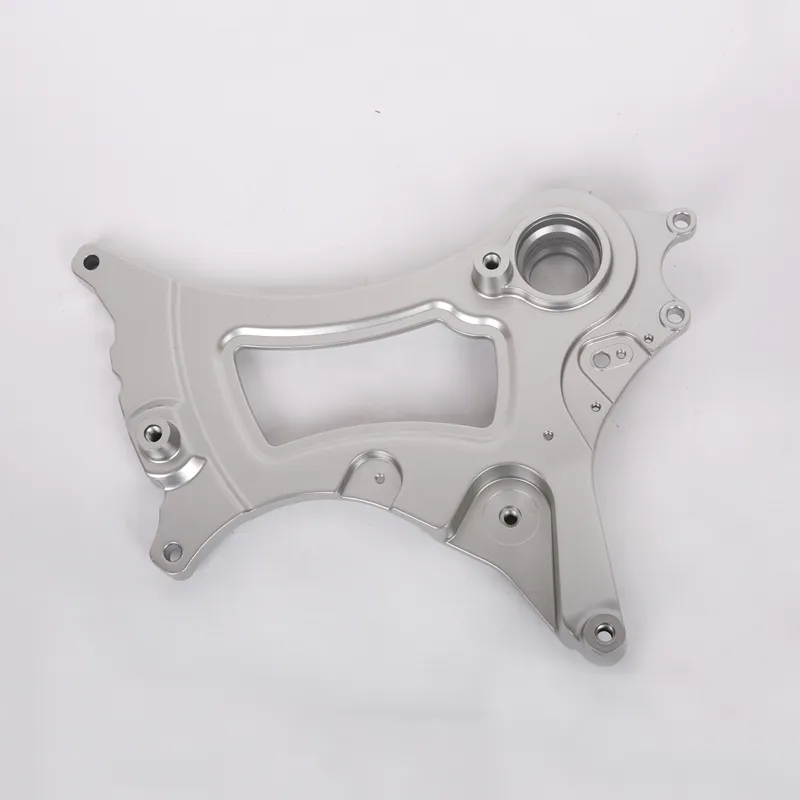
When designing motorcycle connecting plates, several factors need to be taken into consideration to ensure optimal performance and reliability. These include the material selection, the shape and size of the plate, and the manufacturing process.

Material Selection
The choice of material for the connecting plate is crucial, as it directly affects the strength, weight, and durability of the component. Common materials used for motorcycle connecting plates include steel, aluminum, and titanium. Steel is a popular choice due to its high strength and low cost, but it is also relatively heavy. Aluminum, on the other hand, is lightweight and corrosion-resistant, making it a good choice for high-performance motorcycles. Titanium is the most expensive option, but it offers the highest strength-to-weight ratio and excellent corrosion resistance.
Shape and Size
The shape and size of the connecting plate are also important design considerations. The plate needs to be designed to fit the specific requirements of the motorcycle frame and the components it is connecting. It should have sufficient surface area to distribute the loads evenly and provide a secure connection. At the same time, it should be as lightweight as possible to minimize the overall weight of the motorcycle.
Manufacturing Process
The manufacturing process used to produce the connecting plate also has a significant impact on its quality and performance. Die casting is a common manufacturing process used for motorcycle connecting plates, as it allows for the production of complex shapes with high precision and consistency. Other manufacturing processes, such as machining and forging, may also be used depending on the specific requirements of the component.
Impact on Motorcycle Performance
The role of the motorcycle connecting plate in the frame structure has a direct impact on the performance of the motorcycle. A well-designed and properly installed connecting plate can improve the overall handling, stability, and ride comfort of the motorcycle, while a poorly designed or damaged connecting plate can lead to a variety of problems, including handling issues, premature wear of components, and even structural failure.
Handling and Stability
By providing a rigid and stable connection between the various components of the frame, the connecting plates help to improve the handling and stability of the motorcycle. This is particularly important during high-speed riding and cornering, where the frame needs to be able to withstand the lateral forces generated by the motorcycle's movement. A well-designed connecting plate can help to minimize flexing and twisting of the frame, ensuring that the motorcycle remains stable and predictable under all riding conditions.
Ride Comfort
The connecting plates also play a role in the ride comfort of the motorcycle. By providing a precise interface between the frame and the suspension components, the connecting plates help to ensure that the suspension can operate smoothly and efficiently, absorbing the bumps and vibrations from the road surface. This results in a more comfortable and enjoyable riding experience for the rider.
Durability and Reliability
Finally, the quality and reliability of the connecting plates are essential for the long-term durability of the motorcycle. A well-designed and properly manufactured connecting plate can withstand the harsh operating conditions of the motorcycle, including high temperatures, vibrations, and corrosive environments. This helps to ensure that the motorcycle remains reliable and safe to ride for many years to come.
Conclusion
In conclusion, the motorcycle connecting plate plays a vital role in the frame structure of a motorcycle. It provides structural support, maintains alignment and precision, and has a direct impact on the performance, handling, and durability of the motorcycle. As a supplier of Motorcycle Connecting Plate, I understand the importance of these components and strive to provide our customers with high-quality products that meet their specific requirements.
If you are in the market for motorcycle connecting plates or have any questions about our products, please do not hesitate to contact us. We would be happy to discuss your needs and provide you with a customized solution. Whether you are a motorcycle manufacturer, a racing team, or an individual enthusiast, we have the expertise and experience to help you find the right connecting plates for your motorcycle.
References
- "Motorcycle Engineering" by Vittore Cossalter
- "The Science of Motorcycles" by David Crolla
- Various industry publications and technical resources