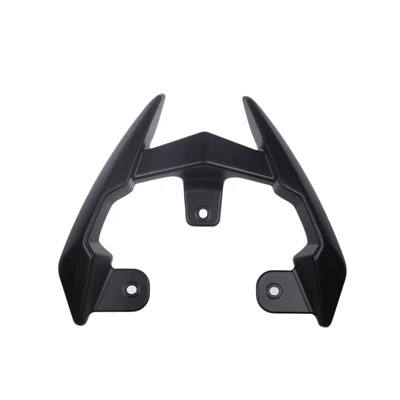
Hey there, fellow motorcycle enthusiasts! As a supplier of Motorcycle Rear Tail Racks, I've seen firsthand how a well - installed tail rack can transform your riding experience. Whether you're a daily commuter looking to carry some essentials or an adventure rider planning long - distance trips, a Motorcycle Rear Tail Rack is a game - changer. In this blog, I'm gonna share some top - notch installation tips to make sure you get the most out of your rack.
1. Choose the Right Rack
First things first, you need to pick the right Motorcycle Rear Tail Rack for your bike. There are tons of options out there, but not all of them will fit your motorcycle perfectly. Consider the make, model, and year of your bike. Some racks are universal, which means they can fit a wide range of motorcycles, while others are specifically designed for certain models.


For example, if you have a sportbike, you might want a sleek and lightweight rack that doesn't add too much bulk. On the other hand, if you ride a touring bike, you'll need a more robust and spacious rack to carry all your gear. You can check out our Motorcycle Rear Tail Rack collection to find the one that suits your needs. We've got a variety of styles and sizes, made from high - quality materials like aluminum alloy. Our Aluminum Alloy Motorcycle Luggage Rack is not only durable but also lightweight, making it a great choice for long rides.
2. Gather Your Tools
Once you've got the right rack, it's time to gather your tools. You don't need a whole workshop full of equipment, but having the right tools will make the installation process a breeze. Here's a basic list of tools you'll probably need:
- Socket wrenches: Different sizes to fit the bolts on your rack and bike.
- Screwdrivers: Both flat - head and Phillips - head, depending on the type of screws used.
- Pliers: To hold small parts in place and tighten nuts.
- Torque wrench: This is super important to ensure you tighten the bolts to the correct torque. Over - tightening can damage your bike or the rack, while under - tightening can cause the rack to come loose while you're riding.
3. Prepare Your Bike
Before you start installing the rack, you need to prepare your bike. Park your motorcycle on a level surface and make sure it's stable. If your bike has a center stand, use it. If not, you can use a paddock stand to keep the bike upright.
Next, clean the area where you'll be installing the rack. Remove any dirt, grime, or debris. This will help the rack sit flush against the bike and prevent any corrosion. You might also want to protect the paint on your bike. You can use masking tape or a soft cloth to cover the areas around the installation points.
4. Follow the Instructions
Every Motorcycle Rear Tail Rack comes with an installation manual. And I can't stress this enough: read the instructions carefully! The manual will have detailed steps on how to install the rack, including torque specifications and any special considerations for your particular bike.
Don't skip any steps or try to improvise. Following the instructions will ensure that the rack is installed correctly and safely. If you have any questions or if something doesn't seem right, don't hesitate to contact us. We're here to help you out.
5. Install the Mounting Brackets
Most Motorcycle Rear Tail Racks come with mounting brackets that need to be attached to your bike first. These brackets are usually made of metal and are designed to fit specific parts of your motorcycle, like the frame or the seat rails.
Start by aligning the brackets with the installation points on your bike. Use the bolts and washers provided in the kit to secure the brackets. Make sure the brackets are level and straight. You can use a spirit level to check. Once the brackets are in place, tighten the bolts using a torque wrench to the specified torque.
6. Attach the Rack to the Brackets
After the mounting brackets are installed, it's time to attach the rack to the brackets. This is usually a straightforward process. Line up the holes in the rack with the holes in the brackets and insert the bolts. Again, use a torque wrench to tighten the bolts to the correct torque.
Make sure the rack is firmly attached and doesn't wobble. Give it a little shake to check for any movement. If the rack is loose, double - check the bolts and tighten them if necessary.
7. Check for Clearance
Once the rack is installed, you need to check for clearance. Make sure the rack doesn't interfere with any moving parts of your bike, like the rear wheel, the exhaust, or the suspension. You also need to make sure there's enough clearance for your seat to open and close if your bike has a storage compartment under the seat.
If you notice any clearance issues, you might need to adjust the position of the rack or the mounting brackets. This might take a little trial and error, but it's important to get it right to avoid any problems while you're riding.
8. Test the Rack
Before you hit the road, it's a good idea to test the rack. Load it up with some light items, like a backpack or a small duffel bag. Make sure the weight is evenly distributed on the rack. Then, take your bike for a short ride around the block. Pay attention to how the bike handles and if there are any strange noises or vibrations.
If everything seems okay, you're good to go. But if you notice any problems, like the rack coming loose or the bike handling differently, stop riding immediately and check the installation.
9. Maintain Your Rack
Once your Motorcycle Rear Tail Rack is installed and tested, you need to maintain it. Regularly check the bolts and nuts to make sure they're tight. Over time, vibrations from riding can cause the bolts to loosen. You should also clean the rack regularly to prevent corrosion. Use a mild soap and water to clean the rack, and dry it thoroughly.
If you notice any damage to the rack, like cracks or bent parts, replace it immediately. A damaged rack can be dangerous and can cause problems while you're riding.
10. Consider Accessories
Finally, you might want to consider adding some accessories to your Motorcycle Rear Tail Rack. There are all sorts of accessories available, like cargo nets, tie - down straps, and luggage bags. These accessories can help you carry your gear more securely and efficiently.
Our Motorcycle Rear Luggage Rack is compatible with a wide range of accessories. You can choose the ones that suit your needs and riding style.
Well, there you have it! These are my top installation tips for a Motorcycle Rear Tail Rack. I hope this blog has been helpful to you. If you're interested in purchasing a Motorcycle Rear Tail Rack or have any questions about installation or maintenance, don't hesitate to reach out to us. We're a leading supplier of high - quality motorcycle accessories, and we're committed to providing you with the best products and service. Let's get you on the road with a reliable and functional rear tail rack!
References:
- Motorcycle Rear Tail Rack Installation Manuals
- General Knowledge of Motorcycle Accessories and Installation