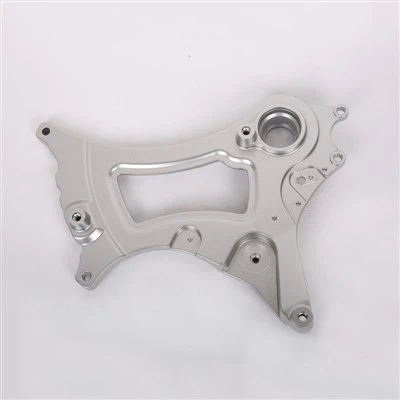
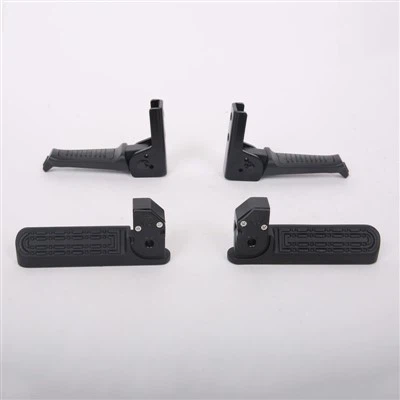
Hey there! As a supplier of Aluminium Die Casting Molds, I know how crucial it is to store these molds properly. It's not just about keeping them in a corner and forgetting about them. Proper storage can significantly extend the lifespan of the molds, ensure their performance, and save you a ton of money in the long run. So, let's dive into how to store Aluminium Die Casting Molds like a pro.


1. Clean the Molds Thoroughly Before Storage
First things first, you gotta clean those molds. After each use, there's bound to be some residue left on the surface of the Aluminum Die Casting Molds. This residue can be a mix of aluminum alloy, lubricants, and other contaminants. If you don't clean it off, it can cause corrosion over time, which will damage the mold.
To clean the molds, you can use a mild detergent and warm water. A soft brush can help you get into all the nooks and crannies. Make sure to dry the molds completely after cleaning. Any moisture left on the surface can lead to rust and other issues. You can use a clean, dry cloth to wipe them down or let them air - dry in a well - ventilated area.
2. Choose the Right Storage Location
The location where you store your Aluminium Die Casting Molds matters a great deal. You want to find a place that's dry, cool, and clean. Humidity is the enemy of these molds. High humidity can cause corrosion, especially on the exposed metal parts.
A storage room with a controlled environment is ideal. You can use a dehumidifier to keep the humidity levels in check. Aim for a relative humidity of around 30 - 50%. Also, the temperature should be stable. Avoid places where the temperature fluctuates a lot, as this can cause expansion and contraction of the mold material, leading to cracks and other damages.
The storage area should also be clean. Dust and debris can scratch the mold surface, affecting its performance. Make sure the area is regularly swept and mopped to keep it free from contaminants.
3. Protect the Molds from Physical Damage
Physical damage can occur easily if the molds are not stored properly. You don't want them to be knocked around or stacked in a way that causes stress on the mold structure.
One way to protect them is to use custom - made storage racks. These racks can be designed to hold the molds securely in place. You can use foam padding or rubber inserts on the racks to prevent scratches and dents.
If you need to stack the molds, make sure to do it carefully. Place a soft, non - abrasive material between each mold to cushion them. And don't stack them too high, as the weight on the bottom molds can cause deformation.
4. Apply a Protective Coating
Applying a protective coating to the Aluminium Die Casting Molds can add an extra layer of defense against corrosion and other damages. There are various types of coatings available, such as anti - rust sprays and lubricating oils.
Anti - rust sprays create a thin film on the mold surface that prevents moisture and oxygen from reaching the metal. This helps to prevent rust and corrosion. Lubricating oils not only protect the mold but also keep the moving parts (if any) in good working condition.
Before applying the coating, make sure the mold is clean and dry. Follow the manufacturer's instructions on how to apply the coating. Usually, you just need to spray or brush it on evenly.
5. Label and Organize the Molds
It's a good idea to label each Aluminium Die Casting Mold clearly. You can use a permanent marker or a label maker to write down important information such as the mold name, part number, and date of manufacture. This makes it easier to find the mold you need when you're ready to use it again.
Organize the molds in a logical way. You can group them by size, type, or the parts they're used to produce. For example, you can have a section for Pressure Die Casting Mould, another for Aluminium Die Casting Mold, and yet another for Motorcycle Parts Die Casting Mold.
6. Regularly Inspect the Stored Molds
Even when the molds are in storage, you should check them regularly. Inspect them for any signs of damage, such as cracks, rust, or deformation. If you notice any issues, address them immediately.
A visual inspection can be done every few months. You can also use measuring tools to check the dimensions of the mold to make sure they're still within the acceptable range. If you find any problems, you might need to repair or replace the mold.
7. Keep Records of Storage and Maintenance
Maintaining records of how the molds are stored and maintained is essential. You can create a log where you note down details such as the date of storage, cleaning procedures, coating applications, and inspection results.
These records can help you track the history of each mold. If there are any recurring problems, you can analyze the records to find out what's going wrong. It also provides valuable information for future reference, especially when it comes to mold replacement or upgrades.
Why Proper Storage is So Important
Proper storage of Aluminium Die Casting Molds has several benefits. Firstly, it saves you money. By extending the lifespan of the molds, you don't have to replace them as often. Molds can be quite expensive to manufacture, so this is a significant cost - saving measure.
Secondly, it ensures the quality of the parts produced. A well - stored mold will produce parts with consistent dimensions and quality. This is crucial for industries where precision is key, such as the automotive and aerospace industries.
Finally, it improves efficiency. When the molds are stored properly and in an organized manner, you can quickly find the one you need when it's time to start production. This reduces downtime and keeps your production line running smoothly.
Wrapping Up
Storing Aluminium Die Casting Molds properly is not a complicated task, but it does require attention to detail. By following these steps - cleaning the molds, choosing the right storage location, protecting them from physical damage, applying a protective coating, labeling and organizing, regular inspections, and keeping records - you can ensure that your molds stay in top - notch condition for a long time.
If you're in the market for high - quality Aluminium Die Casting Molds or have any questions about mold storage and maintenance, don't hesitate to reach out. We're here to help you make the most of your investment in these essential tools. Contact us to start a procurement discussion and find the perfect molds for your needs.
References
- "Die Casting Handbook" by Altan, Tekkaya, and Ngaile
- Industry research papers on die casting mold maintenance and storage.