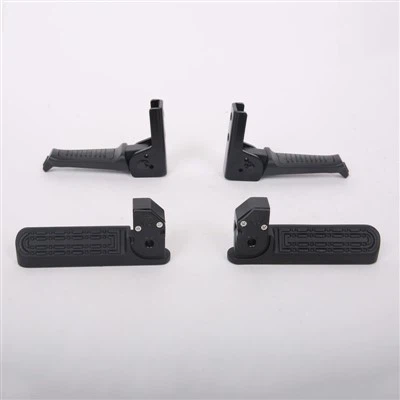
Hey there, fellow motorcycle enthusiasts! As a supplier of Motorcycle Connecting Plates, I've spent a ton of time diving into how the shape of these crucial components can really make or break a bike's performance. So, let's dig into it and see what's what.
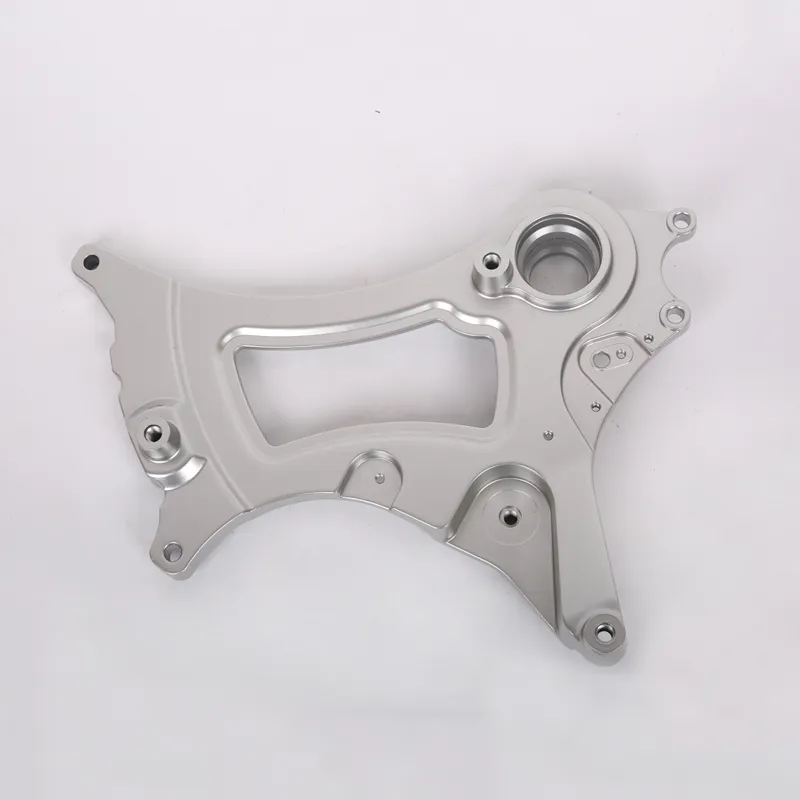
First off, what exactly is a motorcycle connecting plate? Well, it's a key part that links different sections of a motorcycle together. Think of it as the glue that holds everything in place and allows for smooth operation. You can check out more about Motorcycle Connecting Plate on our website.
The Basics of Shape and Performance
The shape of a motorcycle connecting plate isn't just for looks. It has a direct impact on how the bike handles, its stability, and even its speed. Let's start with the most obvious aspect: weight. A well - designed shape can reduce the overall weight of the connecting plate. Lighter parts mean less mass for the engine to move, which in turn can improve acceleration. For example, if a plate is shaped in a way that it uses less material without sacrificing strength, it can shave off a few grams. And in the world of motorcycles, every gram counts.
Another factor is aerodynamics. The shape of the connecting plate can influence how air flows around the bike. A streamlined shape allows air to pass over and around the plate more smoothly. This reduces drag, which is the force that opposes the motion of the motorcycle. Less drag means the bike can move through the air more easily, leading to better fuel efficiency and higher top speeds. Imagine a motorcycle racing at high speeds; a poorly shaped connecting plate could create turbulence, slowing the bike down. On the other hand, a plate with an aerodynamic shape can help the bike cut through the air like a knife.
Different Shapes and Their Effects
Rectangular Shapes
Rectangular connecting plates are quite common. They're relatively simple to manufacture, which makes them cost - effective. In terms of performance, they offer good stability. The straight edges and right angles provide a solid connection between different parts of the motorcycle. However, they might not be the best when it comes to aerodynamics. The sharp corners can create areas of high pressure and turbulence as air hits them. This can increase drag and reduce the bike's efficiency. But for everyday street bikes where speed isn't the top priority, a rectangular connecting plate can do the job just fine.
Curved Shapes
Curved connecting plates are a bit more advanced. They're designed to follow the natural flow of air around the motorcycle. The smooth curves help to guide the air over and around the plate, minimizing drag. This makes them ideal for high - performance bikes, especially those used in racing. The curved shape also distributes stress more evenly across the plate. When the motorcycle is in motion, there are various forces acting on the connecting plate. A curved design can better handle these forces, reducing the risk of fatigue and failure. But the downside is that they're more difficult and expensive to manufacture compared to rectangular plates.
Triangular Shapes
Triangular connecting plates offer a unique combination of strength and lightness. The triangular shape is inherently stable, as it distributes forces evenly across its three sides. This makes them great for applications where the connecting plate needs to withstand high levels of stress, such as in off - road motorcycles. When a bike is going over rough terrain, the connecting plate has to endure a lot of shocks and vibrations. A triangular plate can handle these forces better than some other shapes. However, like curved plates, they can be a bit tricky to manufacture, and their shape might not be as aerodynamic as some other designs.
Material and Shape Interaction
The shape of the connecting plate also interacts with the material it's made from. For example, if we're using a lightweight alloy, a more complex shape can be achieved without adding too much weight. These alloys can be molded into curved or triangular shapes more easily compared to heavier metals. On the other hand, if we're using a traditional steel material, a simpler rectangular shape might be more practical. Steel is strong but heavy, and a complex shape could add unnecessary weight.
The material's properties also affect how the shape performs. A material with high strength - to - weight ratio can allow for a thinner and lighter connecting plate, even with a more complex shape. This means that the shape can be optimized for aerodynamics or stress distribution without sacrificing the plate's integrity.
Real - World Performance Testing
At our company, we don't just rely on theory. We conduct real - world performance testing on our Motorcycle Connecting Board. We take different shaped connecting plates and install them on test motorcycles. Then, we run a series of tests on different types of tracks, from straight - line speed tracks to winding race circuits.
We measure various performance metrics, such as acceleration, top speed, fuel consumption, and handling. The results are quite revealing. We've found that bikes with aerodynamically shaped connecting plates consistently perform better in terms of speed and fuel efficiency. And bikes with plates designed for stress distribution can handle rough terrain and high - speed maneuvers more effectively.
Custom Shapes for Specific Needs
One of the great things about being a motorcycle connecting plate supplier is that we can offer custom - shaped plates. Every motorcycle is different, and different riders have different needs. Some riders might prioritize speed, while others might need more stability or durability. That's where custom shapes come in.
We work closely with our customers to understand their requirements. If a customer is building a high - performance racing bike, we can design a connecting plate with a shape that maximizes aerodynamics and minimizes weight. For a cruiser bike that's more about comfort and long - distance riding, we can create a plate that offers good stability and a smooth ride.
Conclusion
So, as you can see, the shape of a motorcycle connecting plate has a huge impact on its performance. From weight and aerodynamics to stress distribution and handling, every aspect of the shape matters. Whether it's a simple rectangular plate for an everyday bike or a custom - designed curved plate for a high - end racing machine, the right shape can make all the difference.
If you're in the market for a motorcycle connecting plate, or if you have specific requirements for a custom - shaped plate, don't hesitate to reach out. We're here to help you get the best - performing connecting plate for your motorcycle. Let's work together to take your bike's performance to the next level.

References
- Motorcycle Engineering Handbook
- Journal of Motorcycle Performance Research
- Advanced Materials in Motorcycle Manufacturing