When it comes to off - road motorcycles, riders often focus on aspects like engine performance, suspension, and tire grip. However, one accessory that might not always be at the forefront of their minds is the motorcycle rear handrail. As a supplier of Motorcycle Rear Handrail, I've encountered numerous inquiries about whether a motorcycle rear handrail can be used on an off - road motorcycle. In this blog, we'll explore this topic in depth.
Understanding the Function of a Motorcycle Rear Handrail
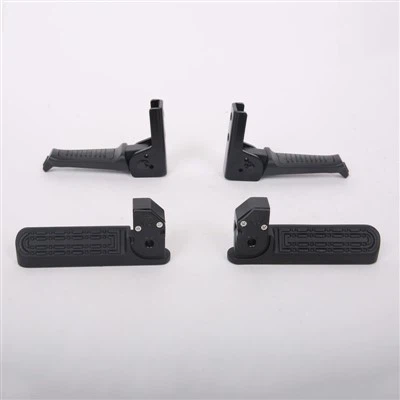
Before delving into its suitability for off - road use, let's first understand what a motorcycle rear handrail is and what it's designed to do. A motorcycle rear handrail, also known as a Motorcycle Rear Grab Handle, is typically installed at the rear of the motorcycle. Its primary functions include providing a secure grip for a passenger, assisting in maneuvering the motorcycle when it's stationary (such as when pushing it in and out of a parking space), and in some cases, adding an extra layer of protection to the rear of the bike.
The Demands of Off - Road Riding
Off - road riding is a high - intensity and challenging activity. It exposes the motorcycle to a variety of rough terrains, including rocky paths, muddy trails, and steep slopes. The bike and its components are subjected to extreme vibrations, impacts, and sudden changes in direction. Riders need their motorcycles to be lightweight, agile, and highly maneuverable to navigate these conditions safely.
Advantages of Using a Rear Handrail on an Off - Road Motorcycle
Passenger Safety
If you plan to take a passenger on your off - road adventures, a rear handrail is invaluable. It gives the passenger a stable point of contact, allowing them to hold on firmly as the motorcycle bounces and jolts over uneven ground. This can significantly enhance the passenger's safety and comfort, reducing the risk of them being thrown off the bike.
Maneuvering Assistance
In off - road situations, there are often times when you need to move the motorcycle manually. For example, if you get stuck in mud or need to turn the bike around on a narrow trail, a rear handrail can make it much easier to grip and manipulate the motorcycle. It provides a convenient handle for you to pull or push the bike in the desired direction.


Protection
A well - designed rear handrail can act as a buffer in case of a rear - end collision or if the bike tips over. It can absorb some of the impact, protecting the rear of the motorcycle, including the fender, taillight, and other delicate components.
Disadvantages of Using a Rear Handrail on an Off - Road Motorcycle
Added Weight
One of the main drawbacks of adding a rear handrail to an off - road motorcycle is the additional weight. Off - road bikes are typically designed to be as light as possible to improve their agility and performance. The extra weight of a handrail can slow down the bike, make it more difficult to handle, and reduce its overall fuel efficiency.
Interference with Maneuverability
In tight off - road situations, a rear handrail can sometimes get in the way. It may catch on branches, rocks, or other obstacles, potentially causing the bike to lose balance or even tip over. This can be a significant concern, especially when riding at high speeds or on technical trails.
Durability Concerns
The harsh conditions of off - road riding can take a toll on the rear handrail. It may be subjected to constant impacts, vibrations, and exposure to dirt, mud, and water. If the handrail is not made of high - quality materials and is not properly designed, it may break or become loose over time, posing a safety risk.
Choosing the Right Rear Handrail for Off - Road Use
If you decide that a rear handrail is suitable for your off - road motorcycle, it's crucial to choose the right one. Here are some factors to consider:
Material
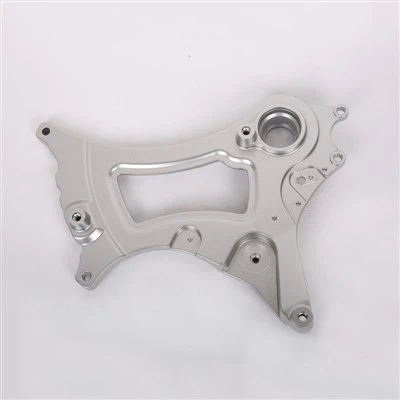
Opt for a handrail made of lightweight yet durable materials. Aluminum Rear Armrest is an excellent choice as it offers a good balance between strength and weight. Aluminum is corrosion - resistant, which is essential for off - road use where the handrail will be exposed to moisture and dirt.
Design
Look for a handrail with a sleek and compact design. Avoid handrails that have protruding parts or sharp edges that could get caught on obstacles. A well - contoured design will also provide a comfortable grip for the passenger.
Installation
Ensure that the handrail is easy to install and remove. This is useful if you want to take it off when you're riding solo or when you need to reduce the weight of the bike for a particularly challenging trail.
Conclusion
In conclusion, a motorcycle rear handrail can be used on an off - road motorcycle, but it has its pros and cons. It offers benefits such as passenger safety, maneuvering assistance, and protection, but it also adds weight and may interfere with the bike's maneuverability. Whether or not to use a rear handrail ultimately depends on your specific riding needs and preferences.
If you're considering adding a rear handrail to your off - road motorcycle, I encourage you to explore our range of Motorcycle Rear Handrail products. We offer high - quality, well - designed handrails that are suitable for a variety of off - road applications. If you have any questions or would like to discuss your requirements further, please feel free to contact us for a procurement discussion.
References
- Motorcycle Off - Road Riding Manuals
- Industry Reports on Motorcycle Accessories
- Interviews with Professional Off - Road Riders