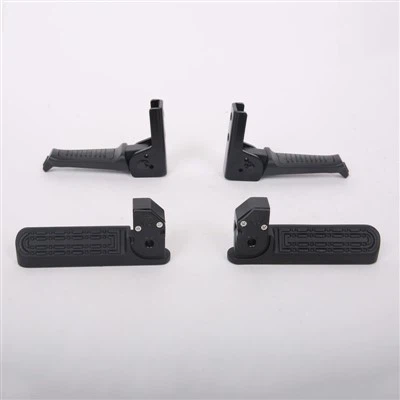
Determining whether a motorcycle pedal is compatible with your bike is crucial for both performance and safety. As a motorcycle pedal supplier, I've encountered numerous customers with questions about compatibility. In this blog post, I'll share some key factors to consider when assessing pedal compatibility, ensuring you make an informed decision for your ride.
1. Motorcycle Make and Model
The first and most fundamental aspect to check is the make and model of your motorcycle. Different motorcycle manufacturers design their bikes with unique specifications, and pedals are no exception. Each brand and model may have specific requirements for pedal mounting points, dimensions, and overall design.
For instance, a Harley - Davidson motorcycle has a distinct frame and mounting system compared to a Yamaha or a Honda. Harley - Davidson often features a more classic and robust design, while Japanese brands like Yamaha and Honda may have more streamlined and modern mounting configurations.
To find out if a pedal is suitable for your bike, you can refer to your motorcycle's owner's manual. The manual usually contains detailed information about compatible accessories, including pedals. Additionally, you can visit the manufacturer's official website, where they often provide a list of approved parts for each model.
2. Mounting System
The mounting system of the motorcycle pedal is another critical factor. There are several types of mounting systems, and they need to match the mounting points on your bike.
- Bolt - on Mounts: Many motorcycle pedals use a bolt - on mounting system. These pedals come with pre - drilled holes that align with the corresponding holes on the motorcycle's frame or footrest brackets. It's essential to ensure that the number, size, and spacing of the bolt holes on the pedal match those on your bike. If the holes don't align, you won't be able to install the pedal properly, and it may pose a safety risk.
- Clamp - on Mounts: Some pedals feature a clamp - on design, which allows for easy installation without the need for drilling. These clamps are designed to fit around a specific diameter of the footrest bar or frame member. You need to measure the diameter of the mounting point on your bike and compare it with the specifications of the pedal's clamp. If the clamp is too small or too large, it won't provide a secure fit.
3. Pedal Dimensions
The dimensions of the motorcycle pedal can also affect compatibility. A pedal that is too large or too small may not fit properly on your bike or may interfere with other components.
- Length and Width: The length and width of the pedal should be appropriate for your motorcycle. A pedal that is too wide may hit the ground during sharp turns, while a pedal that is too short may not provide enough support for your feet. Consider the size of your feet and the riding position you prefer when evaluating pedal dimensions.
- Height: The height of the pedal from the mounting point can also impact compatibility. A pedal that is too high may cause your legs to be in an uncomfortable position, while a pedal that is too low may scrape the ground. Make sure the pedal's height is consistent with the design of your motorcycle and your riding style.
4. Compatibility with Riding Style
Your riding style can also influence the choice of motorcycle pedals. Different riding styles require different pedal features.
- Cruising: If you're a cruiser rider, you may prefer pedals with a wide and comfortable surface area. Cruising often involves long - distance rides, so pedals that provide good support for your feet can reduce fatigue. Aluminum Motorcycle Footrest are a popular choice for cruiser riders due to their durability and comfort.
- Sport Riding: Sport riders, on the other hand, need pedals that offer good grip and control. They often make quick and aggressive maneuvers, so pedals with a non - slip surface and a compact design are ideal. Some sport - oriented pedals also feature adjustable positions to allow riders to fine - tune their riding position for maximum performance.
- Off - Road Riding: Off - road riders require pedals that can withstand rough terrain and provide excellent traction. Pedals with a rugged construction and large, aggressive treads are suitable for off - road use. Electric Scooter Foot Pegs can sometimes be adapted for off - road electric motorcycles, offering a combination of durability and functionality.
5. Compatibility with Other Accessories
It's also important to consider how the motorcycle pedal will interact with other accessories on your bike. For example, if you have aftermarket exhaust pipes or saddlebags, a pedal that is too large or has an unusual shape may interfere with these components.


Before purchasing a pedal, take a look at the existing accessories on your bike and visualize how the new pedal will fit. If possible, consult with a professional mechanic or an experienced rider who can provide insights on potential compatibility issues.
6. Material and Build Quality
The material and build quality of the motorcycle pedal can indirectly affect compatibility. A poorly made pedal may not fit properly or may not last long, even if it appears to be compatible on paper.
- Aluminum: Aluminum pedals are lightweight, corrosion - resistant, and offer a good balance of strength and durability. They are suitable for a wide range of motorcycle models and riding styles. Aluminum Motorcycle Footrest are often a popular choice due to their high - quality construction.
- Steel: Steel pedals are heavier but extremely strong. They are a good option for heavy - duty motorcycles or riders who need a pedal that can withstand a lot of abuse. However, steel pedals may be more prone to rust if not properly coated.
- Plastic: Plastic pedals are lightweight and inexpensive, but they may not be as durable as metal pedals. They are often used on entry - level motorcycles or for riders on a budget.
7. Checking Compatibility with Electric Bikes and Scooters
If you're dealing with an electric bike or scooter, the compatibility rules are similar but may have some unique considerations.
- Power and Weight: Electric bikes and scooters have different power and weight characteristics compared to traditional motorcycles. The pedal needs to be able to support the weight of the rider and any additional cargo without compromising the performance of the vehicle. Electric Bike Foot Pegs are specifically designed to meet the requirements of electric bikes, taking into account factors such as battery placement and motor power.
- Electrical Compatibility: Some electric bikes and scooters may have electrical components in the footrest area, such as sensors or wiring. You need to ensure that the pedal installation doesn't interfere with these electrical systems.
In conclusion, determining the compatibility of a motorcycle pedal with your bike requires careful consideration of multiple factors. By paying attention to the make and model of your motorcycle, the mounting system, pedal dimensions, riding style, compatibility with other accessories, material and build quality, and any unique requirements of electric bikes or scooters, you can make an informed decision.
If you're still unsure about which pedal is right for your bike, our team of experts is here to help. We have a wide range of motorcycle pedals, including Aluminum Motorcycle Footrest, Electric Scooter Foot Pegs, and Electric Bike Foot Pegs. Contact us for more information and to discuss your specific needs. We're committed to providing you with the best - fitting and highest - quality pedals for your ride.
References
- Motorcycle Owner's Manuals
- Motorcycle Manufacturer Websites
- Industry Publications on Motorcycle Accessories