As a seasoned die casting mould supplier, I often encounter inquiries from clients regarding the appropriate use of cold chamber die casting moulds. This blog aims to shed light on the circumstances under which cold chamber die casting moulds are the optimal choice, providing valuable insights for those involved in the manufacturing industry.
Understanding Cold Chamber Die Casting
Before delving into when to use a cold chamber die casting mould, it's essential to understand the process itself. Cold chamber die casting is a manufacturing process used to produce high - quality metal parts with precision and efficiency. In this process, molten metal is ladled into a cold chamber and then injected into the die cavity under high pressure. This method is particularly suitable for metals with high melting points, such as aluminum, copper, and magnesium.
High - Melting - Point Metals
One of the primary scenarios where cold chamber die casting moulds shine is when dealing with high - melting - point metals. Metals like aluminum and copper have melting points that are too high for hot chamber die casting. In hot chamber die casting, the injection system is constantly in contact with the molten metal. If high - melting - point metals were used in a hot chamber, they would quickly erode the injection components, leading to frequent maintenance and replacement.
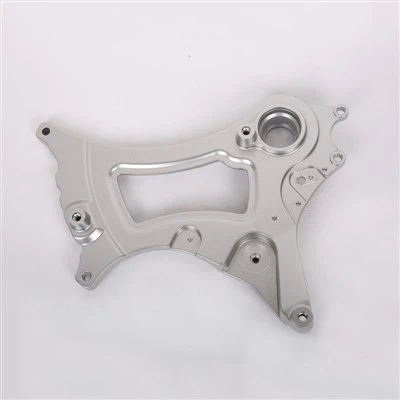
For example, Aluminum Alloy Die-casting Mold is often used in cold chamber die casting. Aluminum alloys are widely used in various industries due to their excellent strength - to - weight ratio, corrosion resistance, and thermal conductivity. Cold chamber die casting allows for the production of complex aluminum parts with tight tolerances, making it ideal for applications in the automotive, aerospace, and electronics industries.
Large - Scale and Heavy - Walled Parts
Cold chamber die casting is also well - suited for producing large - scale and heavy - walled parts. The high - pressure injection system in cold chamber die casting can fill large die cavities effectively, ensuring uniform density and high - quality parts. When manufacturing large parts, the ability to control the filling process is crucial to avoid defects such as porosity and shrinkage.
For instance, Aluminium Die Casting Mold can be used to create large aluminum components for industrial machinery. These parts often require high strength and durability, and cold chamber die casting can meet these requirements by providing a consistent and reliable manufacturing process.
Complex Geometries and Precision Requirements
In cases where parts have complex geometries and strict precision requirements, cold chamber die casting moulds are the preferred option. The high - pressure injection in cold chamber die casting enables the molten metal to flow into every intricate detail of the die cavity, resulting in parts with accurate dimensions and smooth surfaces.
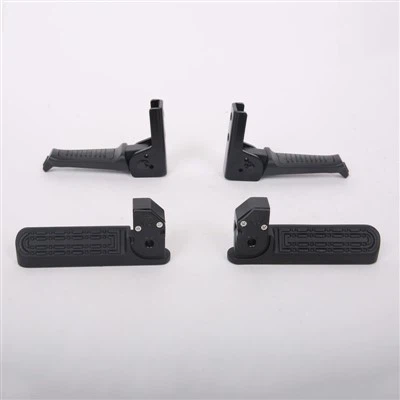
Take Motorcycle Parts Die Casting Mold as an example. Motorcycle parts often have complex shapes, such as engine casings and transmission components. Cold chamber die casting can produce these parts with high precision, ensuring proper fit and function within the motorcycle assembly. The ability to replicate fine details in the die casting process is a significant advantage when it comes to manufacturing high - performance motorcycle parts.
Low - Volume Production
While cold chamber die casting is often associated with high - volume production, it can also be a viable option for low - volume production. The initial investment in tooling for cold chamber die casting can be relatively high, but the cost per part can be competitive, especially when considering the quality and precision of the parts produced.
For small - batch production, cold chamber die casting allows manufacturers to produce parts with consistent quality without the need for expensive secondary machining operations. This makes it an attractive option for prototyping and small - scale manufacturing, where flexibility and quick turnaround times are essential.
Considerations for Using Cold Chamber Die Casting Moulds
When deciding whether to use a cold chamber die casting mould, there are several factors to consider. First, the material selection is crucial. As mentioned earlier, high - melting - point metals are better suited for cold chamber die casting. However, the specific alloy composition can also affect the casting process and the final properties of the parts.
Second, the design of the part and the die is essential. A well - designed die can optimize the filling process, reduce the risk of defects, and improve the overall efficiency of the casting operation. It's important to work closely with an experienced die design team to ensure that the die is tailored to the specific requirements of the part.
Third, the production volume and cost - effectiveness need to be evaluated. While cold chamber die casting can produce high - quality parts, the initial investment in tooling and equipment can be significant. Therefore, it's necessary to assess whether the production volume justifies the cost of the tooling and the overall manufacturing process.


Conclusion
In conclusion, cold chamber die casting moulds are a versatile and reliable solution for a wide range of manufacturing applications. They are particularly suitable for high - melting - point metals, large - scale and heavy - walled parts, complex geometries, and both high - and low - volume production. As a die casting mould supplier, I have witnessed firsthand the benefits that cold chamber die casting can bring to various industries.
If you are considering using cold chamber die casting for your manufacturing needs, I encourage you to reach out to discuss your project in detail. Our team of experts can provide you with customized solutions, from die design to the final production of high - quality parts. Whether you are in the automotive, aerospace, electronics, or any other industry, we are committed to helping you achieve your manufacturing goals.
References
- Campbell, J. (2003). Casting. Butterworth - Heinemann.
- Davis, J. R. (Ed.). (2008). Aluminum and Aluminum Alloys. ASM International.
- Kalpakjian, S., & Schmid, S. R. (2010). Manufacturing Engineering and Technology. Pearson Prentice Hall.