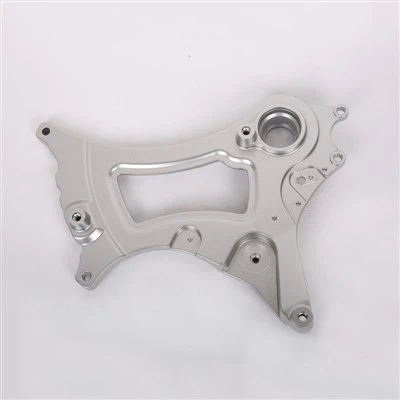
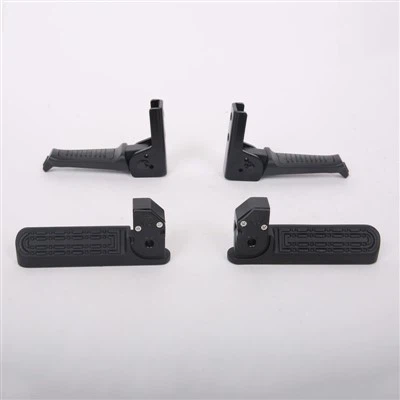
When it comes to sourcing a high - quality die casting mould, there are a bunch of factors you gotta take into account. As a die casting mould supplier myself, I've seen it all and can share some valuable insights on what you should be looking for in a supplier.
Experience and Expertise
First off, experience is key. You want a supplier who's been in the game for a while. A well - established supplier has likely dealt with a wide variety of projects, which means they've encountered different challenges and know how to solve them. They're more likely to have the know - how to handle complex designs and tricky manufacturing processes.
For instance, if you're looking for a High - pressure Die Casting Mold, an experienced supplier will understand the nuances of high - pressure die casting. They'll know how to design the mould to withstand the high pressures involved, ensuring that the final product is of top - notch quality.
Expertise also extends to the materials they work with. A good supplier should be well - versed in different types of metals used in die casting, like aluminum, zinc, and magnesium. If you're specifically interested in an Aluminum High - pressure Die Casting Mold, the supplier should have in - depth knowledge of aluminum's properties and how to optimize the mould for it. They'll know the right alloys to use, the best heat treatment processes, and how to prevent common issues like porosity and cracking.
Quality Assurance
Quality is non - negotiable. A reliable die casting mould supplier should have a robust quality assurance system in place. This starts with the design phase. They should use advanced design software to create accurate 3D models of the mould. These models can be analyzed for potential problems before the actual manufacturing begins, saving you time and money in the long run.


During the manufacturing process, the supplier should conduct regular inspections. They should use precision measuring tools to ensure that the mould meets all the required specifications. For example, the dimensions of the mould need to be within tight tolerances to produce parts that fit perfectly.
After the mould is completed, it should undergo a series of tests. This might include pressure testing to make sure it can withstand the forces of die casting, as well as functional testing to ensure that it produces high - quality parts consistently. A supplier that stands behind their product will offer some form of warranty or guarantee, giving you peace of mind.
Production Capacity
Your supplier's production capacity matters a great deal. If you have a large - scale project with a tight deadline, you need a supplier who can keep up. A supplier with a high production capacity will have multiple manufacturing machines and a well - organized production line. This allows them to produce moulds quickly without sacrificing quality.
On the other hand, if you have a small - scale project, a supplier with a more flexible production capacity can be beneficial. They can focus on your project without getting overwhelmed by large orders. They might also be more willing to work with you on customizing the mould to your exact needs.
Cost - effectiveness
Cost is always a consideration, but it shouldn't be the only factor. You don't want to go for the cheapest option and end up with a low - quality mould. Instead, look for a supplier that offers a good balance between cost and quality.
A good supplier will be transparent about their pricing. They'll break down the costs for you, including materials, labor, and any additional services. They might also be willing to work with you to find ways to reduce costs without compromising on quality. For example, they could suggest alternative materials or manufacturing processes that are more cost - effective.
Communication and Customer Service
Communication is crucial when working with a die casting mould supplier. You need to be able to easily reach them and get timely responses to your questions. A supplier that values communication will have a dedicated customer service team that can assist you throughout the entire process, from the initial inquiry to the delivery of the mould.
They should also keep you updated on the progress of your project. Whether it's sending you regular reports or photos of the manufacturing process, good communication helps build trust. If there are any issues or delays, they should be upfront about it and work with you to find a solution.
Technology and Innovation
In the ever - evolving world of die casting, technology and innovation play a big role. A forward - thinking supplier will invest in the latest manufacturing technologies. This could include advanced CNC machining centers, which offer higher precision and faster production times. They might also use state - of - the - art surface treatment techniques to improve the durability and performance of the mould.
Innovation also means being able to adapt to new trends and customer demands. For example, if there's a growing demand for more sustainable die casting processes, a good supplier will be exploring ways to reduce energy consumption and waste.
Reputation
A supplier's reputation says a lot about their quality and reliability. You can check online reviews and testimonials from other customers. Look for feedback on the quality of their moulds, their customer service, and their ability to meet deadlines. You can also ask for references and contact other companies that have worked with the supplier.
If a supplier has a good reputation in the industry, it's a sign that they're doing something right. They're likely to have a long list of satisfied customers who are willing to recommend them.
Location
The location of the supplier can also be a factor. If you're in a hurry to get the mould, a local supplier might be a better option. They can offer faster delivery times and easier communication. You can even visit their facility to see the manufacturing process firsthand.
However, if cost is a major concern, you might consider an overseas supplier. They might be able to offer lower prices due to lower labor and material costs in their region. Just be aware that there might be longer lead times and potential language and cultural barriers.
In conclusion, finding the right die casting mould supplier is a process that requires careful consideration. By looking at factors like experience, quality assurance, production capacity, cost - effectiveness, communication, technology, reputation, and location, you can make an informed decision. If you're in the market for a Aluminium Die Casting Mold or any other type of die casting mould, I encourage you to reach out and start a conversation. We're here to help you get the best possible mould for your project.
References
- General knowledge from years of experience in the die casting mould industry.
- Industry reports on die casting trends and best practices.