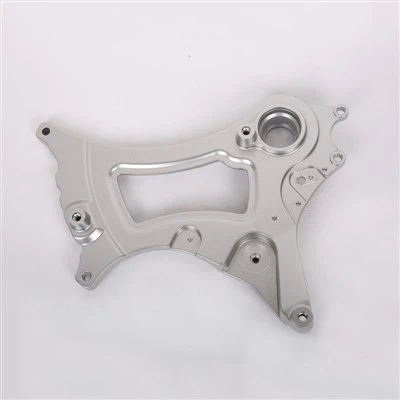
Hey there, fellow motorcycle enthusiasts! As a supplier of Motorcycle Connecting Plate, I often get asked about the role of these parts in a motorcycle's ignition system. So, let's dive right in and explore this topic.
First off, let's understand what a motorcycle connecting plate is. A Motorcycle Connecting Plate is a small but crucial component that plays a significant role in the overall functionality of a motorcycle. It's usually made from high - quality materials like aluminum or steel, which are durable and can withstand the harsh conditions of motorcycle operation.
Now, onto the ignition system. The ignition system in a motorcycle is responsible for starting the engine and keeping it running smoothly. It consists of several key components such as the battery, ignition coil, spark plug, and the control unit. So, where does the connecting plate fit in?
One of the main roles of the motorcycle connecting plate in the ignition system is electrical connection. You see, electricity needs to flow smoothly between different parts of the ignition system for it to work properly. The connecting plate acts as a bridge, allowing the electrical current to pass from one component to another. For example, it can connect the ignition coil to the battery or the spark plug to the control unit. This seamless electrical connection is essential for generating the high - voltage spark that ignites the fuel - air mixture in the engine's combustion chamber.
Another important function is mechanical support. In a motorcycle, there's a lot of vibration and movement while the bike is in motion. The connecting plate helps to hold the various ignition components in place, ensuring that they don't get loose or damaged due to the constant shaking. It provides a stable platform for these parts, which is crucial for maintaining the reliability of the ignition system.
Let's talk about the design of the connecting plate. A well - designed connecting plate is not just a simple piece of metal. It's engineered to have the right shape, size, and thickness to optimize its performance. For instance, the shape of the plate can be designed to fit snugly between different ignition components, minimizing the distance for the electrical current to travel. This reduces resistance and improves the efficiency of the electrical transfer.
The thickness of the connecting plate also matters. If it's too thin, it might not be able to handle the electrical load and could overheat or break. On the other hand, if it's too thick, it can add unnecessary weight to the motorcycle, which is something that manufacturers always try to avoid.
Now, you might be wondering about the difference between a Motorcycle Connecting Plate and a Motorcycle Connecting Board. While they both serve similar purposes in the ignition system, there are some subtle differences. A connecting plate is usually a more solid and rigid structure, mainly focused on electrical and mechanical connection. A connecting board, on the other hand, might have more complex circuitry and could be used for more advanced functions, such as signal processing or control.
As a supplier, we understand the importance of quality when it comes to motorcycle connecting plates. We use state - of - the - art manufacturing processes to ensure that each plate meets the highest standards. Our plates are tested rigorously for electrical conductivity, mechanical strength, and durability. We know that a faulty connecting plate can lead to ignition problems, which can be a real headache for motorcycle owners.

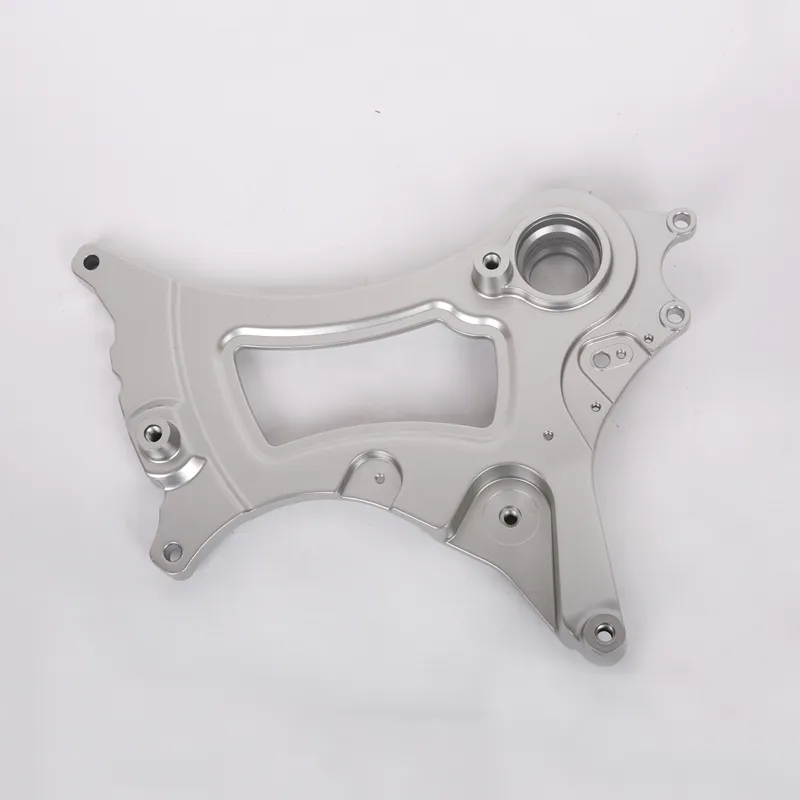
In addition to the ignition system, motorcycle connecting plates can also be used in other parts of the bike. For example, they can be used in the lighting system, where they help to connect the bulbs to the power source. They can also be found in the charging system, connecting the alternator to the battery.
When it comes to choosing a connecting plate for your motorcycle, there are a few things to keep in mind. First, make sure it's compatible with your motorcycle's make and model. Different motorcycles have different ignition systems, and you need a connecting plate that fits perfectly. Second, look for a plate that's made from high - quality materials. This will ensure its longevity and reliability.
As a supplier, we offer a wide range of Motorcycle Connecting Plates to meet the diverse needs of our customers. Whether you're a motorcycle manufacturer looking for bulk orders or an individual rider in need of a replacement part, we've got you covered.
If you're in the market for motorcycle connecting plates or boards, don't hesitate to get in touch. We're always happy to discuss your requirements and offer the best solutions for your needs. Our team of experts can provide you with detailed information about our products, including specifications, pricing, and delivery options. We're committed to providing top - notch customer service and high - quality products.
In conclusion, the motorcycle connecting plate plays a vital role in the motorcycle's ignition system. It ensures smooth electrical connection and provides mechanical support, which are essential for the proper functioning of the ignition system. Whether you're a motorcycle enthusiast or a professional in the industry, understanding the importance of these parts can help you make better decisions when it comes to maintenance and upgrades. So, if you're looking for reliable motorcycle connecting plates, give us a shout, and let's work together to keep your bikes running smoothly.
References:
- Motorcycle Engineering Handbook
- Automotive Electrical Systems Manual