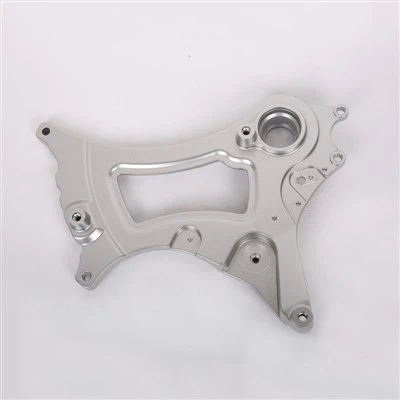
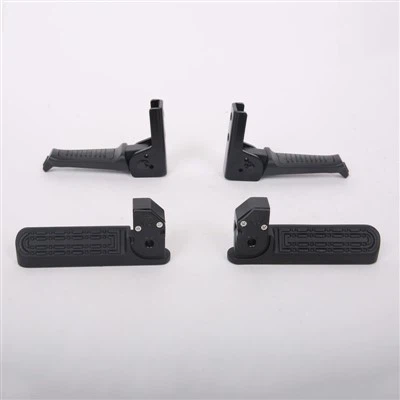
As a supplier of Aluminum Alloy Forgings, I often encounter inquiries from clients regarding the differences between open-die and closed-die forging of aluminum alloy forgings. Understanding these differences is crucial for making informed decisions in the manufacturing process, as each method has its own unique characteristics, advantages, and limitations. In this blog post, I will delve into the details of open-die and closed-die forging, highlighting their key distinctions and applications in the production of aluminum alloy forgings.
Open-Die Forging of Aluminum Alloy Forgings
Open-die forging, also known as free forging, is a process in which the workpiece is shaped between flat or simple-shaped dies without completely constraining the metal flow. The forging is performed by applying pressure to the workpiece using a hammer or a press, allowing the metal to flow freely in multiple directions. This method is typically used for producing large, simple-shaped forgings with relatively low precision requirements.
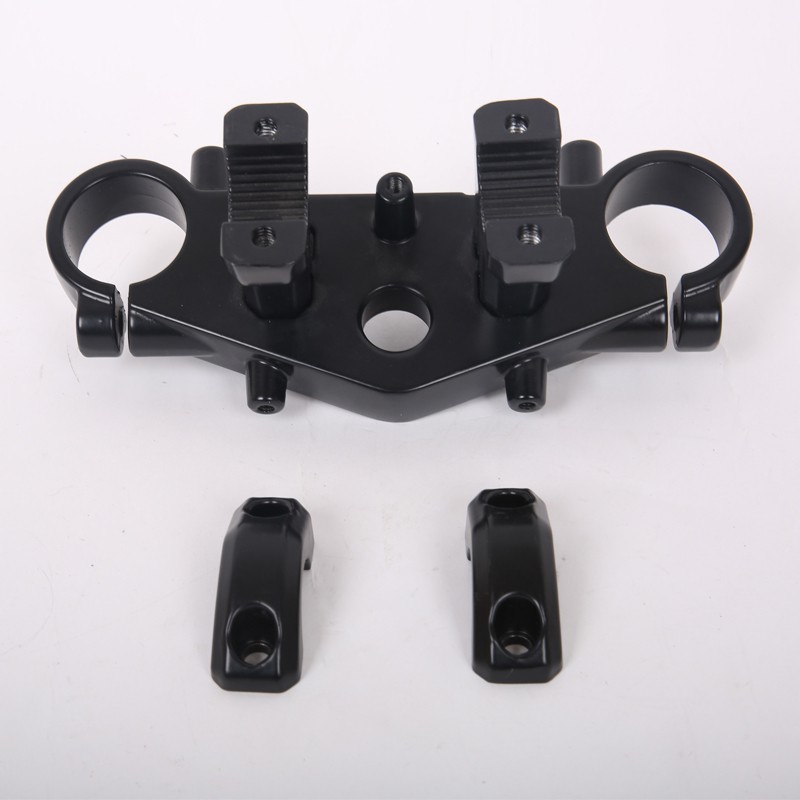

One of the primary advantages of open-die forging is its flexibility. It can accommodate a wide range of workpiece sizes and shapes, making it suitable for producing custom-made forgings. Additionally, open-die forging can improve the mechanical properties of the aluminum alloy by refining the grain structure and eliminating internal defects. This results in forgings with enhanced strength, toughness, and fatigue resistance.
However, open-die forging also has some limitations. The process is relatively slow and labor-intensive, as it requires skilled operators to control the metal flow and shape the workpiece manually. Moreover, the dimensional accuracy of open-die forgings is typically lower compared to closed-die forgings, as the metal flow is not fully constrained. This makes open-die forging less suitable for producing forgings with complex shapes or tight tolerances.
Closed-Die Forging of Aluminum Alloy Forgings
Closed-die forging, also known as impression-die forging, is a process in which the workpiece is placed in a die cavity and shaped by applying pressure to the die halves. The die cavity is designed to have the exact shape of the desired forging, allowing the metal to flow and fill the cavity completely. This method is typically used for producing small to medium-sized forgings with high precision and complex shapes.
One of the main advantages of closed-die forging is its high productivity. The process can be automated, allowing for mass production of forgings with consistent quality and dimensional accuracy. Additionally, closed-die forging can produce forgings with complex shapes and tight tolerances, making it suitable for applications where precision is critical.
Another advantage of closed-die forging is its ability to produce forgings with improved mechanical properties. The controlled metal flow in the die cavity results in a more uniform grain structure and better distribution of internal stresses, which enhances the strength, toughness, and fatigue resistance of the forgings.
However, closed-die forging also has some limitations. The initial tooling cost for closed-die forging is relatively high, as it requires the design and fabrication of custom dies. Moreover, the process is less flexible compared to open-die forging, as the dies are designed for a specific forging shape and cannot be easily modified. This makes closed-die forging less suitable for producing small quantities of forgings or forgings with frequent design changes.
Key Differences between Open-Die and Closed-Die Forging
Now that we have a better understanding of open-die and closed-die forging, let's summarize the key differences between the two methods:
- Shape Complexity: Open-die forging is suitable for producing simple-shaped forgings, while closed-die forging can produce forgings with complex shapes and intricate details.
- Dimensional Accuracy: Closed-die forging offers higher dimensional accuracy and tighter tolerances compared to open-die forging.
- Productivity: Closed-die forging is more productive and suitable for mass production, while open-die forging is slower and more labor-intensive, making it better suited for small quantities or custom-made forgings.
- Tooling Cost: The initial tooling cost for closed-die forging is higher due to the need for custom dies, while open-die forging requires less expensive tooling.
- Mechanical Properties: Both open-die and closed-die forging can improve the mechanical properties of aluminum alloy forgings, but closed-die forging typically results in more uniform properties and better internal structure.
- Flexibility: Open-die forging is more flexible and can accommodate a wider range of workpiece sizes and shapes, while closed-die forging is less flexible and requires specific dies for each forging design.
Applications of Open-Die and Closed-Die Forging in Aluminum Alloy Forgings
The choice between open-die and closed-die forging depends on various factors, including the shape complexity, dimensional accuracy, production volume, and mechanical property requirements of the forgings. Here are some common applications of open-die and closed-die forging in aluminum alloy forgings:
Open-Die Forging Applications
- Large Structural Components: Open-die forging is commonly used for producing large structural components, such as shafts, bars, and plates, where high strength and toughness are required.
- Custom-Made Forgings: The flexibility of open-die forging makes it suitable for producing custom-made forgings with unique shapes and sizes, such as prototypes or one-off parts.
- Repair and Maintenance: Open-die forging can be used for repairing and modifying existing forgings, as it allows for the reshaping of the metal without the need for expensive tooling.
Closed-Die Forging Applications
- Automotive and Aerospace Components: Closed-die forging is widely used in the automotive and aerospace industries for producing high-precision components, such as engine parts, transmission components, and aircraft structural parts.
- Consumer Goods: Closed-die forging is also used in the production of consumer goods, such as sporting equipment, hand tools, and electronic devices, where complex shapes and high-quality finishes are required.
- Medical Devices: The high precision and dimensional accuracy of closed-die forging make it suitable for producing medical devices, such as surgical instruments and implants, where strict quality control is essential.
Conclusion
In conclusion, open-die and closed-die forging are two distinct methods for producing aluminum alloy forgings, each with its own unique advantages and limitations. Open-die forging is more flexible and suitable for producing large, simple-shaped forgings, while closed-die forging offers higher productivity, precision, and the ability to produce complex shapes. The choice between the two methods depends on various factors, including the shape complexity, dimensional accuracy, production volume, and mechanical property requirements of the forgings.
As a supplier of Aluminum Alloy Forgings, we have extensive experience in both open-die and closed-die forging processes. We can help you determine the most suitable forging method for your specific application, ensuring that you receive high-quality aluminum alloy forgings that meet your exact requirements.
If you are interested in learning more about our Aluminum Alloy Forgings or would like to discuss your forging needs, please feel free to contact us. Our team of experts is ready to assist you and provide you with a competitive quote.
References
- ASM Handbook, Volume 14A: Metalworking - Forging, ASM International, 2013.
- Aluminum Association, Aluminum Forgings: A Guide to Design and Applications, Aluminum Association, 2018.
- Deformation Processing of Aluminum Alloys, edited by David E. Boyer, ASM International, 2008.