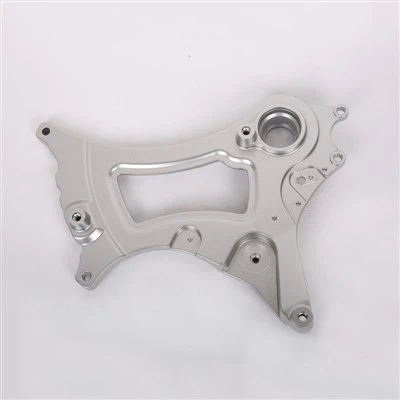
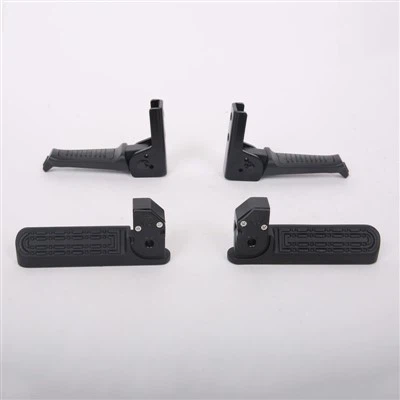
As a trusted supplier of Motorcycle Connecting Boards, I've witnessed firsthand the importance of these components in the overall performance and safety of motorcycles. In this blog, I'll delve into the main components of a motorcycle connecting board, shedding light on their functions and significance.
1. Base Plate
The base plate is the foundation of the motorcycle connecting board. It provides a stable platform for mounting other components and ensures proper alignment within the motorcycle's structure. Typically made from high - strength metals such as aluminum or steel, the base plate is designed to withstand the vibrations, shocks, and stresses encountered during motorcycle operation.
Aluminum base plates are popular due to their lightweight nature, which helps in reducing the overall weight of the motorcycle and improving fuel efficiency. Steel base plates, on the other hand, offer superior strength and durability, making them suitable for heavy - duty motorcycles or those used in more demanding riding conditions. You can find high - quality base plates in our Motorcycle Connecting Board products.
2. Mounting Holes
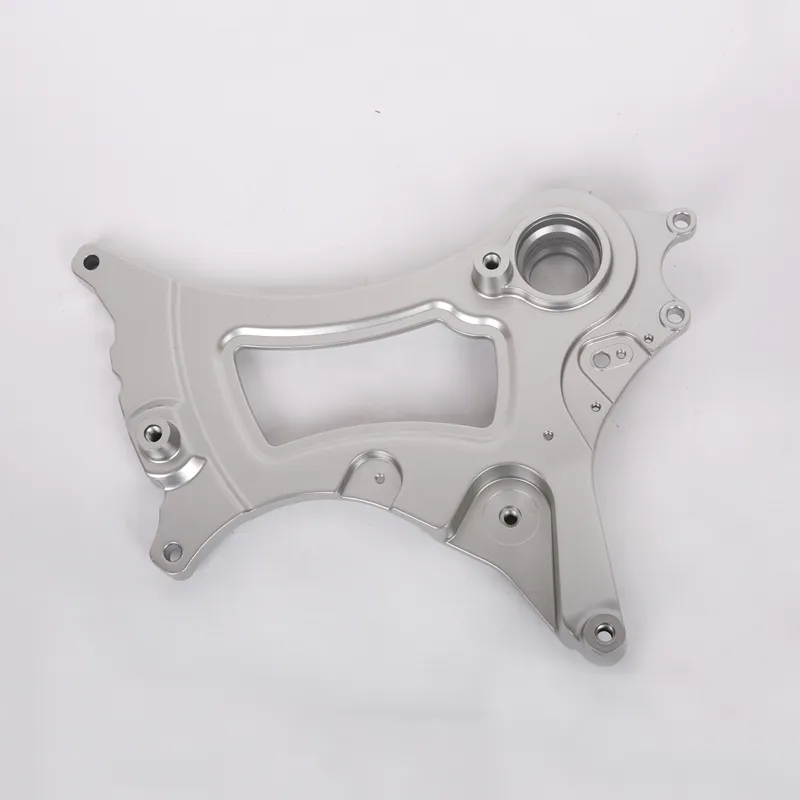
Mounting holes are essential features on a motorcycle connecting board. These holes are precisely drilled to allow for the secure attachment of the connecting board to various parts of the motorcycle, such as the engine, frame, or suspension system. The size, spacing, and number of mounting holes are carefully designed to match the specific requirements of different motorcycle models.
Accurate mounting hole placement is crucial for proper installation and alignment. If the holes are not correctly positioned, it can lead to misalignment, which may cause premature wear and tear on the components, reduced performance, and even safety hazards. Our Motorcycle Connecting Plate products are manufactured with high - precision drilling techniques to ensure the perfect fit of the mounting holes.
3. Wiring Channels
In modern motorcycles, electrical systems play a vital role in various functions, including ignition, lighting, and communication. Wiring channels on the motorcycle connecting board are designed to route electrical wires safely and neatly. These channels help in organizing the wiring, preventing tangling, and protecting the wires from damage caused by abrasion, heat, or moisture.
The design of wiring channels takes into account the number and size of wires that need to be routed. They are often equipped with clips or guides to hold the wires in place and ensure a stable connection. By providing well - designed wiring channels, our Motorcycle Connecting Boards contribute to the reliability and longevity of the motorcycle's electrical system.
4. Reinforcement Ribs
Reinforcement ribs are structural elements added to the motorcycle connecting board to enhance its strength and rigidity. These ribs are typically located on the underside of the base plate or along the edges of the board. They help in distributing the loads evenly across the board, reducing the risk of deformation or cracking under stress.
The shape, size, and arrangement of reinforcement ribs are optimized based on the specific load - bearing requirements of the connecting board. For example, in areas where the board is subjected to high stress, such as near the mounting points, the ribs may be thicker and more closely spaced. Our products are engineered with advanced reinforcement rib designs to ensure maximum strength and durability.
5. Connector Ports
Connector ports are crucial for establishing electrical connections between different components of the motorcycle. These ports are designed to interface with various sensors, actuators, and control units. They come in different shapes and sizes, depending on the type of connection required.
The quality of connector ports is of utmost importance, as a poor connection can lead to electrical malfunctions, such as intermittent power supply or signal loss. Our Motorcycle Connecting Boards feature high - quality connector ports that are designed to provide a secure and reliable connection, ensuring the proper functioning of the motorcycle's electrical and electronic systems.
6. Heat Dissipation Features
Motorcycles generate a significant amount of heat during operation, especially in the engine and electrical components. To prevent overheating, motorcycle connecting boards may incorporate heat dissipation features. These can include fins, vents, or heat - conducting materials.
Fins increase the surface area of the connecting board, allowing for more efficient heat transfer to the surrounding air. Vents provide a path for hot air to escape, promoting air circulation and cooling. Heat - conducting materials, such as copper or aluminum alloys, can be used to transfer heat away from critical components. Our products are designed with effective heat dissipation features to maintain optimal operating temperatures and prevent damage to the components.
7. Sealing Gaskets
Sealing gaskets are used to prevent the ingress of water, dust, and other contaminants into the motorcycle connecting board. These gaskets are typically made from rubber or silicone materials and are placed around the edges of the board or at the interfaces between different components.
A proper seal is essential for protecting the internal components of the connecting board from damage caused by environmental factors. Our Motorcycle Connecting Boards are equipped with high - quality sealing gaskets that provide a reliable barrier against moisture and dirt, ensuring the long - term performance and reliability of the board.

8. Identification Markings
Identification markings on the motorcycle connecting board serve several purposes. They can include part numbers, serial numbers, manufacturing dates, and other relevant information. These markings help in inventory management, quality control, and product traceability.
Part numbers are used to identify the specific model and version of the connecting board, making it easier for manufacturers, dealers, and repair technicians to order the correct replacement parts. Serial numbers can be used to track the production history of the board, which is useful for quality assurance and warranty purposes. Our products are clearly marked with accurate identification information to facilitate easy identification and management.
Importance of High - Quality Motorcycle Connecting Boards
Using high - quality motorcycle connecting boards is essential for the overall performance, safety, and reliability of motorcycles. A well - designed and manufactured connecting board ensures proper alignment, secure mounting, and reliable electrical connections. It can also contribute to the longevity of the motorcycle's components by reducing wear and tear and preventing damage caused by environmental factors.
As a supplier of Motorcycle Connecting Boards, we are committed to providing products that meet the highest standards of quality and performance. Our products are manufactured using advanced manufacturing processes and strict quality control measures to ensure that they meet or exceed the requirements of our customers.
Contact Us for Procurement
If you are in the market for high - quality Motorcycle Connecting Boards, we invite you to contact us for procurement. Our team of experts is ready to assist you in selecting the right products for your specific needs. Whether you are a motorcycle manufacturer, a parts distributor, or a repair shop, we can provide you with the best solutions at competitive prices. Let's start a fruitful business relationship and take your motorcycle projects to the next level.
References
- Motorcycle Engineering Handbook, various authors
- Automotive Electrical and Electronic Systems, John F. Kershaw
- Die - Casting Technology and Applications, industry research reports