As a seasoned supplier of connecting plates, I've encountered numerous inquiries regarding the installation time requirements for these crucial components. Connecting plates play a pivotal role in various industries, from automotive to aerospace, and understanding the factors that influence their installation time is essential for efficient project management. In this blog post, I'll delve into the key considerations that determine the installation time of a connecting plate and provide insights to help you plan your projects more effectively.
Understanding the Basics of Connecting Plates
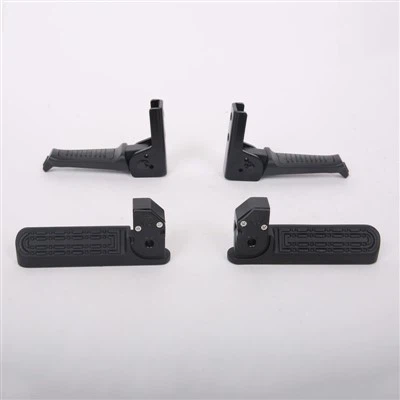
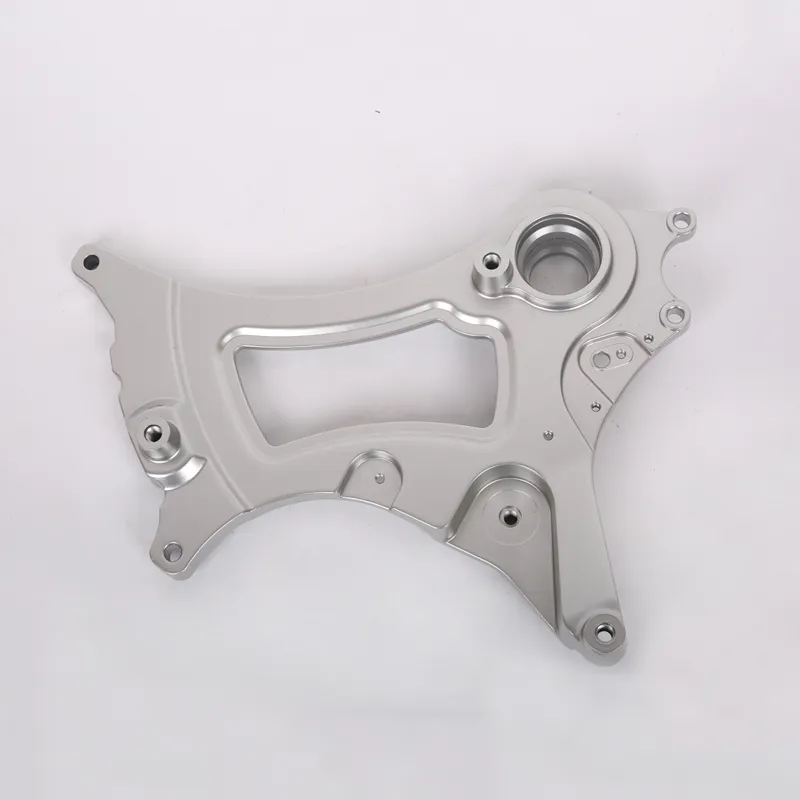
Before we explore the installation time requirements, let's briefly review what connecting plates are and their functions. Connecting plates are flat, usually rectangular pieces of metal or other materials used to join two or more components together. They are commonly used in structures to transfer loads, provide stability, and ensure proper alignment. Connecting plates can be found in a wide range of applications, including bridges, buildings, machinery, and Motorcycle Connecting Board and Motorcycle Connecting Plate.
Factors Affecting Installation Time
Complexity of the Design
One of the primary factors that influence the installation time of a connecting plate is the complexity of its design. Simple, standard connecting plates with straightforward geometries can be installed relatively quickly. These plates typically have uniform shapes and require minimal adjustment during installation. On the other hand, custom-designed connecting plates with intricate shapes, multiple holes, or special features may take longer to install. The installation process for complex plates often involves precise measurements, alignment, and potentially additional machining or modification on-site.
Material and Thickness
The material and thickness of the connecting plate also play a significant role in determining the installation time. Different materials have varying properties, such as hardness, ductility, and corrosion resistance, which can affect the ease of installation. For example, softer materials like aluminum may be easier to cut, drill, and fasten compared to harder materials like steel. Additionally, thicker plates generally require more time to install as they may be heavier and more difficult to handle. The installation process may also involve more robust fastening methods, such as welding or bolting with larger bolts, which can add to the overall installation time.
Installation Method
The method used to install the connecting plate is another crucial factor. There are several common installation methods, including welding, bolting, and adhesive bonding. Welding is a permanent and strong connection method that can provide excellent load transfer capabilities. However, it requires skilled welders and proper equipment, and the welding process can be time-consuming, especially for large or thick connecting plates. Bolting is a more flexible and reversible installation method that allows for easier disassembly and adjustment. The time required for bolting depends on the number of bolts, the size of the bolts, and the complexity of the bolt pattern. Adhesive bonding is a relatively quick and clean installation method, but it may require surface preparation and curing time for the adhesive to reach its full strength.
Site Conditions
The conditions at the installation site can also impact the installation time. Factors such as access to the installation area, the availability of tools and equipment, and the presence of other structures or obstacles can all affect the efficiency of the installation process. For example, if the installation site is in a confined space or difficult-to-reach location, it may take longer to maneuver the connecting plate into position and complete the installation. Additionally, adverse weather conditions, such as extreme heat, cold, or rain, can also slow down the installation process and may require additional precautions or protective measures.
Skill and Experience of the Installers
The skill and experience of the installers are perhaps the most critical factor in determining the installation time. Experienced installers who are familiar with the installation process and have a good understanding of the connecting plate design and requirements can complete the installation more quickly and efficiently. They are able to anticipate potential issues and take appropriate measures to address them, reducing the likelihood of delays or errors. On the other hand, inexperienced installers may take longer to complete the installation and may be more prone to making mistakes, which can further extend the installation time.
Estimating Installation Time
Estimating the installation time for a connecting plate requires a careful consideration of all the factors mentioned above. While it's difficult to provide a precise estimate without detailed information about the specific project, there are some general guidelines that can be followed.
Standard Connecting Plates
For standard connecting plates with simple designs and common installation methods, such as bolting, the installation time can typically range from a few minutes to a few hours per plate, depending on the size and complexity of the plate. For example, a small, thin connecting plate with a few bolts may take only 10-15 minutes to install, while a larger, thicker plate with a more complex bolt pattern may take 1-2 hours.
Custom Connecting Plates
Custom-designed connecting plates with complex geometries or special features may require significantly more time to install. The installation time for these plates can range from several hours to several days, depending on the complexity of the design and the installation method. In some cases, the installation process may involve multiple steps, such as on-site machining, welding, and testing, which can further extend the installation time.
Large-Scale Projects
In large-scale projects where multiple connecting plates are being installed, the total installation time will depend on the number of plates, the installation sequence, and the availability of resources. It's important to develop a detailed installation plan that takes into account all the factors mentioned above and allows for sufficient time for each step of the installation process. This may involve scheduling the installation in phases, coordinating the work of multiple installers, and ensuring that all the necessary tools and equipment are available on-site.
Tips for Reducing Installation Time
Pre-Installation Planning
Thorough pre-installation planning is essential for reducing the installation time of connecting plates. This includes carefully reviewing the design drawings, specifications, and installation instructions to ensure that all the necessary information is available. It's also important to conduct a site survey to identify any potential issues or challenges that may arise during the installation process. By addressing these issues in advance, you can minimize the need for on-site adjustments and delays.
Quality Control
Ensuring the quality of the connecting plates before installation is crucial for reducing installation time. This includes inspecting the plates for any defects, such as cracks, holes, or incorrect dimensions. Any defective plates should be replaced or repaired before installation to avoid delays and ensure a proper fit. Additionally, proper storage and handling of the connecting plates can help prevent damage and ensure that they are in good condition when they are ready to be installed.
Training and Skill Development
Investing in the training and skill development of your installers can significantly reduce the installation time of connecting plates. Providing comprehensive training on the installation process, including the proper use of tools and equipment, safety procedures, and quality control measures, can help improve the efficiency and accuracy of the installation. Additionally, encouraging installers to stay updated on the latest installation techniques and technologies can further enhance their skills and productivity.

Collaboration and Communication
Effective collaboration and communication between all parties involved in the installation process, including the supplier, the installer, and the project manager, are essential for reducing installation time. Clear and timely communication can help ensure that everyone is on the same page and that any issues or concerns are addressed promptly. Regular progress meetings and site inspections can also help identify and resolve any potential problems before they become major issues.
Conclusion
In conclusion, the installation time requirements for a connecting plate depend on a variety of factors, including the complexity of the design, the material and thickness, the installation method, the site conditions, and the skill and experience of the installers. By understanding these factors and taking appropriate measures to address them, you can plan your projects more effectively and reduce the overall installation time. As a supplier of connecting plates, I am committed to providing high-quality products and technical support to help you achieve efficient and successful installations. If you have any questions or need further information about our connecting plates or installation requirements, please don't hesitate to contact us. We look forward to working with you on your next project.
References
- ASCE/SEI 10-16, Specification for Structural Steel Buildings
- AWS D1.1/D1.1M:2020, Structural Welding Code - Steel
- AISC Steel Construction Manual, 15th Edition