


Hey there! I'm a supplier of forging parts, and today I wanna chat about the forging parts in the fire - fighting equipment industry.
First off, let's understand why forging parts are so crucial in fire - fighting equipment. Fire - fighting is a high - stakes game where every piece of equipment has to work flawlessly. Forging parts offer excellent strength, durability, and resistance to wear and tear, which are essential qualities for equipment that might be used in extreme and dangerous situations.
One of the most common forging parts in fire - fighting equipment is the valve body. Valves are everywhere in fire - fighting systems, controlling the flow of water, foam, or other extinguishing agents. A well - forged valve body can withstand high pressures and corrosive environments. For example, in a large - scale fire - fighting sprinkler system, the valves need to open and close precisely to ensure that the right amount of water reaches the affected area. A forged valve body made from high - quality steel can handle the pressure surges and long - term use without failing.
Another important forging part is the nozzle. The nozzle of a fire hose is the end - point from which the extinguishing agent is released. It needs to be strong enough to withstand the high - velocity flow of the agent. Forged nozzles can be designed to have different spray patterns, like a straight stream for long - distance reach or a wide - angle spray for covering a larger area. They're often made from materials like brass or stainless steel through forging processes to ensure they're tough and reliable.
Now, let's talk about some of the materials used in forging these parts. Steel is a go - to material for many forging parts in the fire - fighting industry. It's strong, can be heat - treated to improve its properties, and is relatively cost - effective. Carbon steel is commonly used for general - purpose parts, while stainless steel is preferred for parts that need to resist corrosion, such as those in marine or humid environments.
But it's not just steel. Aluminum alloys are also making their mark. Aluminum Alloy Liquid Forging is a process that can produce high - quality parts with good strength - to - weight ratios. This is especially useful in fire - fighting equipment where weight can be a factor, like in portable fire extinguishers or some types of hoses. Aluminum Alloy Forgings are lightweight, which makes them easier to handle, and they also have good corrosion resistance.
In addition to valves and nozzles, there are other forging parts in fire - fighting equipment. For instance, the connectors that join hoses together are often forged. These connectors need to be able to create a tight seal to prevent leakage and be strong enough to hold the hoses in place under pressure. Forged connectors can be made in different shapes and sizes to fit various types of hoses and equipment.
The handles on fire - fighting equipment are also frequently forged. Whether it's the handle on a fire extinguisher or the lever on a valve, a well - forged handle provides a good grip and is durable enough to withstand repeated use. They're usually made from materials that can resist deformation and are easy to clean.

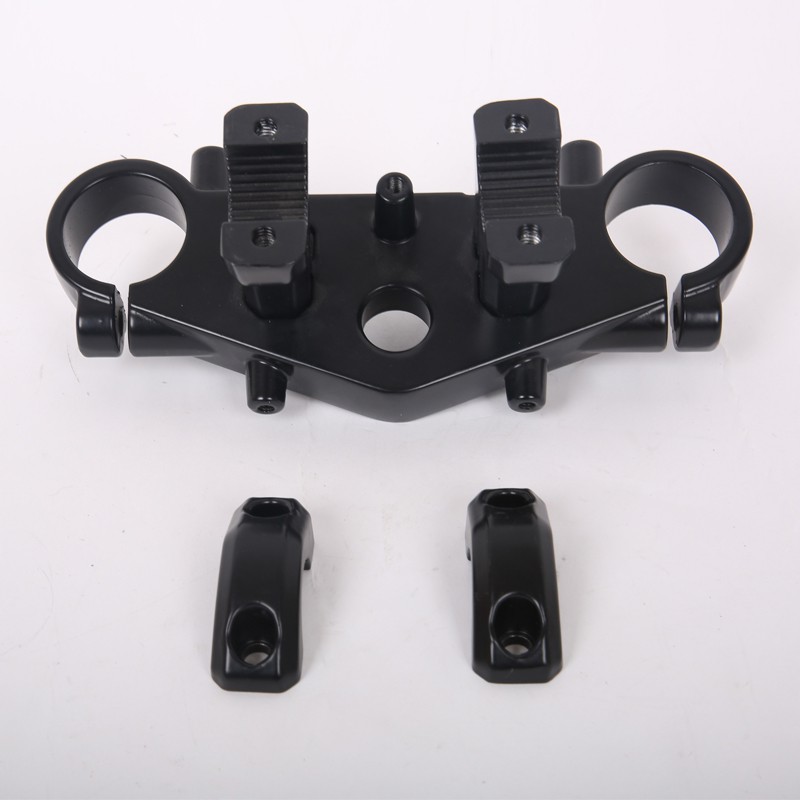
When it comes to the manufacturing process of these forging parts, it's a combination of art and science. First, the raw material is heated to a specific temperature to make it malleable. Then, it's placed in a die and subjected to high pressure to shape it into the desired form. After forging, the parts often go through heat treatment to improve their mechanical properties, like hardness and toughness. Finally, they're machined to achieve the precise dimensions and surface finish required.
As a forging parts supplier, I know how important it is to meet the strict quality standards in the fire - fighting industry. Every part we produce undergoes rigorous testing to ensure it meets or exceeds the relevant safety and performance requirements. We work closely with our customers in the fire - fighting equipment manufacturing sector to understand their specific needs and develop customized solutions.
If you're in the fire - fighting equipment industry and looking for high - quality forging parts, I'd love to have a chat with you. Whether you need valves, nozzles, connectors, or any other forging parts, we've got the expertise and the facilities to provide you with top - notch products. Don't hesitate to reach out for a procurement discussion. We can work together to find the best solutions for your fire - fighting equipment needs.
References
- "Handbook of Fire - Fighting Equipment Design and Manufacturing"
- Industry reports on the use of forging parts in fire - fighting applications


