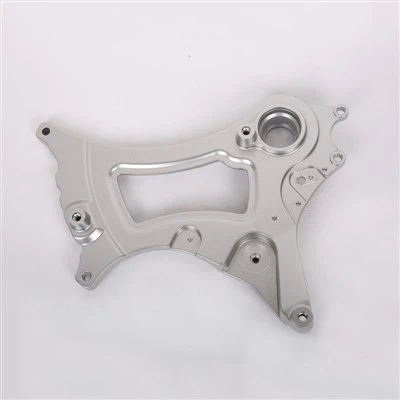
Hey there! As a supplier of connecting plates, I've got a ton of experience and knowledge about what goes into designing these nifty little components. So, let's dive right in and talk about the design considerations for a connecting plate.
Material Selection
First off, choosing the right material is super important. The material you pick will determine the strength, durability, and weight of the connecting plate. For example, if you're making a Motorcycle Connecting Plate, you'll want a material that can handle the vibrations and stresses that come with riding. Aluminum is a popular choice because it's lightweight, corrosion-resistant, and has good strength-to-weight ratio. Steel, on the other hand, is stronger but heavier, so it might be better for applications where you need more strength and can afford the extra weight.
Another factor to consider is the cost of the material. You don't want to break the bank, but you also don't want to skimp on quality. Sometimes, a more expensive material can actually save you money in the long run because it lasts longer and requires less maintenance.
Size and Shape
The size and shape of the connecting plate are crucial. It needs to fit perfectly with the other components it's connecting. You have to take into account the dimensions of the parts it will be attached to, as well as the space available in the overall assembly.
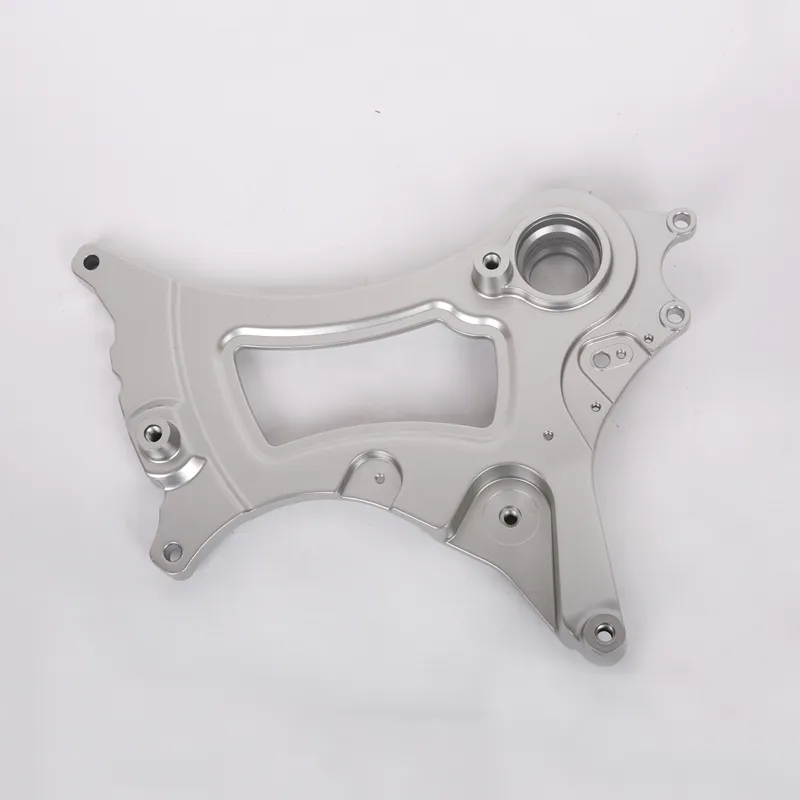
For instance, if you're designing a Motorcycle Connecting Board, it has to be the right size to fit between the engine and the frame. It also needs to have the correct shape to ensure proper alignment and connection. A poorly sized or shaped connecting plate can lead to loose connections, vibrations, and even mechanical failures.
You also need to think about the load that the connecting plate will bear. If it's going to be under a lot of stress, you might need to make it thicker or add reinforcements. On the other hand, if the load is light, you can save material and weight by making it thinner.
Hole Placement and Design
The holes in the connecting plate are where the magic happens. They're used to attach the plate to other components using bolts, screws, or rivets. The placement of these holes is critical. They need to be in the right position to ensure a secure and proper connection.
The size and shape of the holes also matter. The diameter of the holes should match the size of the fasteners you're using. You might also need to consider adding chamfers or countersinks to the holes to make it easier to insert the fasteners and to prevent damage to the plate.
In some cases, you might need to design the holes with a specific pattern or arrangement. This could be for reasons like alignment, balance, or to meet certain industry standards.
Surface Finish
The surface finish of the connecting plate can have a big impact on its performance and appearance. A smooth surface finish can reduce friction and wear, which is especially important if the plate is moving or sliding against other components.
There are different types of surface finishes you can choose from, such as painting, powder coating, or anodizing. Painting can provide a decorative finish and also protect the plate from corrosion. Powder coating is a more durable option that offers better resistance to scratches and chips. Anodizing is often used on aluminum plates to improve their corrosion resistance and give them a nice, uniform appearance.
Tolerances
Tolerances are the allowable variations in the dimensions of the connecting plate. They're important because they ensure that the plate will fit and function correctly. If the tolerances are too loose, the plate might not fit properly, leading to a weak connection. If they're too tight, it could be difficult to manufacture and assemble the plate.
You need to specify the appropriate tolerances based on the requirements of the application. For example, in a high-precision application, you'll need tighter tolerances. In a less critical application, you can get away with looser tolerances.
Manufacturing Process
The manufacturing process you choose will also affect the design of the connecting plate. Different processes have different capabilities and limitations. For example, if you're using die casting, you can create complex shapes and features with relatively high precision. However, die casting has some limitations in terms of the size and thickness of the parts you can make.
Machining is another option. It allows for more flexibility in terms of the size and shape of the plate, but it can be more expensive and time-consuming, especially for large quantities.
You need to consider the manufacturing process early in the design phase to ensure that the design is feasible and cost-effective to produce.
Cost Considerations
Let's face it, cost is always a factor. You want to design a connecting plate that meets all the requirements but is also affordable to produce. This means finding the right balance between material selection, manufacturing process, and design complexity.
You can look for ways to reduce costs without sacrificing quality. For example, you might be able to use a less expensive material or a more efficient manufacturing process. You can also optimize the design to reduce the amount of material used without compromising its strength and performance.
Testing and Validation
Once you've designed the connecting plate, it's important to test and validate it. You need to make sure that it meets all the design requirements and performs as expected. This could involve physical testing, such as stress testing, fatigue testing, or vibration testing.
You can also use computer simulations to predict the performance of the plate under different conditions. This can help you identify any potential issues early in the design process and make the necessary adjustments.
Conclusion
Designing a connecting plate involves a lot of considerations. From material selection to manufacturing process, every aspect plays a crucial role in the performance and cost of the plate. As a connecting plate supplier, I understand the importance of getting these design considerations right.
If you're in the market for high-quality connecting plates, whether it's a Motorcycle Connecting Plate or a Motorcycle Connecting Board, I'd love to have a chat with you. We can discuss your specific requirements and come up with the perfect design for your application. Don't hesitate to reach out and start a conversation about your connecting plate needs.

References
- "Mechanical Design Handbook" by Robert C. Juvinall and Kurt M. Marshek
- "Manufacturing Engineering and Technology" by Serope Kalpakjian and Steven R. Schmid