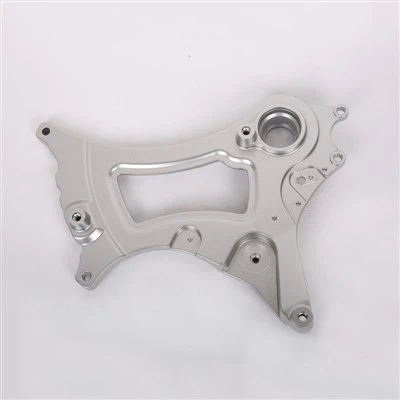
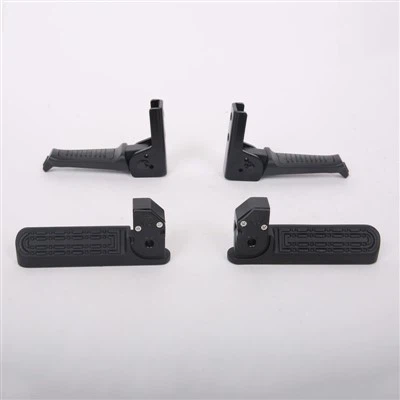
In the dynamic world of manufacturing, aluminium die casting molds play a pivotal role in shaping a wide range of products across various industries. As a dedicated Aluminium Die Casting Mold hyperlink: Aluminium Die Casting Mold supplier, I have witnessed firsthand the transformative power of post - processing these molds. This blog post aims to explore the numerous benefits of post - processing aluminium die casting molds, shedding light on why it is an essential step in the manufacturing process.
Enhanced Surface Finish
One of the most immediate and visible benefits of post - processing aluminium die casting molds is the improvement in surface finish. During the die casting process, the surface of the mold can develop imperfections such as roughness, porosity, and flash. Post - processing techniques like polishing, grinding, and sandblasting can effectively eliminate these flaws, resulting in a smooth and uniform surface.
A high - quality surface finish is crucial for several reasons. Firstly, it enhances the aesthetic appeal of the final product. Whether it is a consumer electronic device or an automotive component, a smooth surface gives the product a more professional and premium look. Secondly, a smooth surface reduces friction, which is particularly important in applications where parts need to move against each other. This can improve the performance and longevity of the product.
For example, in the aerospace industry, components with a smooth surface finish are less likely to cause drag, which can improve fuel efficiency. In the medical device industry, a smooth surface is essential to prevent the accumulation of bacteria and other contaminants.
Improved Dimensional Accuracy
Post - processing also plays a vital role in ensuring the dimensional accuracy of aluminium die casting molds. Even with the most advanced die casting technology, there can be slight variations in the dimensions of the mold due to factors such as thermal expansion and contraction during the casting process.
By using precision machining techniques during post - processing, we can correct these dimensional errors and bring the mold to the exact specifications required by the customer. This is especially important in industries where tight tolerances are critical, such as the semiconductor and telecommunications industries.
For instance, in the production of microelectronic components, a deviation of even a few micrometers can render the component useless. Post - processing allows us to achieve the high level of dimensional accuracy needed to meet the strict requirements of these industries.
Increased Mold Hardness and Wear Resistance
Aluminium die casting molds are subjected to high pressure, temperature, and mechanical stress during the casting process. Over time, this can cause wear and tear on the mold surface, leading to a decrease in the quality of the cast parts and a shorter lifespan of the mold.
Post - processing techniques such as heat treatment and surface coating can significantly increase the hardness and wear resistance of the mold. Heat treatment involves heating the mold to a specific temperature and then cooling it at a controlled rate to change its microstructure. This can improve the strength and hardness of the mold, making it more resistant to wear and deformation.
Surface coating, on the other hand, involves applying a thin layer of a hard material, such as titanium nitride or chromium carbide, to the mold surface. This coating acts as a protective barrier, reducing friction and wear and increasing the mold's resistance to corrosion.


For example, in the automotive industry, where large volumes of parts are produced, molds with high wear resistance are essential to ensure consistent quality and reduce production costs. By post - processing the molds, we can extend their lifespan and improve the overall efficiency of the manufacturing process.
Elimination of Internal Defects
During the die casting process, internal defects such as porosity, shrinkage, and cracks can occur in the mold. These defects can weaken the mold structure and affect the quality of the cast parts.
Post - processing techniques such as non - destructive testing (NDT) and repair welding can be used to detect and eliminate these internal defects. NDT methods, such as ultrasonic testing and X - ray inspection, can identify the location and size of the defects without damaging the mold. Once the defects are detected, repair welding can be used to fill the voids and cracks, restoring the integrity of the mold.
This is particularly important in applications where the mold is subjected to high stress, such as in high - pressure die casting hyperlink: Pressure Die Casting Mould and high - volume production. By eliminating internal defects, we can ensure the reliability and safety of the mold and the cast parts.
Customization and Value - Added Features
Post - processing also offers the opportunity to customize aluminium die casting molds and add value - added features. For example, we can engrave logos, serial numbers, or other markings on the mold surface using laser engraving or chemical etching techniques. This can help with product identification and traceability.
In addition, we can modify the mold design during post - processing to add features such as cooling channels or ejector pins. Cooling channels can improve the cooling efficiency of the mold, reducing cycle times and improving the quality of the cast parts. Ejector pins can make it easier to remove the cast parts from the mold, which can increase productivity.
For example, in the consumer goods industry, customized molds with unique features can help companies differentiate their products from competitors and increase brand recognition.
Cost - Effectiveness in the Long Run
While post - processing adds an additional step to the manufacturing process, it can actually be cost - effective in the long run. By improving the surface finish, dimensional accuracy, hardness, and wear resistance of the mold, post - processing can extend the lifespan of the mold and reduce the frequency of mold replacement.
In addition, post - processing can improve the quality of the cast parts, reducing the number of defective parts and the associated costs of rework and scrap. This can lead to significant savings in production costs over time.
For example, a company that invests in post - processing its aluminium die casting molds may initially incur higher upfront costs. However, in the long term, they will save money on mold replacement, rework, and scrap, as well as improve the overall efficiency of their production process.
Conclusion
In conclusion, post - processing aluminium die casting molds offers a wide range of benefits, including enhanced surface finish, improved dimensional accuracy, increased hardness and wear resistance, elimination of internal defects, customization, and long - term cost - effectiveness. As a leading Aluminium Die Casting Mold supplier, we are committed to providing our customers with high - quality molds that meet their specific requirements.
If you are in the market for aluminium die casting molds or have any questions about post - processing, we encourage you to contact us for a consultation. Our team of experts is ready to assist you in finding the best solutions for your manufacturing needs.
References
- "Die Casting Handbook" by W. Daniel Minor
- "Aluminium Die Casting Technology" by John A. Taylor
- Industry reports on die casting and post - processing techniques