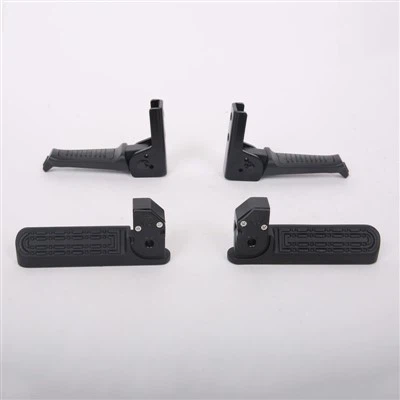
As a dedicated supplier of Motorcycle Rear Handrails, I've witnessed firsthand the evolution and significance of these components in the motorcycle industry. In this blog, I'll delve into the numerous advantages of a plastic motorcycle rear handrail, shedding light on why it's a popular choice among riders and manufacturers alike.
Lightweight Design
One of the most prominent advantages of a plastic motorcycle rear handrail is its lightweight nature. Plastic materials are inherently lighter than their metal counterparts, such as aluminum or steel. This reduced weight has several benefits for the motorcycle and its riders.
Firstly, a lighter rear handrail contributes to overall weight reduction of the motorcycle. This can enhance the bike's performance, including acceleration, braking, and handling. With less weight to carry, the motorcycle can respond more quickly to the rider's inputs, making it more agile on the road.
Secondly, the lightweight design reduces the strain on the motorcycle's suspension system. The suspension doesn't have to work as hard to support the additional weight, which can lead to improved ride comfort and longer lifespan of the suspension components.
Cost - Effectiveness
Plastic motorcycle rear handrails are generally more cost - effective than those made from other materials. The raw materials used in plastic manufacturing are often less expensive, and the production processes, such as injection molding, are relatively simple and efficient. This allows for large - scale production at a lower cost per unit.


For motorcycle manufacturers, cost - effectiveness is a crucial factor. By using plastic rear handrails, they can reduce the overall production cost of the motorcycle without sacrificing too much on quality. This can make the motorcycles more affordable for consumers, increasing market competitiveness.
For consumers, the lower cost of plastic rear handrails means they can replace or upgrade their handrails more easily without breaking the bank. Whether it's for a cosmetic upgrade or a functional replacement, plastic handrails offer a budget - friendly option.
Design Flexibility
Plastic offers a high degree of design flexibility. It can be molded into various shapes and sizes, allowing for the creation of unique and innovative rear handrail designs. Manufacturers can incorporate complex curves, angles, and decorative elements that may be difficult or impossible to achieve with metal materials.
This design flexibility enables motorcycle manufacturers to differentiate their products in the market. They can create rear handrails that match the overall aesthetic of the motorcycle, whether it's a sleek and modern look or a more rugged and aggressive style. For example, some plastic rear handrails can be designed to blend seamlessly with the bodywork of the motorcycle, enhancing its visual appeal.
Corrosion Resistance
Unlike metal handrails, plastic motorcycle rear handrails are highly resistant to corrosion. Metal components are prone to rust and corrosion when exposed to moisture, salt, and other environmental factors. This can not only affect the appearance of the handrail but also compromise its structural integrity over time.
Plastic, on the other hand, does not rust or corrode. It can withstand harsh weather conditions, such as rain, snow, and humidity, without deteriorating. This makes plastic rear handrails a reliable choice for motorcycles that are used in all - weather conditions or in areas with high levels of pollution.
Impact Resistance
Modern plastic materials used in motorcycle rear handrails are engineered to have excellent impact resistance. They can absorb and dissipate the energy from impacts, protecting the passengers and the motorcycle itself. In the event of a minor collision or a fall, the plastic handrail can act as a buffer, reducing the risk of injury to the passengers and damage to the motorcycle.
Moreover, the impact - resistant properties of plastic handrails make them more durable. They are less likely to crack or break under normal use, ensuring a longer service life.
Easy Installation and Maintenance
Plastic motorcycle rear handrails are relatively easy to install. They are often designed to be a direct replacement for the original handrails, with simple mounting mechanisms. This means that even riders with limited mechanical skills can install the handrails themselves, saving on installation costs.
In terms of maintenance, plastic handrails are also hassle - free. They can be easily cleaned with mild soap and water, and they don't require any special coatings or treatments to maintain their appearance and performance.
Compatibility
Plastic rear handrails can be designed to be compatible with a wide range of motorcycle models. Whether it's a sports bike, a cruiser, or an off - road motorcycle, there are plastic handrails available that can fit the specific requirements of each type of bike. This makes it easier for motorcycle manufacturers to source a single type of handrail for multiple models, streamlining the production process.
As a Motorcycle Rear Handrail supplier, we offer a diverse range of plastic rear handrails, including the Motorcycle Rear Grab Handle, Aluminum Rear Armrest, and Motorcycle Rear Handrail. Our products are designed to meet the highest quality standards, ensuring that they provide all the advantages mentioned above.
If you're a motorcycle manufacturer looking for high - quality, cost - effective rear handrails, or a rider interested in upgrading your motorcycle, we'd love to hear from you. Contact us to discuss your specific requirements and explore the possibilities of working together. We're committed to providing excellent products and services to our customers.
References
- "Motorcycle Component Design and Engineering" - A technical guide on motorcycle parts design.
- "Materials for Automotive and Motorcycle Applications" - A research publication on materials used in the transportation industry.