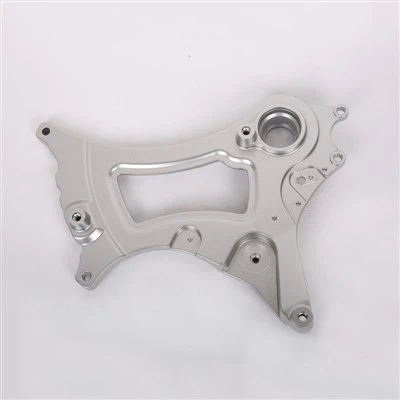
Hey there! As a supplier of Aluminium Alloy Flat Forks, I've seen firsthand how corrosion can be a real pain in the neck for these parts. Corrosion not only affects the appearance of the forks but also their performance and durability. In this blog, I'm gonna share some tips on how to prevent Aluminium Alloy Flat Fork from corrosion.
Understanding Aluminium Alloy Corrosion
Before we dive into the prevention methods, it's important to understand why aluminium alloy forks corrode in the first place. Aluminium is a reactive metal, and when it comes into contact with oxygen in the air, it forms a thin layer of aluminium oxide on its surface. This layer is actually protective and prevents further corrosion. However, in certain environments, this protective layer can be damaged, allowing corrosion to occur.
Some of the factors that can cause corrosion in aluminium alloy flat forks include:
- Moisture: Water is one of the main culprits when it comes to corrosion. When aluminium alloy forks are exposed to moisture for extended periods, the protective oxide layer can break down, leading to corrosion.
- Chemicals: Exposure to chemicals such as acids, alkalis, and salts can also cause corrosion. These chemicals can react with the aluminium alloy and damage the protective oxide layer.
- Temperature: Extreme temperatures can also affect the corrosion resistance of aluminium alloy forks. High temperatures can accelerate the corrosion process, while low temperatures can cause the metal to become brittle and more susceptible to damage.
Prevention Methods
Now that we know what causes corrosion in aluminium alloy flat forks, let's take a look at some prevention methods.
Surface Treatment
One of the most effective ways to prevent corrosion in aluminium alloy flat forks is through surface treatment. There are several surface treatment methods available, including:
- Anodizing: Anodizing is a process that involves creating a thicker and more durable oxide layer on the surface of the aluminium alloy. This layer provides excellent corrosion resistance and can also improve the appearance of the forks. You can learn more about anodized Aluminium Alloy Flat Forks here.
- Powder Coating: Powder coating is another popular surface treatment method. It involves applying a dry powder to the surface of the forks and then baking it to form a hard, protective coating. Powder coating provides good corrosion resistance and can also be customized to match different colors and finishes.
- Painting: Painting is a simple and cost-effective way to protect aluminium alloy flat forks from corrosion. A high-quality paint can provide a barrier between the metal and the environment, preventing moisture and chemicals from reaching the surface.
Proper Storage
Proper storage is also important for preventing corrosion in aluminium alloy flat forks. When storing the forks, make sure they are kept in a dry, clean environment. Avoid storing them in areas where they are exposed to moisture, chemicals, or extreme temperatures.
If you need to store the forks for an extended period, consider using a protective covering such as a plastic bag or a storage container. This can help to prevent dust, dirt, and moisture from accumulating on the surface of the forks.
Regular Maintenance
Regular maintenance is essential for keeping aluminium alloy flat forks in good condition and preventing corrosion. Here are some maintenance tips:
- Cleaning: Regularly clean the forks with a mild detergent and water. Avoid using abrasive cleaners or tools that can scratch the surface of the forks. After cleaning, make sure to dry the forks thoroughly to prevent moisture from remaining on the surface.
- Inspection: Periodically inspect the forks for signs of corrosion or damage. If you notice any signs of corrosion, such as rust spots or discoloration, take immediate action to prevent it from spreading.
- Lubrication: Lubricate the moving parts of the forks, such as the pivot points, to prevent friction and wear. This can also help to protect the metal from corrosion.
Environmental Control
Controlling the environment where the aluminium alloy flat forks are used can also help to prevent corrosion. Here are some environmental control tips:


- Avoid Exposure to Moisture: Try to keep the forks dry as much as possible. If the forks are used in a wet environment, such as in the rain or near water, make sure to dry them thoroughly after use.
- Protect from Chemicals: Avoid exposing the forks to chemicals such as acids, alkalis, and salts. If the forks come into contact with chemicals, clean them immediately with water to remove the chemicals.
- Control Temperature: Try to keep the forks in a temperature-controlled environment. Avoid exposing them to extreme temperatures, as this can affect the corrosion resistance of the metal.
Conclusion
Preventing corrosion in Aluminium Alloy Flat Forks is essential for ensuring their performance, durability, and appearance. By using surface treatment methods, proper storage, regular maintenance, and environmental control, you can significantly reduce the risk of corrosion and extend the lifespan of the forks.
If you're in the market for high-quality Aluminium Alloy Flat Forks or other die-casting parts such as Electric Scooter Rear Fork and Electric Scooter Swing Arm, feel free to reach out to us. We're always happy to discuss your needs and provide you with the best solutions.
References
- "Corrosion of Aluminium and Aluminium Alloys" - ASM International
- "Surface Treatment of Aluminium Alloys" - Springer