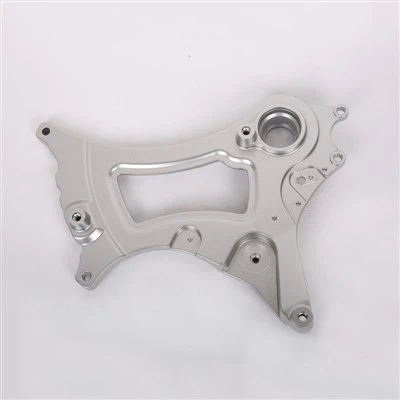
The lifespan of a motorcycle connecting plate is a crucial concern for both motorcycle enthusiasts and industry professionals. As a supplier of Motorcycle Connecting Plates, I've encountered numerous inquiries regarding this topic. In this blog, I'll delve into the factors that influence the longevity of motorcycle connecting plates and provide insights based on industry knowledge and experience.
Understanding the Motorcycle Connecting Plate
Before discussing its lifespan, it's essential to understand what a motorcycle connecting plate is and its role in a motorcycle. A motorcycle connecting plate, also known as a Motorcycle Connecting Board, is a vital component that connects different parts of the motorcycle, such as the engine, frame, or suspension. It plays a significant role in ensuring the stability, alignment, and smooth operation of the motorcycle.
These plates are typically made from high-quality materials such as steel, aluminum, or alloy, chosen for their strength, durability, and resistance to wear and tear. The manufacturing process involves precision engineering to ensure that the connecting plates meet the strict specifications and standards required for optimal performance.
Factors Affecting the Lifespan of a Motorcycle Connecting Plate
Several factors can influence how long a motorcycle connecting plate lasts. Here are some of the key factors to consider:
1. Material Quality
The quality of the material used in the manufacturing of the connecting plate is one of the most critical factors affecting its lifespan. High-quality materials are more resistant to corrosion, fatigue, and deformation, which can significantly extend the plate's life. For example, plates made from high-grade steel or aluminum alloys are generally more durable than those made from lower-quality materials.
2. Manufacturing Process
The manufacturing process also plays a crucial role in determining the lifespan of the connecting plate. Precision machining, heat treatment, and surface finishing techniques can enhance the plate's strength, hardness, and resistance to wear. A well-manufactured connecting plate will have fewer defects and a more uniform structure, which can improve its performance and longevity.
3. Riding Conditions
The riding conditions can have a significant impact on the lifespan of the connecting plate. Motorcycles that are frequently ridden on rough or uneven roads, in extreme weather conditions, or under heavy loads are more likely to experience increased stress and wear on the connecting plates. For example, off-road riding can subject the plates to more vibrations, shocks, and impacts, which can accelerate wear and tear.
4. Maintenance and Care
Proper maintenance and care are essential for ensuring the long lifespan of the motorcycle connecting plate. Regular inspections, cleaning, and lubrication can help prevent corrosion, rust, and damage to the plate. Additionally, timely replacement of worn or damaged parts can prevent further damage to the connecting plate and other components of the motorcycle.
5. Installation and Alignment
Correct installation and alignment of the connecting plate are crucial for its proper functioning and longevity. If the plate is not installed correctly or is misaligned, it can cause uneven stress distribution, which can lead to premature wear and failure. It's essential to follow the manufacturer's instructions and use the appropriate tools and techniques during installation.
Typical Lifespan of a Motorcycle Connecting Plate
The lifespan of a motorcycle connecting plate can vary significantly depending on the factors mentioned above. In general, a high-quality connecting plate that is properly maintained and used under normal riding conditions can last anywhere from 50,000 to 100,000 miles or more. However, in more demanding riding conditions or with improper maintenance, the lifespan may be significantly shorter.
It's important to note that these are just rough estimates, and the actual lifespan of the connecting plate may vary depending on the specific motorcycle model, usage patterns, and other factors. Regular inspections and maintenance are the best ways to determine the condition of the connecting plate and ensure its continued performance.
Signs of a Worn or Damaged Connecting Plate
It's essential to be aware of the signs of a worn or damaged connecting plate to prevent potential problems and ensure the safety of the motorcycle. Some common signs include:
- Vibrations or rattling noises: Excessive vibrations or rattling noises coming from the motorcycle can indicate a loose or damaged connecting plate.
- Uneven tire wear: If the tires are wearing unevenly, it could be a sign that the connecting plate is misaligned or damaged, causing the motorcycle to pull to one side.
- Difficulty steering or handling: A worn or damaged connecting plate can affect the motorcycle's steering and handling, making it more difficult to control.
- Visible damage or corrosion: Inspect the connecting plate regularly for any signs of visible damage, such as cracks, dents, or corrosion. If you notice any damage, it's important to have the plate replaced immediately.
Importance of Choosing a Reliable Supplier
When it comes to purchasing a motorcycle connecting plate, choosing a reliable supplier is crucial. A reputable supplier will offer high-quality products that are manufactured using the latest technology and meet the strictest industry standards. Additionally, a reliable supplier will provide excellent customer service, technical support, and warranty options to ensure your satisfaction.

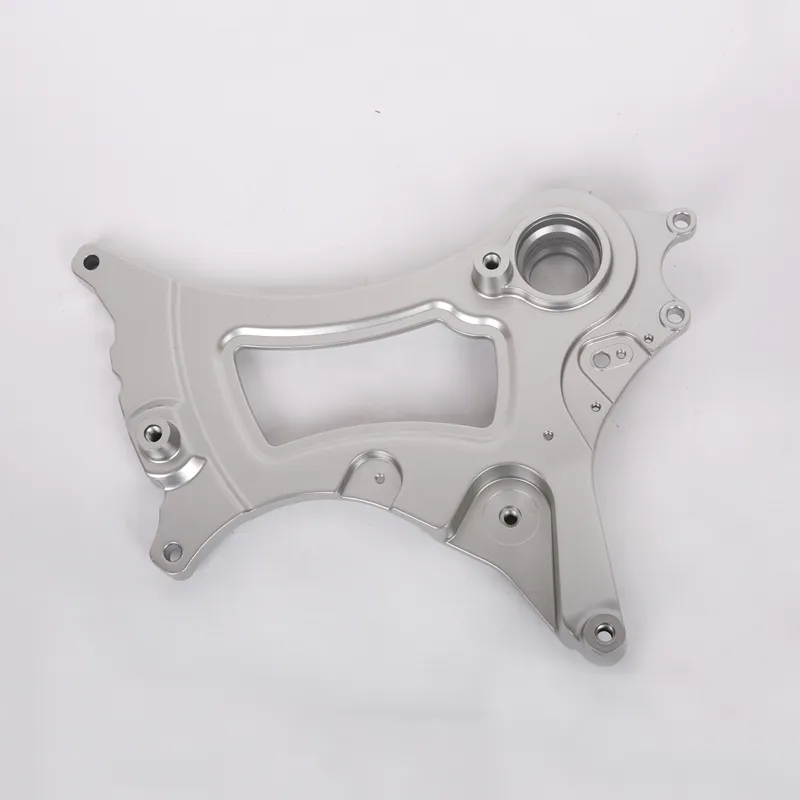
As a Motorcycle Connecting Plate supplier, we take pride in offering a wide range of high-quality connecting plates that are designed to meet the needs of motorcycle enthusiasts and professionals. Our plates are made from the finest materials and are manufactured using state-of-the-art techniques to ensure superior performance and durability.
Conclusion
In conclusion, the lifespan of a motorcycle connecting plate depends on several factors, including material quality, manufacturing process, riding conditions, maintenance, and installation. By choosing a high-quality connecting plate, following proper maintenance procedures, and riding under normal conditions, you can extend the lifespan of the plate and ensure the optimal performance of your motorcycle.
If you're in the market for a reliable motorcycle connecting plate, we invite you to explore our extensive product range. Our team of experts is always available to answer your questions and provide you with the best solutions for your motorcycle. Feel free to contact us to discuss your requirements and start a procurement negotiation.
References
- Motorcycle Industry Handbook
- Engineering Materials and Their Applications
- Motorcycle Maintenance Manuals