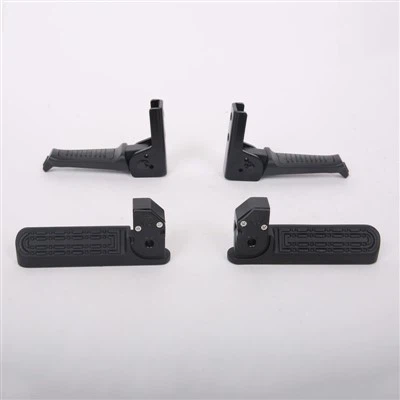
Hey there! As a supplier of Electric Scooter Rear Fork, I've spent a lot of time thinking about how different parts of an electric scooter impact its performance. One area that doesn't get as much attention as it should is how the rear fork affects the noise level of the scooter. In this blog, I'm gonna break down the connection between the electric scooter rear fork and the noise it makes.
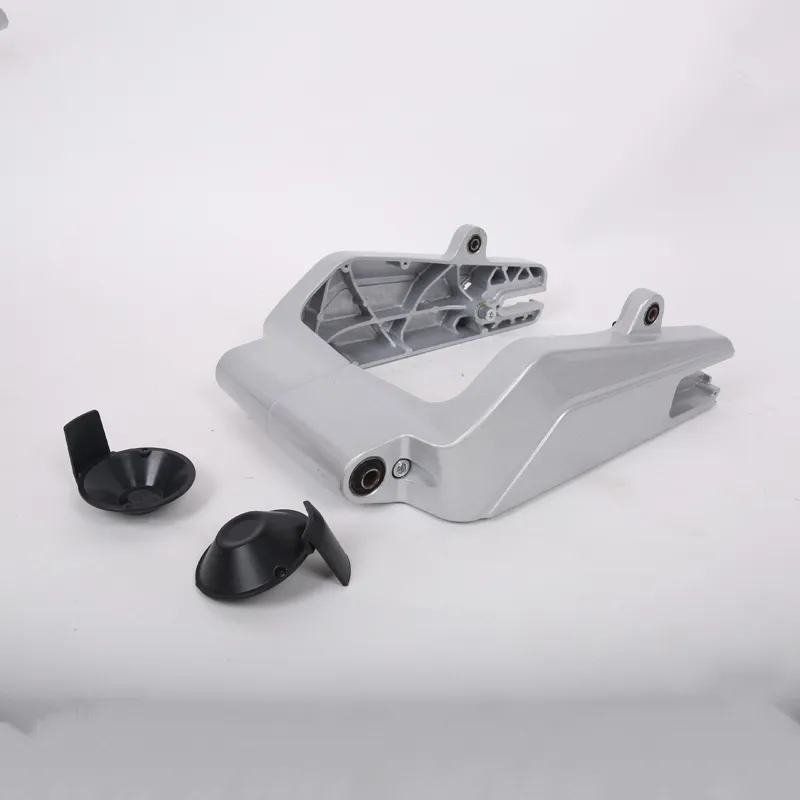
First off, let's talk about what the rear fork does. The rear fork is a crucial part of the scooter's frame. It holds the rear wheel in place and connects it to the rest of the scooter. There are different types of rear forks, like the Aluminium Alloy Flat Fork and the Electric Scooter Swing Arm. Each type has its own characteristics that can influence the noise level.
One of the main ways the rear fork affects noise is through its material. Most rear forks are made from metals like aluminum alloy. Aluminum is a popular choice because it's lightweight and strong. But different alloys can have different vibration - damping properties. A rear fork made from a high - quality aluminum alloy with good vibration - damping can reduce the amount of noise transferred from the rear wheel to the rest of the scooter. When the wheel hits bumps or uneven surfaces, it creates vibrations. If the rear fork can absorb these vibrations, it'll prevent them from turning into loud rattles and clanks.
On the other hand, a low - quality rear fork material might not dampen vibrations well. For example, if the alloy is too brittle or has a poor structure, it can act like a resonator, amplifying the vibrations and making the scooter noisier. So, when you're choosing a rear fork for your electric scooter, the material quality is super important.
The design of the rear fork also plays a big role in noise reduction. The shape and structure of the fork can determine how it distributes the forces and vibrations from the rear wheel. A well - designed rear fork will have a shape that allows for smooth movement and even distribution of forces. For instance, a rear fork with a proper curvature can better handle the up - and - down motion of the wheel when going over bumps. This reduces the sudden jolts and vibrations that can cause noise.
Some rear forks are designed with additional features to reduce noise. For example, some have rubber bushings or shock - absorbing elements built into them. These features can further dampen vibrations and prevent them from causing excessive noise. The Electric Scooter Swing Arm often has a more complex design that can better manage the movement of the rear wheel, which in turn can lead to a quieter ride.
Another factor is the installation of the rear fork. If the rear fork isn't installed correctly, it can cause all sorts of noise problems. A loose rear fork can rattle and shake, creating a constant annoying noise. The bolts and connections need to be tightened properly to ensure a secure fit. Also, the alignment of the rear fork is crucial. If it's not aligned correctly with the rear wheel, it can cause uneven wear on the wheel and create additional noise.
The quality of the manufacturing process also impacts the noise level. A rear fork that's made with precision and high - quality manufacturing techniques is likely to be quieter. For example, die - casting is a common method for making rear forks. A well - executed die - casting process can produce a rear fork with a uniform structure and fewer internal defects. These defects can act as weak points that cause vibrations to build up and result in noise.
Now, let's think about how the rear fork interacts with other parts of the scooter. The rear fork is connected to the frame and the rear wheel. If there's a poor connection between the rear fork and these other parts, it can create noise. For example, if the bearings in the rear wheel aren't compatible with the rear fork or if the connection between the rear fork and the frame is loose, it can lead to rattling and noise.
When it comes to the noise level of an electric scooter, the rear fork is just one piece of the puzzle. But it's an important one. A quiet electric scooter is not only more pleasant to ride but can also be a selling point for consumers. As a supplier of Electric Scooter Rear Fork, I understand the importance of providing high - quality rear forks that can help reduce noise.
If you're in the market for electric scooter rear forks, whether it's the Aluminium Alloy Flat Fork or the Electric Scooter Swing Arm, we've got you covered. We focus on using the best materials, precise manufacturing processes, and innovative designs to ensure that our rear forks can contribute to a quieter and more enjoyable riding experience.
If you're interested in learning more about our products or want to discuss your specific needs for electric scooter rear forks, don't hesitate to reach out. We're always happy to have a chat and help you find the right rear fork for your electric scooters. Let's work together to make your scooters quieter and more competitive in the market.
References

- Engineering Principles of Electric Vehicles, John Wiley & Sons
- Materials Science for Automotive Applications, Elsevier