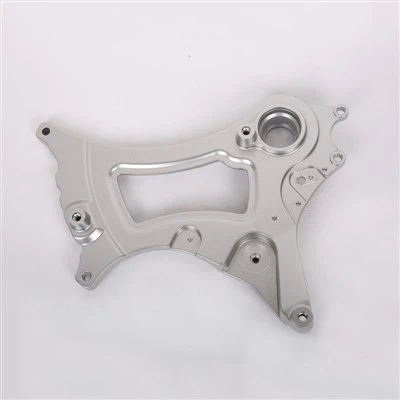
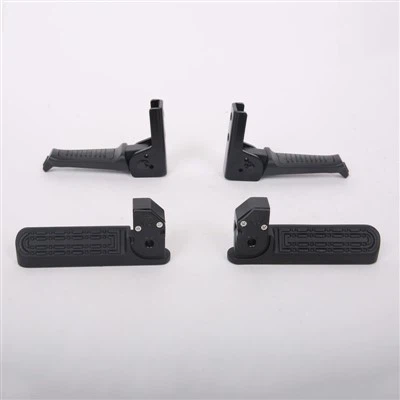
Hey there! I'm a supplier of connecting plates, and today I wanna chat about how these nifty little components perform in low - temperature environments.
First off, let's understand what a connecting plate is. It's a crucial part used in a wide range of applications, from industrial machinery to automotive and even Motorcycle Connecting Board and Motorcycle Connecting Plate. Its main job is to connect different parts together, ensuring smooth operation and proper alignment.
Now, when it comes to low - temperature environments, things can get a bit tricky. Low temperatures can have a significant impact on the physical and mechanical properties of materials, and connecting plates are no exception.
Material Behavior in the Cold
Most of the connecting plates we supply are made from metals like steel, aluminum, or alloys. Each of these materials reacts differently to cold temperatures.
Steel Connecting Plates
Steel is a popular choice for connecting plates because of its high strength and durability. But in low - temperature environments, steel can become more brittle. You see, as the temperature drops, the atoms in the steel lattice move less freely. This reduced atomic mobility makes it harder for the material to deform plastically when under stress. Instead of bending, the steel is more likely to crack.
For example, in a manufacturing plant where the temperature might drop during winter nights, a steel connecting plate used in a conveyor system could be at risk. If there's a sudden shock or load on the plate, it might develop cracks, which can lead to system failure.
Aluminum Connecting Plates
Aluminum, on the other hand, has a different behavior. It generally retains its ductility better than steel at low temperatures. However, its strength can decrease. The cold can slow down the movement of dislocations in the aluminum crystal structure, which affects its ability to resist deformation.
In an automotive application, say a Motorcycle Connecting Plate, if it's made of aluminum and the bike is ridden in cold weather, the plate might not be able to handle as much stress as it would in normal temperatures. This could potentially lead to premature wear or even breakage.
Alloy Connecting Plates
Alloys are designed to combine the best properties of different metals. Some alloys are specifically formulated to perform well in low - temperature environments. They can have a better balance of strength, ductility, and resistance to corrosion.
For instance, a nickel - steel alloy might be used for connecting plates in Arctic oil drilling equipment. The nickel helps to improve the toughness of the steel at low temperatures, reducing the risk of brittle fracture.
Impact on Performance
The changes in material properties due to low temperatures can have several impacts on the performance of connecting plates.
Structural Integrity
As mentioned earlier, the risk of cracking and breakage increases in cold conditions. This directly affects the structural integrity of the system where the connecting plate is used. If a connecting plate fails, it can cause the entire structure or machine to malfunction.
Imagine a bridge that uses connecting plates to join its steel girders. In cold weather, if these plates crack, it could compromise the safety of the bridge. Regular inspections and the use of appropriate materials are crucial to prevent such disasters.
Connection Stability
Low temperatures can also affect the connection stability. The expansion and contraction of materials due to temperature changes can cause the fasteners (like bolts and nuts) used to attach the connecting plate to loosen.
In a building's steel framework, for example, if the connecting plates are not properly tightened after a temperature drop, it can lead to a loss of structural stability. This is why proper installation and maintenance procedures are so important, especially in areas with large temperature variations.
Corrosion Resistance
Cold environments can sometimes be associated with high humidity or the presence of salt (like in coastal areas or on roads treated with de - icing salts). These conditions can accelerate corrosion of the connecting plates.
Even though some materials are more corrosion - resistant than others, the cold can still slow down the protective processes that occur on the surface of the metal. For example, the formation of a passive oxide layer on aluminum might be hindered in cold, wet conditions, making the plate more vulnerable to corrosion.
Solutions and Considerations
So, what can we do to ensure that our connecting plates perform well in low - temperature environments?
Material Selection
Choosing the right material is crucial. As a supplier, I always recommend using materials that are specifically designed for low - temperature applications. For example, if the application requires high strength and toughness in the cold, a low - alloy steel with good impact resistance might be a better choice than regular carbon steel.
Coating and Surface Treatment
Applying a protective coating to the connecting plates can significantly improve their corrosion resistance. Coatings like zinc plating or epoxy paint can act as a barrier between the metal and the corrosive environment.

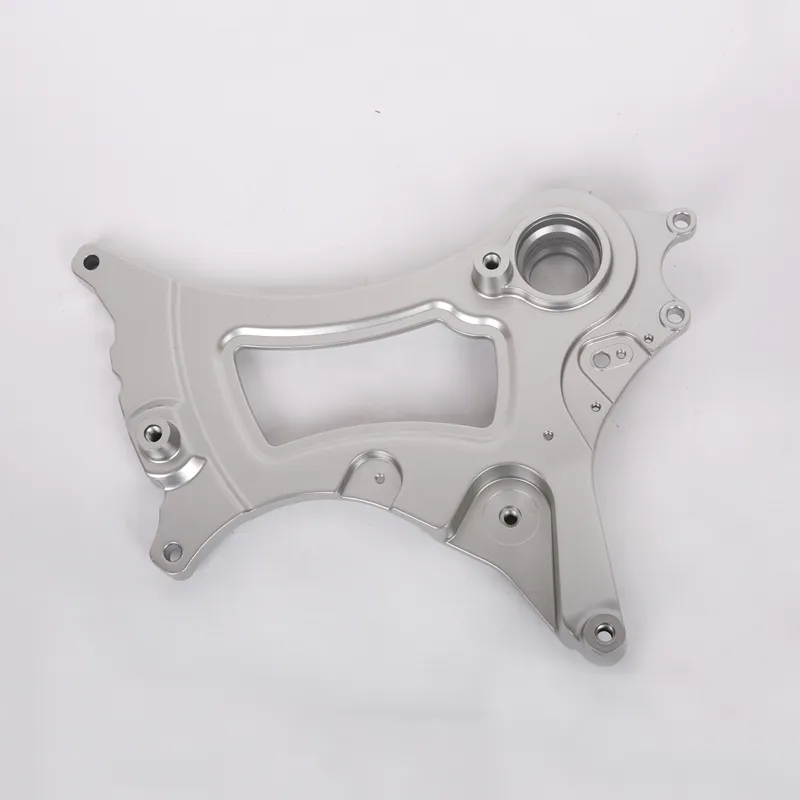
In addition, some surface treatments can improve the mechanical properties of the material. For example, shot peening can introduce compressive stresses on the surface of the plate, which can help to prevent crack initiation.
Design Modifications
The design of the connecting plate can also be optimized for low - temperature performance. For example, using thicker plates or adding reinforcement ribs can increase the plate's strength and resistance to cracking.
Another design consideration is the use of flexible connections. This can help to accommodate the expansion and contraction of materials due to temperature changes, reducing the stress on the connecting plate.
Conclusion
In conclusion, low - temperature environments pose unique challenges to the performance of connecting plates. The changes in material properties can affect the structural integrity, connection stability, and corrosion resistance of these components. However, by carefully selecting the right materials, applying appropriate coatings and surface treatments, and making design modifications, we can ensure that our connecting plates perform reliably in cold conditions.
If you're in the market for high - quality connecting plates that can withstand low - temperature environments, I'd love to have a chat with you. Whether you need Motorcycle Connecting Board or plates for industrial machinery, we've got you covered. Just reach out, and we can start discussing your specific requirements.
References
- ASM Handbook Volume 1: Properties and Selection: Irons, Steels, and High - Performance Alloys
- "Metals Handbook: Properties and Selection - Nonferrous Alloys and Pure Metals" by ASM International
- "Engineering Materials 1: An Introduction to Properties, Applications, and Design" by Michael F. Ashby and David R. H. Jones