Hey there, fellow motorcycle enthusiasts! As a motorcycle pedal supplier, I get asked a lot about how to check if a motorcycle pedal has a good grip. It's a crucial question because a pedal with a poor grip can be a real safety hazard. You don't want your foot slipping off the pedal while you're cruising down the road, right? So, let's dive into some practical ways to check the grip of your motorcycle pedals.
Visual Inspection
The first thing you can do is a simple visual inspection. Take a close look at the surface of the pedal. A good - quality pedal should have a textured surface. This texture is what provides the grip. Look for patterns like grooves, ridges, or raised dots. These features help to increase the friction between your boot and the pedal.
If the pedal looks smooth or has a shiny, polished surface, it might not offer the best grip. Over time, pedals can wear down, and the texture can become less pronounced. Check for any signs of excessive wear, such as flat spots or areas where the texture has been worn away. If you notice these signs, it might be time to replace the pedal.
Material Matters
The material of the pedal also plays a big role in its grip. Different materials have different levels of friction. For example, rubber - coated pedals tend to have a good grip because rubber is a material that provides high friction. It conforms to the shape of your boot to some extent, which helps to keep your foot in place.
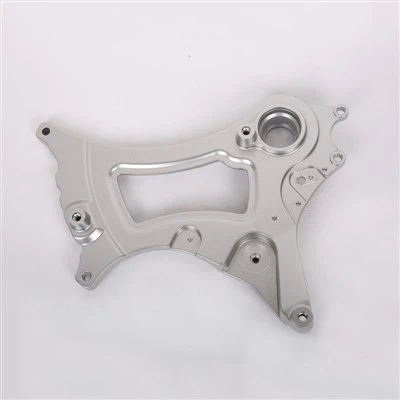
On the other hand, metal pedals can vary. Some aluminum pedals, like the Aluminum Motorcycle Footrest, can be treated to have a textured surface for better grip. However, if the aluminum is smooth and untreated, it might be slippery, especially when wet.
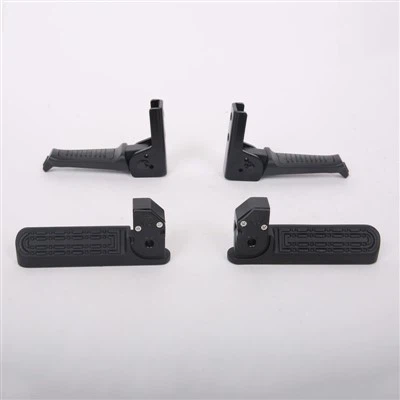
Plastic pedals are another option. They can be lightweight, but their grip can depend on the quality of the plastic and the surface treatment. Some high - quality plastic pedals are designed with a grippy texture, but cheaper ones might not offer the same level of safety.
Wet Weather Test
One of the most challenging conditions for pedal grip is wet weather. Water can reduce the friction between your boot and the pedal, making it more likely for your foot to slip. To test how well your pedal performs in wet conditions, you can do a simple at - home test.
Get a spray bottle filled with water and spray the pedal until it's wet. Then, put on your riding boots and try to stand on the pedal. Move your foot around a bit, as if you're shifting your weight while riding. Pay attention to how much your foot slips. If it slides around easily, the pedal might not have a good grip in wet conditions.
This is where rubber - coated or well - textured pedals really shine. They tend to maintain their grip better in wet weather compared to smooth metal or plastic pedals. If you live in an area with a lot of rain or if you often ride in wet conditions, it's especially important to choose a pedal that performs well when wet.
Boot Compatibility
The type of boots you wear also affects the grip on the pedal. Different boots have different soles, and some soles are more grippy than others. For example, boots with a thick, rubber sole are generally better for grip than boots with a thin, smooth sole.
When you're testing the pedal grip, make sure you're wearing the boots you usually ride with. This will give you a more accurate idea of how well the pedal and your boots work together. If you find that the grip is poor, it could be a combination of the pedal and the boots. You might need to consider upgrading either the pedal or the boots, or both.
Tug and Pull Test
Another way to check the grip is to do a tug and pull test. Stand on the pedal with your normal riding stance. Then, try to pull your foot off the pedal with a bit of force, as if you're trying to quickly move your foot in an emergency situation.
If your foot comes off the pedal easily, it's a sign that the grip is not good enough. A good pedal should hold your foot in place even when you apply some pulling force. However, be careful not to overdo it and injure yourself during this test.


Aftermarket Pedals
If you're not satisfied with the grip of your stock pedals, you might want to consider aftermarket pedals. There are many options available on the market, such as the Electric Scooter Footrest and Electric Scooter Foot Pedal. These pedals are often designed with better grip in mind.
When choosing aftermarket pedals, look for ones that are specifically designed for your motorcycle model. They should fit properly and be easy to install. Read reviews from other riders to get an idea of how well the pedals perform in terms of grip and durability.
Regular Maintenance
Even if you have a pedal with a good grip, regular maintenance is important to keep it that way. Over time, dirt, grime, and oil can build up on the pedal surface, reducing its grip. You can clean your pedals regularly with a mild detergent and a brush. Make sure to dry them thoroughly after cleaning.
Also, check the pedals for any loose parts or signs of damage. If a pedal is loose, it can affect the way it grips your foot. Tighten any loose bolts or screws to ensure the pedal is secure.
Conclusion
Checking the grip of your motorcycle pedal is an important part of motorcycle safety. By doing a visual inspection, considering the material, testing in wet conditions, checking boot compatibility, and doing a tug - and - pull test, you can get a good idea of how well your pedal grips.
If you're in the market for new pedals, we're here to help. As a motorcycle pedal supplier, we offer a wide range of high - quality pedals that are designed to provide excellent grip. Whether you need an Electric Scooter Footrest, an Electric Scooter Foot Pedal, or an Aluminum Motorcycle Footrest, we've got you covered.
If you're interested in our products or have any questions, feel free to reach out for a purchase negotiation. We're looking forward to working with you to enhance your riding experience.
References
- Motorcycle Rider's Handbook, various editions
- Online motorcycle forums and communities
- Manufacturer's specifications for motorcycle pedals