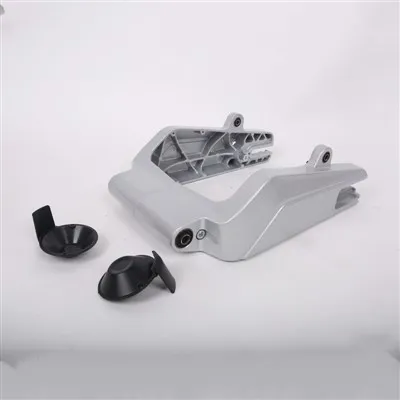
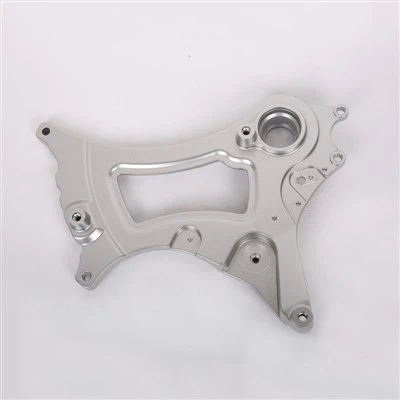
If you’re in the market for high-performance forged metal parts, you’ve probably wrestled with the aluminum alloy vs. titanium forging debate. As someone who’s spent the last 12 years running an aluminum alloy forging shop, I’ve fielded this question thousands of times—from aerospace engineers building jet components to bike makers fine-tuning race frames. It’s not a one-size-fits-all answer, but breaking down the basics, real-world use cases, and tradeoffs will help you make the right call for your project.

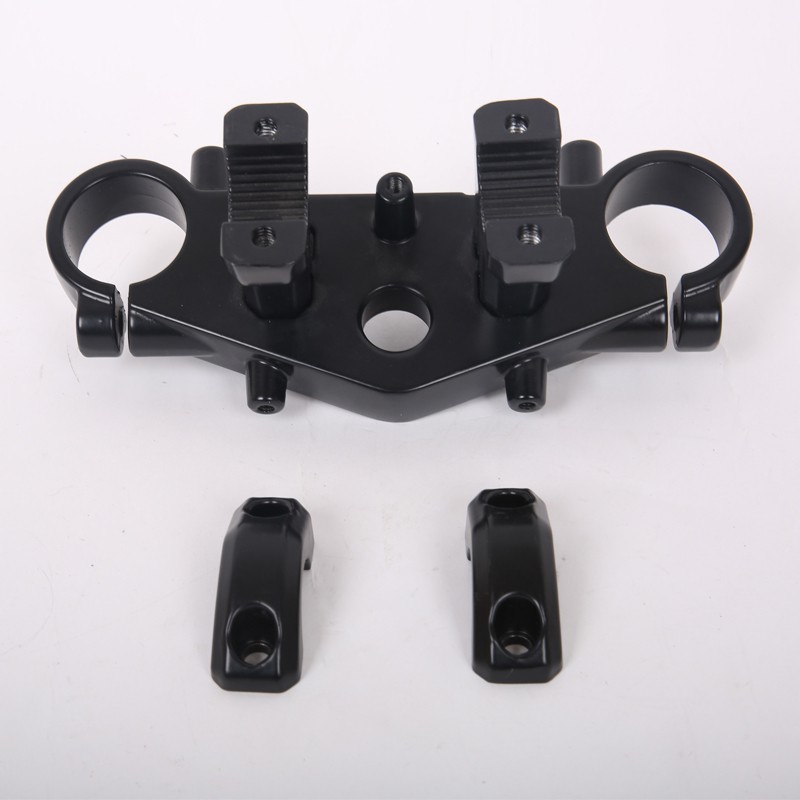
First, let’s get the basics straight: forging is all about shaping metal under intense pressure, right? It aligns the grain structure, which makes the part way stronger than a cast or machined equivalent. When it comes to aluminum alloy vs. titanium forgings, the biggest differences boil down to weight, strength, cost, corrosion resistance, and how easy (or not) they are to work with.
Let’s start with weight, because that’s usually the first thing anyone cares about. Aluminum is way less dense than titanium—roughly a third lighter. A 1-foot square block of 6061 aluminum weighs about 1.7 pounds, same size in Ti-6Al-4V (the most common titanium alloy) clocks in at 4.5 pounds. That might not sound like much until you’re building a drone that needs to fly for 3 hours vs. 1 hour, or a car part that shaves 50 pounds off the curb weight for better fuel efficiency. If weight is non-negotiable, aluminum’s the clear winner—especially when you check out options like Aluminum Alloy Liquid Forging, which uses a semi-solid process to cut out extra material and keep parts lightweight without losing strength.
Strength? Don’t get me wrong, titanium has higher tensile strength—usually around 130,000 psi for Ti-6Al-4V vs. 45,000 to 80,000 psi for common aluminum alloys like 6061 or 7075. But here’s the catch: strength-to-weight ratio matters way more than raw strength. Aluminum’s lower density means its strength-to-weight is actually competitive, even better than titanium for some applications. For example, a 7075 aluminum forging is 50% lighter than a titanium forging with the same strength. For parts like aircraft brackets or bicycle stems, that extra lightness is a game-changer that makes aluminum a no-brainer, unless you need titanium’s extreme heat resistance.
Cost is another big pain point, and this is where aluminum crushes titanium. Titanium is a rare metal, and it’s way harder to process—forging titanium requires way higher heat, specialized tools, and slower production times because it’s prone to cracking if you rush it. I’ve seen titanium forging runs cost 3 to 10 times more than aluminum for the same part size. Even with a liquid forging process that reduces material waste, Aluminum Alloy Forgings still come in way cheaper than their titanium counterparts. That’s a huge factor for budget-focused projects, like consumer electronics or mass-produced auto parts, where every dollar adds up.
Corrosion resistance? Titanium gets all the hype for being rust-proof, but that’s not the whole story. Titanium does form a tough oxide layer, which is great for harsh environments like saltwater or chemical plants. But most aluminum alloys—especially the ones we use in our shop, like 5052 or 6061—form their own oxide layer too. Sure, it’s not as tough as titanium’s, but it’s enough for most everyday uses: bike parts, car components, even outdoor equipment. If you’re working in a super corrosive spot (like a offshore oil rig part), titanium might be better, but for 90% of standard applications, aluminum holds its own. We also offer anodizing for aluminum parts that boosts corrosion resistance even more—way cheaper than the surface treatments titanium needs.
Machinability and production speed? Let’s be real, if you need a part fast, aluminum is the way to go. It’s softer, so cutting, drilling, and finishing is way easier. We can turn around an aluminum forging order in 2 to 3 weeks, vs. 6 to 8 weeks for a titanium forging. Titanium’s hardness also means it wears out cutting tools way faster, which adds to production time and costs. For prototyping—when you need a part to test in a week—aluminum is your go-to. That’s why so many automotive teams use aluminum forgings for prototype parts before switching to titanium if needed for the final model.
Wait, what about high heat? That’s where titanium shines. Aluminum starts to lose strength around 200°C (392°F), so if your part is going to be near a jet engine or a race car’s exhaust, titanium can handle way higher temps without deforming. It doesn’t melt until around 1660°C (3020°F), vs. aluminum’s melting point of 660°C (1220°F). So if heat resistance is your top priority, titanium is the clear pick. But for parts that don’t see extreme heat—like phone frames, bicycle parts, or grocery cart hardware—aluminum is totally fine.
I’ve seen this play out first-hand. A few years back, a mountain bike company came to us wanting a replacement for their titanium seat post clamp. They’d been using titanium because it was light, but it kept slipping on their carbon fiber frames. We forged a 7075 aluminum version, anodized it black, and it was 40% lighter than titanium, way cheaper, and didn’t slip at all. They switched entirely, and we still make those clamps today. On the flip side, an aerospace client once asked for an aluminum bracket for a satellite component, but we had to turn them down—they needed a part that could withstand the extreme heat and radiation of space, which aluminum just can’t handle.
Another thing: recyclability. Aluminum is one of the most recyclable metals out there—you can melt it down and reuse it infinitely without losing strength. Titanium is recyclable too, but the process is way more energy-intensive and expensive. For companies focused on sustainability, aluminum is a way greener choice, and that’s a big selling point for a lot of our customers.
Let’s wrap this up with some real talk. If you’re building something where weight is key, cost matters, it’s not exposed to extreme heat, and you need it fast—aluminum alloy forgings are the way to go. If you need extreme heat resistance, the absolute highest strength, or you’re working in a super corrosive environment, titanium makes sense. But don’t sleep on aluminum’s options—especially Aluminum Alloy Liquid Forging which lets us make parts with even better grain structure and less waste.
At the end of the day, the best choice depends on your specific project. If you’re not sure, reach out to us. We’ve been doing this for years, and we can help you pick the right material, process, and part for your needs. No pushy sales, no confusing jargon—just straight answers about what works best for you.
References
- "Aluminum vs. Titanium: Key Differences in Forging Applications." Forging Magazine, 2022.
- Davis, J.R. Metals Handbook: Forging and Forming. ASM International, 2005.
- "Strength-to-Weight Ratios of Common Forging Alloys." Aerospace Engineering Journal, 2021.
- Recycling Rates of Non-Ferrous Metals. World Aluminum Organization, 2023.
- Ti-6Al-4V Titanium Alloy Properties. Titanium Industries, 2022.