


Hey there, fellow motorcycle enthusiasts and industry folks! I'm a supplier of Motorcycle Connecting Boards, and today, I want to dig deep into a question that often pops up in our line of work: Do motorcycle connecting boards need to be insulated?
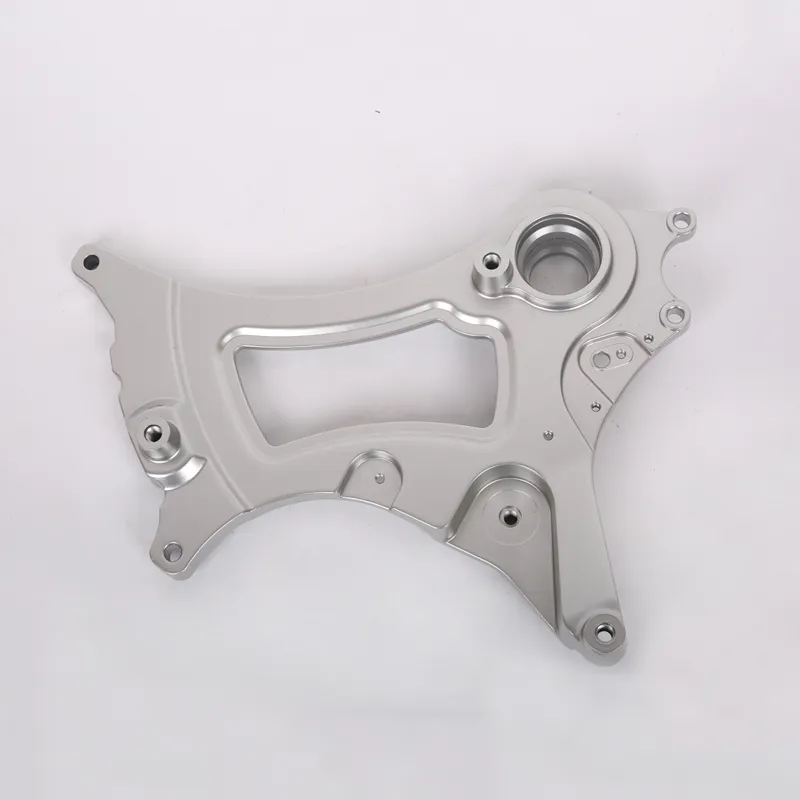
First off, let's quickly understand what a Motorcycle Connecting Board is. You can check out more about it here: Motorcycle Connecting Board. These boards play a crucial role in a motorcycle's electrical system. They're like the traffic controllers, making sure that electricity flows smoothly between different components of the bike.
Now, insulation. Insulation is all about preventing the flow of electricity where it's not supposed to go. In the context of motorcycle connecting boards, insulation can serve several important functions.
One of the main reasons for insulation is safety. Motorcycles operate in all sorts of conditions - from scorching heat to freezing cold, and from dry deserts to rainy roads. Without proper insulation, there's a risk of short - circuits. A short - circuit can cause a sudden surge of electricity, which might damage the electrical components of the motorcycle. It could even lead to a fire in extreme cases. Imagine riding down the road, and suddenly, your bike's electrical system goes haywire because of a short - circuit. That's not only dangerous but also a huge headache to fix.
Another aspect is electrical interference. In modern motorcycles, there are a lot of electronic components working together. These components generate electromagnetic fields. If the connecting boards aren't insulated, these electromagnetic fields can interfere with each other. This interference can cause malfunctions in things like the bike's ignition system, fuel injection system, or even the dashboard display. You might start seeing weird readings on your speedometer or have trouble starting the engine.
Let's talk about the materials used for insulation. There are several types of insulation materials available. Some common ones include plastics and rubber. These materials are great because they're good electrical insulators, and they're also relatively cheap and easy to work with. For example, a plastic coating on a connecting board can provide a barrier against electrical currents. Rubber gaskets can be used to seal the edges of the board, preventing moisture and dirt from getting in and causing electrical problems.
But here's the thing - not all motorcycle connecting boards need to be insulated. It really depends on the design and function of the board. Some connecting boards are used in low - voltage circuits where the risk of short - circuits and electrical interference is minimal. In these cases, insulation might not be necessary. For instance, if a connecting board is only used to connect a simple accessory like a small LED light, which operates on a very low voltage, insulation might be overkill.
On the other hand, if the connecting board is part of a high - voltage circuit, like the ignition system, insulation is a must. The ignition system needs to generate a high - voltage spark to ignite the fuel in the engine. Without proper insulation, this high - voltage electricity could leak out, causing misfires or other ignition problems.
As a supplier of Motorcycle Connecting Boards, I've seen a wide range of requirements from different customers. Some motorcycle manufacturers are very strict about insulation standards. They want their bikes to be as safe and reliable as possible, so they specify high - quality insulation for all their connecting boards. Other customers, especially those in the aftermarket or for custom - built motorcycles, might have more flexible requirements.
We also offer Motorcycle Connecting Plate, which is another important component in the motorcycle's structure. Connecting plates are often used to connect different mechanical parts of the bike, and while they don't usually deal with electricity directly, they still need to be made of high - quality materials to ensure durability and proper functioning.
When it comes to manufacturing Motorcycle Connecting Boards, we take insulation seriously. We use advanced manufacturing techniques to ensure that the insulation is applied evenly and effectively. We test our boards rigorously to make sure they meet the highest standards of safety and performance. Whether it's a small, low - voltage board or a large, high - voltage one, we make sure that it's built to last.
So, to answer the question "Do motorcycle connecting boards need to be insulated?", it's a bit of a yes and no. It depends on the specific application of the board. But in general, for the safety and proper functioning of a motorcycle's electrical system, insulation is a good idea, especially for high - voltage and complex circuits.
If you're in the market for Motorcycle Connecting Boards or Connecting Plates, we'd love to have a chat with you. We can discuss your specific needs and provide you with the best solutions for your motorcycle projects. Whether you're a motorcycle manufacturer, an aftermarket parts supplier, or a custom - bike builder, we're here to help. Contact us to start a procurement discussion, and let's work together to make your motorcycles even better.
References

- Electrical Engineering Handbook for Motorcycle Components
- Motorcycle Design and Manufacturing Best Practices Guide
- Safety Standards for Motorcycle Electrical Systems


