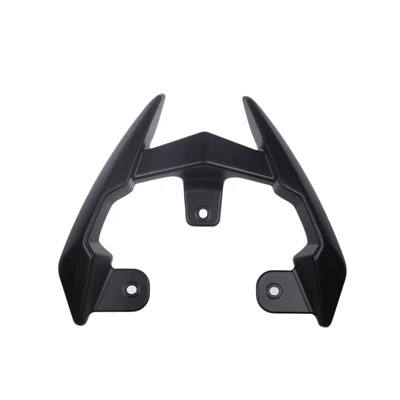
As a supplier of Aluminium Alloy Flat Forks, I often get asked if these nifty components can be used in marine applications. Well, let's dive right into this topic and figure out if our Aluminium Alloy Flat Forks are a good fit for the salty, wet world of the sea.
Understanding Aluminium Alloy Flat Forks
First off, let me give you a quick rundown on what Aluminium Alloy Flat Forks are. These are parts that are commonly used in various vehicles, especially Electric Scooter Rear Fork and Electric Scooter Swing Arm. They're made from aluminium alloy, which is a combination of aluminium with other elements like copper, magnesium, or zinc. This alloying process gives the forks enhanced properties such as strength, durability, and light - weight.
The flat design of these forks is quite unique. It offers a different kind of stability and load - bearing capacity compared to other fork designs. And because they're made of aluminium alloy, they're corrosion - resistant to a certain extent, which is a big plus in many applications.
The Demands of Marine Applications
Marine environments are tough. The constant exposure to saltwater, high humidity, and extreme weather conditions can take a toll on any material. Saltwater is highly corrosive, and it can cause metals to rust and deteriorate quickly. High humidity can lead to the formation of condensation, which further accelerates the corrosion process. And let's not forget about the physical stress that marine equipment has to endure, like waves, tides, and the weight of the vessel itself.
So, when considering using Aluminium Alloy Flat Forks in marine applications, we need to assess how well they can stand up to these harsh conditions.
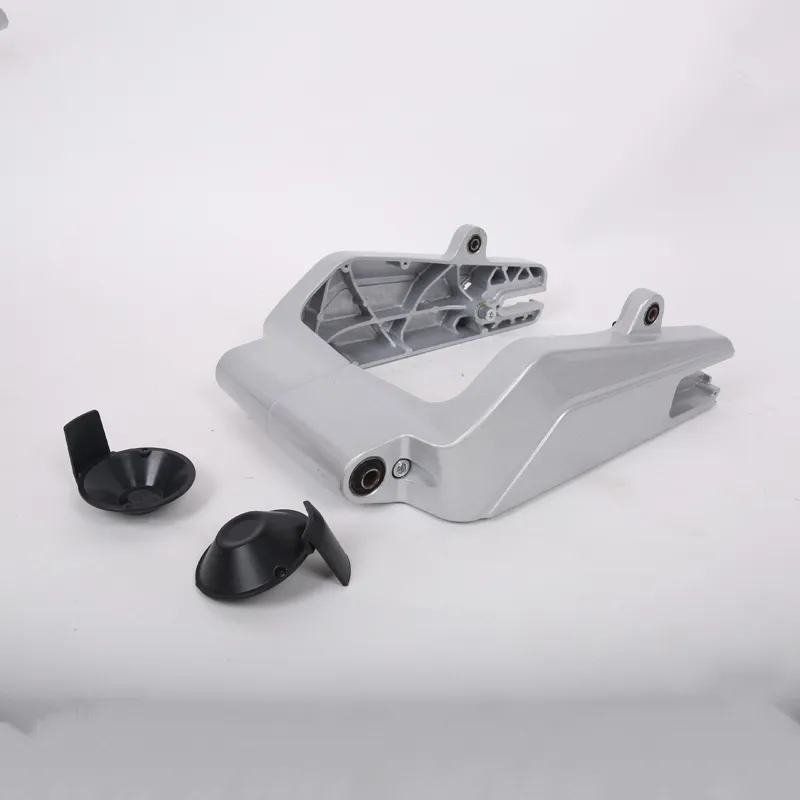

Corrosion Resistance
One of the key factors in determining the suitability of Aluminium Alloy Flat Forks for marine use is their corrosion resistance. Aluminium naturally forms a thin oxide layer on its surface when exposed to air. This layer acts as a protective barrier against corrosion. However, in a marine environment, the salt in the water can break down this oxide layer, leaving the aluminium vulnerable to corrosion.
But here's the good news. Many aluminium alloys are treated with special coatings or surface treatments to enhance their corrosion resistance. For example, anodizing is a common process where the aluminium is submerged in an electrolyte solution and an electric current is passed through it. This creates a thicker and more durable oxide layer on the surface of the aluminium, which can better withstand the corrosive effects of saltwater.
Our Aluminium Alloy Flat Fork products are designed with these corrosion - prevention measures in mind. We use high - quality alloys and advanced surface treatment techniques to ensure that they have a good level of corrosion resistance. However, it's important to note that no material is completely immune to corrosion in a marine environment. Regular maintenance and inspections are still necessary to keep the forks in good condition.
Strength and Durability
In addition to corrosion resistance, the strength and durability of Aluminium Alloy Flat Forks are also crucial in marine applications. The forks may have to support heavy loads, such as the weight of equipment or cargo on a boat. They also need to withstand the constant vibrations and impacts caused by the movement of the vessel in the water.
Aluminium alloys are known for their high strength - to - weight ratio. This means that they can provide a good amount of strength while still being relatively light. The flat design of our forks also contributes to their strength. The flat shape distributes the load evenly across the fork, reducing the stress on any one point.
However, the long - term durability of these forks in a marine environment depends on how well they are designed and manufactured. We use precision die - casting techniques to ensure that our forks have a consistent and high - quality structure. This helps to minimize the risk of cracks or weak points that could lead to failure over time.
Compatibility with Other Marine Components
When using Aluminium Alloy Flat Forks in marine applications, it's also important to consider their compatibility with other components of the marine equipment. For example, if the forks are going to be attached to a vessel, they need to be able to connect securely with the existing mounting points.
Aluminium alloys can be easily machined and fabricated, which means that we can customize our forks to fit different marine equipment. We can also provide different types of finishes and coatings to ensure that the forks are compatible with other materials in the marine environment. For instance, if the vessel has a painted surface, we can apply a coating to the forks that will not react with the paint.
Real - World Examples
There are already some real - world examples of aluminium alloy components being used in marine applications. For example, some small boats use aluminium alloy frames and brackets because of their light weight and corrosion resistance. And while I haven't seen a huge number of Aluminium Alloy Flat Forks being used in large - scale marine applications yet, there's no reason why they couldn't be used in smaller, more specialized marine equipment.
For instance, they could be used in some types of fishing gear or in small - scale watercraft where weight and corrosion resistance are important factors.
Considerations and Limitations
Of course, there are some limitations to using Aluminium Alloy Flat Forks in marine applications. As I mentioned earlier, no material is completely corrosion - proof in a marine environment. Even with the best surface treatments, the forks will still require regular maintenance to prevent corrosion.
Another consideration is the cost. Aluminium alloys can be more expensive than some other materials, especially when you factor in the cost of the surface treatments and manufacturing processes. So, for some marine applications where cost is a major concern, Aluminium Alloy Flat Forks may not be the most economical choice.
Conclusion
So, can Aluminium Alloy Flat Forks be used in marine applications? The answer is yes, but with some caveats. They offer a good combination of corrosion resistance, strength, and light weight, which makes them a viable option for certain marine applications. However, they do require proper maintenance and may not be suitable for all marine environments or applications due to cost and other factors.
If you're interested in using Aluminium Alloy Flat Forks in your marine projects, I'd love to have a chat with you. We can discuss your specific requirements and see if our products are the right fit for you. Whether you need a custom - designed fork or just want to learn more about our products, feel free to reach out and start a conversation about potential procurement.
References
- ASM Handbook Volume 13A: Corrosion: Fundamentals, Testing, and Protection.
- Marine Corrosion: Causes, Prevention, and Control by George S. Frankel.
- Aluminium Alloys: Structure and Properties by H. Jones.