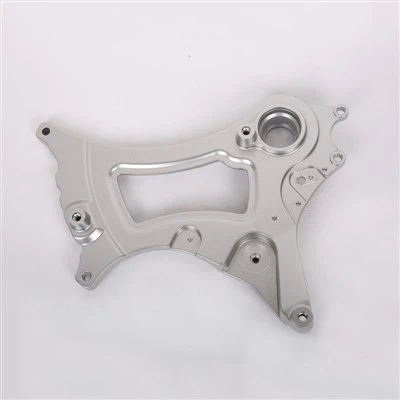
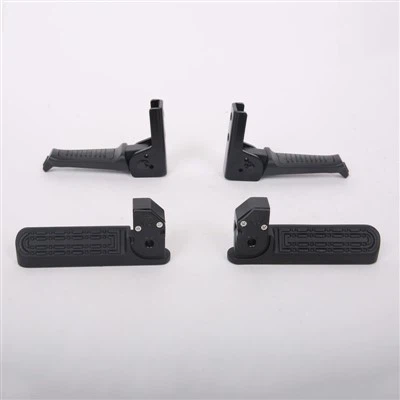
Hey there! As a supplier of Aluminium Alloy Flat Forks, I often get asked if these nifty pieces can be used in chemical - processing industries. Well, let's dig into this topic and find out.
First off, let's talk a bit about what Aluminium Alloy Flat Forks are. These are components made from aluminium alloys, which are mixtures of aluminium with other elements like copper, magnesium, silicon, and zinc. The flat design gives them a unique shape that's useful in various applications. You can check out more about them on our website Aluminium Alloy Flat Fork.
Now, let's look at the chemical - processing industries. These industries deal with all sorts of chemicals, from acids and bases to solvents and reactive compounds. The equipment used in these industries needs to be able to withstand harsh chemical environments, high temperatures, and sometimes high pressures.
One of the key advantages of aluminium alloys is their corrosion resistance. Aluminium forms a thin, protective oxide layer on its surface when exposed to air. This layer acts as a barrier, preventing further oxidation and protecting the metal beneath. In many chemical - processing scenarios where the chemicals aren't extremely aggressive, this corrosion - resistant property can be a big plus.
For example, in some mild - acid or mild - base environments, an Aluminium Alloy Flat Fork might hold up just fine. The flat design could be useful for handling or transporting materials within the processing facility. It could be part of a conveyor system or used to move containers around.
However, not all chemicals are friendly to aluminium alloys. Strong acids, such as hydrochloric acid and sulfuric acid, can react with the aluminium oxide layer and dissolve it. Once the protective layer is gone, the underlying aluminium can react vigorously with the acid, leading to rapid corrosion. Similarly, strong alkalis can also cause problems for aluminium alloys.
Another factor to consider is temperature. In chemical - processing industries, high - temperature operations are common. Aluminium alloys have a relatively low melting point compared to some other metals. If the processing involves very high temperatures, the Aluminium Alloy Flat Fork might deform or even melt, which is obviously a no - go.
Pressure is also a concern. Some chemical processes are carried out under high pressure. Aluminium alloys have a certain strength, but they may not be suitable for applications where extremely high pressures are involved. If the pressure is too high, the flat fork could bend or break, leading to equipment failure and potential safety hazards.

But it's not all doom and gloom. There are ways to make aluminium alloys more suitable for chemical - processing applications. Surface treatments can be applied to enhance the corrosion resistance of the alloy. For example, anodizing is a process that thickens the protective oxide layer, making it more resistant to chemical attack. Coatings can also be used to provide an additional barrier between the alloy and the chemicals.
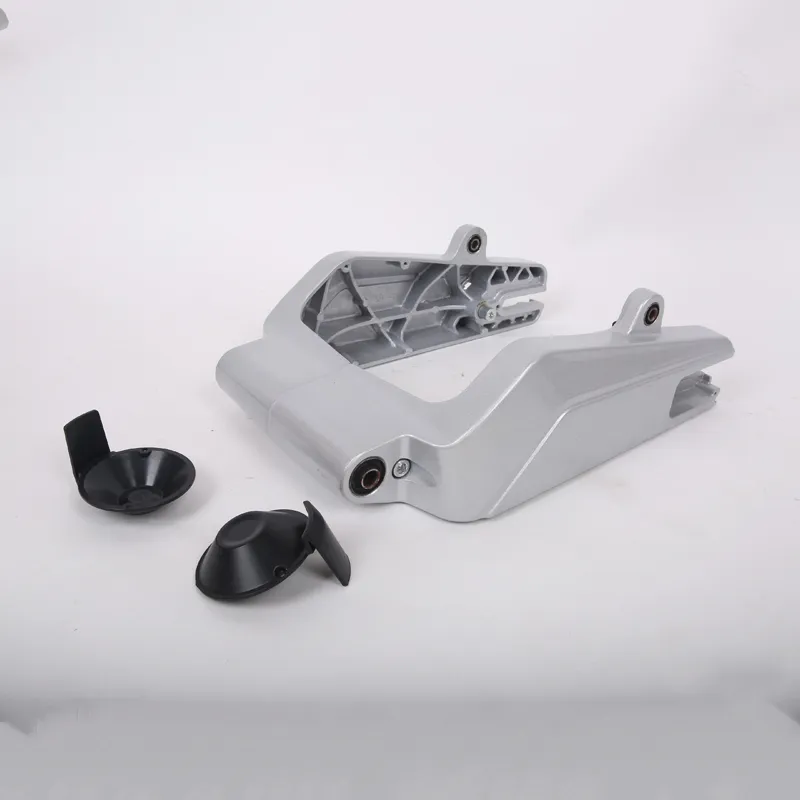
Let's take a step back and look at some alternative uses for Aluminium Alloy Flat Forks outside of the chemical - processing industries. They are widely used in the electric scooter industry. You can check out our Electric Scooter Rear Fork and Electric Scooter Swing Arm on our website. In electric scooters, the flat fork design provides stability and support, and the lightweight nature of aluminium alloys helps to keep the overall weight of the scooter down, improving its performance and battery life.
So, can Aluminium Alloy Flat Forks be used in chemical - processing industries? The answer is, it depends. In some mild chemical environments with reasonable temperature and pressure conditions, they can be a viable option, especially if proper surface treatments are applied. But in harsher chemical, high - temperature, or high - pressure scenarios, other materials might be more suitable.
If you're in the chemical - processing industry and think an Aluminium Alloy Flat Fork could work for your application, or if you're in the electric scooter industry looking for high - quality components, I'd love to hear from you. We can have a detailed discussion about your specific needs and see if our products are the right fit for you. Don't hesitate to reach out for a purchase negotiation. We're here to help you find the best solutions for your business.
References:
- "Aluminium Alloys: Structure and Properties" by John A. Taylor
- "Chemical Process Engineering: Design and Integration" by Robin Smith