Hey there! As a connecting plate supplier, I often get asked if there are different types of connecting plates. The answer is a big yes! In this blog, I'll walk you through the various types of connecting plates, their features, and where they're commonly used.
First off, let's talk about what a connecting plate is. Simply put, it's a component used to connect two or more parts together. It can be made from different materials like metal, plastic, or composite, depending on the application requirements.
Metal Connecting Plates
Metal connecting plates are super common and have a wide range of uses.
Steel Connecting Plates
Steel is a popular choice for connecting plates because of its strength and durability. These plates can withstand high loads and are often used in construction and machinery. For example, in building structures, steel connecting plates are used to join beams and columns together, providing stability and support. They're also used in heavy - duty machinery, like cranes and tractors, where they need to handle significant forces.
Aluminum Connecting Plates
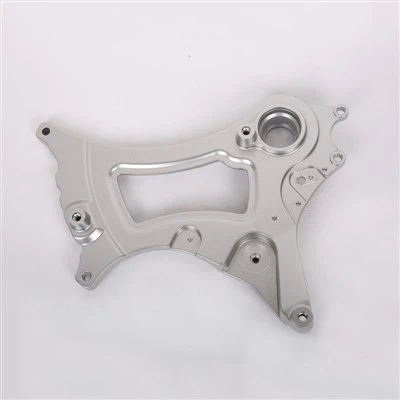
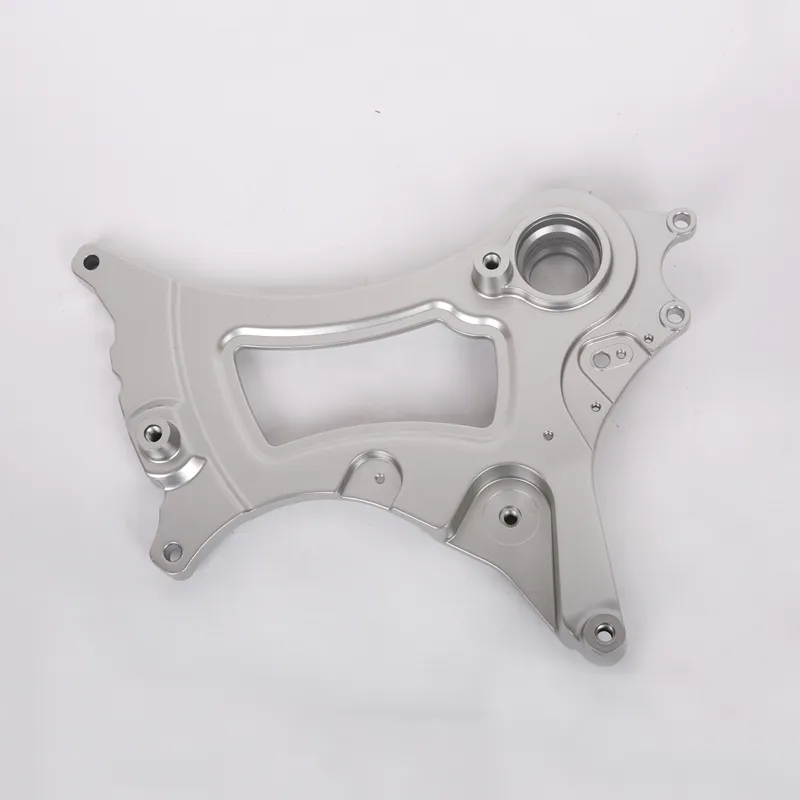
Aluminum connecting plates are lightweight yet strong. They're resistant to corrosion, which makes them ideal for outdoor applications. In the automotive industry, aluminum connecting plates are used in engine components and chassis assemblies. Their light weight helps to improve fuel efficiency, while their strength ensures the reliability of the vehicle. You can check out Motorcycle Connecting Plate to see some great examples of aluminum connecting plates used in motorcycles.

Plastic Connecting Plates
Plastic connecting plates have their own set of advantages. They're usually cheaper to produce than metal ones and can be easily molded into different shapes.
Polycarbonate Connecting Plates
Polycarbonate is a tough and transparent plastic. Connecting plates made from polycarbonate are often used in electrical and electronic devices. They provide insulation and protection against electrical shocks. For instance, in circuit boards, polycarbonate connecting plates are used to connect different components while keeping them electrically isolated.
Nylon Connecting Plates
Nylon is known for its high strength - to - weight ratio and good wear resistance. Nylon connecting plates are commonly used in consumer products, like furniture and toys. They're also used in some automotive applications, such as interior trim components, where their noise - reducing properties come in handy.
Composite Connecting Plates
Composite materials combine the best properties of different materials. Connecting plates made from composites offer a unique combination of strength, light weight, and corrosion resistance.
Carbon Fiber Composite Connecting Plates
Carbon fiber composites are extremely strong and lightweight. They're often used in high - performance applications, such as aerospace and racing cars. In airplanes, carbon fiber composite connecting plates are used to reduce the overall weight of the aircraft while maintaining its structural integrity.
Specialized Connecting Plates
There are also some specialized types of connecting plates designed for specific industries.
Motorcycle Connecting Board
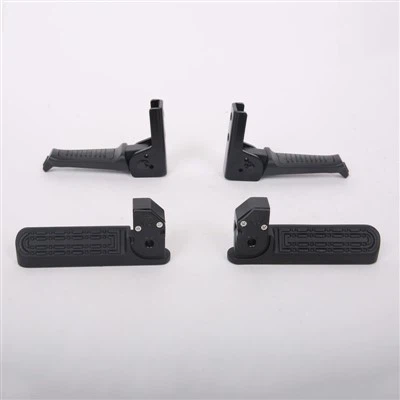
As the name suggests, these are specifically designed for motorcycles. They play a crucial role in the overall performance and safety of the bike. Motorcycle connecting boards are used to connect various parts of the engine, suspension, and electrical systems. They need to be precisely engineered to ensure smooth operation and reliability.
Marine Connecting Plates
Marine connecting plates are designed to withstand the harsh conditions of the marine environment. They're made from corrosion - resistant materials, such as stainless steel or marine - grade aluminum. These plates are used in boats and ships to connect different structural components, ensuring the seaworthiness of the vessel.
How to Choose the Right Connecting Plate
When choosing a connecting plate, there are several factors to consider.
- Load Requirements: You need to know how much weight or force the connecting plate will need to support. For heavy - load applications, steel or carbon fiber composite plates are better choices.
- Environmental Conditions: If the connecting plate will be exposed to moisture, chemicals, or extreme temperatures, you'll need to select a material that can withstand these conditions. For example, in a marine environment, corrosion - resistant materials are essential.
- Cost: Of course, cost is always a factor. Plastic connecting plates are generally cheaper than metal or composite ones, so if cost is a major concern, they might be a good option.
Conclusion
So, as you can see, there are definitely different types of connecting plates, each with its own unique features and applications. Whether you're in the construction, automotive, aerospace, or consumer products industry, there's a connecting plate out there that's perfect for your needs.
If you're interested in purchasing connecting plates for your project, don't hesitate to get in touch. We have a wide range of connecting plates in different materials, sizes, and designs. Our team of experts can help you choose the right one for your specific requirements. Let's start a conversation and find the best solution for you!
References
- "Materials Science and Engineering: An Introduction" by William D. Callister Jr. and David G. Rethwisch
- "Handbook of Plastics, Elastomers, and Composites" by Charles A. Harper