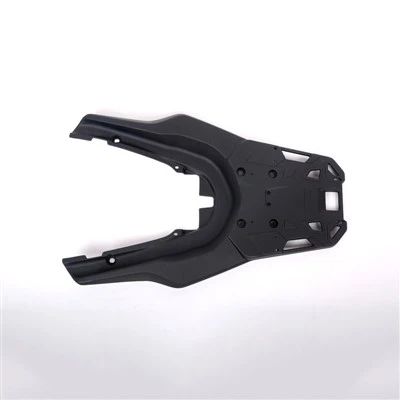
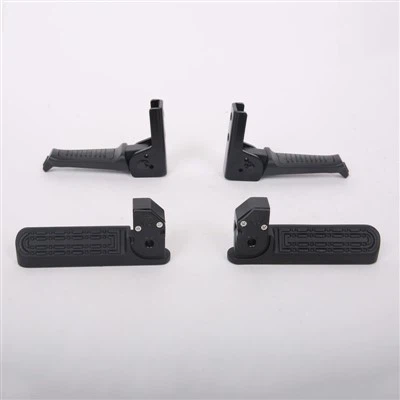
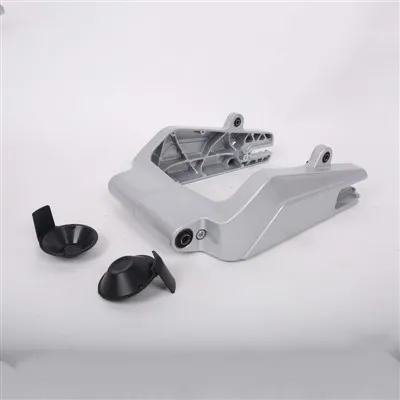
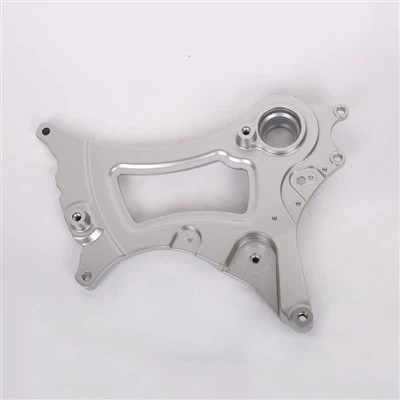
Die castings are metal parts produced by die casting. It uses a pressure casting mechanical die casting machine with a casting mold installed to pour heated liquid copper, zinc, aluminum or aluminum alloy into the feed port of the die casting machine, and die casting by the die casting machine to cast parts of the shape and size limited by the mold.
The following is a detailed introduction to die castings and matters that should be paid attention to during the processing:
1. Characteristics: Die castings have the characteristics of complex shape, thin wall, high precision, flat surface and high dimensional consistency.
2. Classification: According to different metal materials and uses, die castings can be divided into copper die castings, zinc die castings, aluminum die castings, etc.
3. The processing process of die castings mainly includes steps such as mold preparation, filling, injection, sand dropping and post-processing.
Processing process
Mold preparation: During the preparation process, lubricant needs to be sprayed into the mold cavity. In addition to helping control the temperature of the mold, the lubricant can also help demold the casting.
Filling and injection: After closing the mold, the molten metal is injected into the mold with high pressure, which ranges from about 10 to 175 MPa. When the molten metal is filled, the pressure will be maintained until the casting solidifies.
Sand drop: The push rod pushes out all the castings and separates the residue, including the mold gate, runner, gate and flash. This process is usually completed by squeezing the casting through a special trimming die. Other methods include sawing and grinding.
Post-processing: Die castings may have problems such as bubbles and burrs during the production process, and there may also be problems such as residual mold sand and oxide scale. Therefore, after the die casting is manufactured, post-processing work is required, including grinding, polishing, spraying, electroplating and other processes, in order to make the surface of the die casting more beautiful and improve its corrosion resistance and mechanical properties.