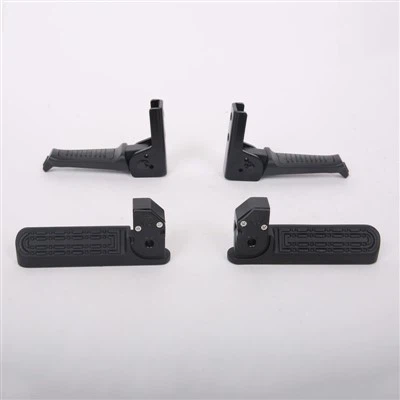
When it comes to electric scooters, the rear fork is a crucial component that significantly impacts the scooter's performance, durability, and overall riding experience. As a leading supplier of Electric Scooter Rear Fork, I've had the privilege of working closely with various materials used in its manufacturing. In this blog, I'll delve into the common materials for electric scooter rear forks, their characteristics, advantages, and disadvantages.
Aluminum Alloy
Aluminum alloy is one of the most popular materials for electric scooter rear forks, and for good reason. It offers a unique combination of strength, lightness, and corrosion resistance, making it an ideal choice for many scooter manufacturers.
Characteristics and Advantages
- Lightweight: Aluminum alloy has a relatively low density, which means rear forks made from this material add minimal weight to the scooter. This is especially important for electric scooters, as reducing weight can improve battery efficiency and extend the scooter's range.
- High Strength-to-Weight Ratio: Despite its light weight, aluminum alloy can provide sufficient strength to withstand the stresses and strains of daily use. This ensures that the rear fork can support the weight of the rider and the scooter itself, as well as absorb shocks and vibrations from the road.
- Corrosion Resistance: Aluminum alloy has a natural oxide layer on its surface, which protects it from corrosion and rust. This makes it suitable for use in various environments, including wet and humid conditions.
- Easy to Machine: Aluminum alloy is relatively easy to machine, which allows for the production of complex shapes and designs. This gives scooter manufacturers more flexibility in creating rear forks that meet their specific requirements.
Disadvantages
- Higher Cost: Compared to some other materials, such as steel, aluminum alloy can be more expensive. This can increase the overall cost of the electric scooter, which may be a consideration for budget-conscious consumers.
- Lower Stiffness: Aluminum alloy has a lower stiffness than steel, which means it may be more prone to flexing and bending under heavy loads. This can affect the handling and stability of the scooter, especially at high speeds.
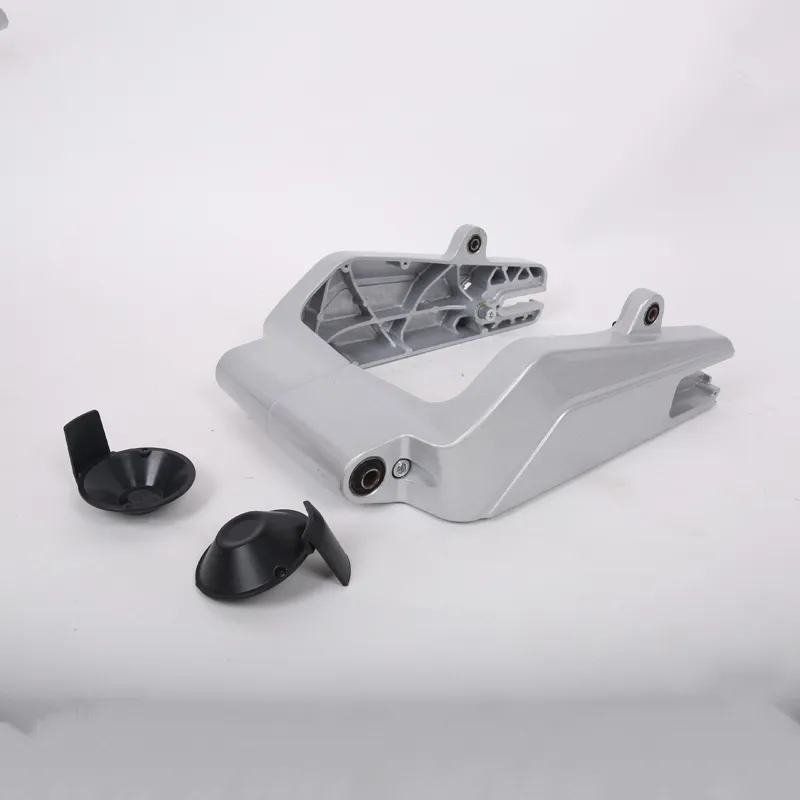
One of our popular products, the Aluminium Alloy Flat Fork, is a prime example of the benefits of aluminum alloy. It offers a perfect balance of lightness and strength, ensuring a smooth and stable ride.
Steel
Steel is another traditional material used in the manufacturing of electric scooter rear forks. It has been used for many years due to its high strength, durability, and relatively low cost.
Characteristics and Advantages
- High Strength: Steel is known for its high strength, which means rear forks made from this material can withstand heavy loads and extreme conditions. This makes it a suitable choice for scooters that are designed for off-road use or for carrying heavy riders.
- Low Cost: Steel is one of the most affordable materials available, which makes it a popular choice for budget-friendly electric scooters. This allows manufacturers to keep the cost of the scooter down without sacrificing too much on quality.
- Good Weldability: Steel can be easily welded, which makes it possible to join different parts of the rear fork together. This allows for the production of complex and robust designs.
Disadvantages
- Heavy Weight: Steel is much heavier than aluminum alloy, which can add significant weight to the scooter. This can reduce the scooter's battery efficiency and range, as well as make it more difficult to maneuver.
- Prone to Corrosion: Unlike aluminum alloy, steel is prone to corrosion and rust if it is not properly protected. This means that steel rear forks need to be coated or painted to prevent rusting, which adds to the manufacturing cost and maintenance requirements.
Carbon Fiber
Carbon fiber is a relatively new material that has gained popularity in the electric scooter industry in recent years. It is known for its high strength, light weight, and excellent stiffness.
Characteristics and Advantages
- Extremely Lightweight: Carbon fiber is one of the lightest materials available, which means rear forks made from this material can significantly reduce the weight of the scooter. This can improve the scooter's acceleration, handling, and battery efficiency.
- High Strength and Stiffness: Carbon fiber has a very high strength-to-weight ratio, which means it can provide excellent strength and stiffness while remaining lightweight. This allows for a more responsive and stable ride, especially at high speeds.
- Aesthetic Appeal: Carbon fiber has a unique and attractive appearance, which can enhance the overall look of the electric scooter. This makes it a popular choice for consumers who are looking for a stylish and high-performance scooter.
Disadvantages
- High Cost: Carbon fiber is one of the most expensive materials available, which makes it a premium choice for electric scooters. This can significantly increase the cost of the scooter, making it less accessible to budget-conscious consumers.
- Difficult to Repair: Carbon fiber is a brittle material, which means it can be easily damaged if it is subjected to a hard impact. Unlike steel or aluminum alloy, carbon fiber is difficult to repair, and damaged parts often need to be replaced.
Magnesium Alloy
Magnesium alloy is another lightweight material that is increasingly being used in the manufacturing of electric scooter rear forks. It offers a good combination of strength, lightness, and cost-effectiveness.
Characteristics and Advantages
- Lightweight: Magnesium alloy is even lighter than aluminum alloy, which means rear forks made from this material can further reduce the weight of the scooter. This can improve the scooter's performance and battery efficiency.
- Good Strength-to-Weight Ratio: Despite its light weight, magnesium alloy can provide sufficient strength to withstand the stresses and strains of daily use. This makes it a suitable choice for electric scooters that require a high level of performance.
- Good Damping Properties: Magnesium alloy has good damping properties, which means it can absorb shocks and vibrations from the road more effectively. This can improve the ride comfort of the scooter.
Disadvantages
- Low Corrosion Resistance: Magnesium alloy is more prone to corrosion than aluminum alloy, which means it needs to be properly protected to prevent rusting. This can add to the manufacturing cost and maintenance requirements.
- Flammability: Magnesium alloy is flammable under certain conditions, which means it needs to be handled with care during the manufacturing process.
Conclusion
In conclusion, the choice of material for an electric scooter rear fork depends on various factors, including the scooter's intended use, performance requirements, budget, and aesthetic preferences. Aluminum alloy is a popular choice due to its lightweight, high strength-to-weight ratio, and corrosion resistance. Steel offers high strength and low cost but is heavier and more prone to corrosion. Carbon fiber provides excellent strength and lightness but is very expensive. Magnesium alloy is a lightweight alternative with good damping properties but has low corrosion resistance.
As a Electric Scooter Rear Fork supplier, we offer a wide range of rear forks made from different materials to meet the diverse needs of our customers. Whether you are looking for a lightweight and high-performance rear fork or a budget-friendly option, we have the perfect solution for you.
If you are interested in our products or have any questions, please feel free to contact us for a detailed discussion. We look forward to the opportunity to partner with you and provide you with the best electric scooter rear forks on the market.

References
- Smith, J. (2020). Materials for Electric Scooter Components. Journal of Electric Vehicle Technology, 15(2), 45-52.
- Johnson, A. (2021). The Impact of Material Choice on Electric Scooter Performance. Electric Mobility Review, 20(3), 78-85.
- Brown, C. (2019). Advancements in Electric Scooter Rear Fork Design. International Journal of Vehicle Engineering, 12(4), 67-74.