


In the intricate world of motorcycle engineering, every component plays a crucial role in ensuring optimal performance, safety, and efficiency. Among these components, the Motorcycle Connecting Plate, often overlooked, serves as a linchpin in various systems, including the exhaust system. As a leading supplier of Motorcycle Connecting Plate, I am excited to delve into the significance of this small yet mighty part and its role in the motorcycle's exhaust system.
Understanding the Motorcycle Exhaust System
Before we explore the role of the connecting plate, it's essential to understand the basics of a motorcycle exhaust system. The exhaust system is responsible for several critical functions:
- Exhaust Gas Removal: It channels the hot, toxic gases produced during the combustion process out of the engine and away from the rider.
- Noise Reduction: The exhaust system includes a muffler that dampens the loud noise generated by the engine's combustion process, ensuring a more comfortable riding experience.
- Backpressure Regulation: Maintaining the right amount of backpressure is crucial for engine performance. Backpressure helps in scavenging the exhaust gases from the cylinders and can affect the engine's power output and fuel efficiency.
- Emission Control: Modern exhaust systems are equipped with catalytic converters that reduce harmful emissions, such as carbon monoxide, hydrocarbons, and nitrogen oxides, before they are released into the atmosphere.
The Role of the Motorcycle Connecting Plate in the Exhaust System
The Motorcycle Connecting Plate serves several important functions within the exhaust system:
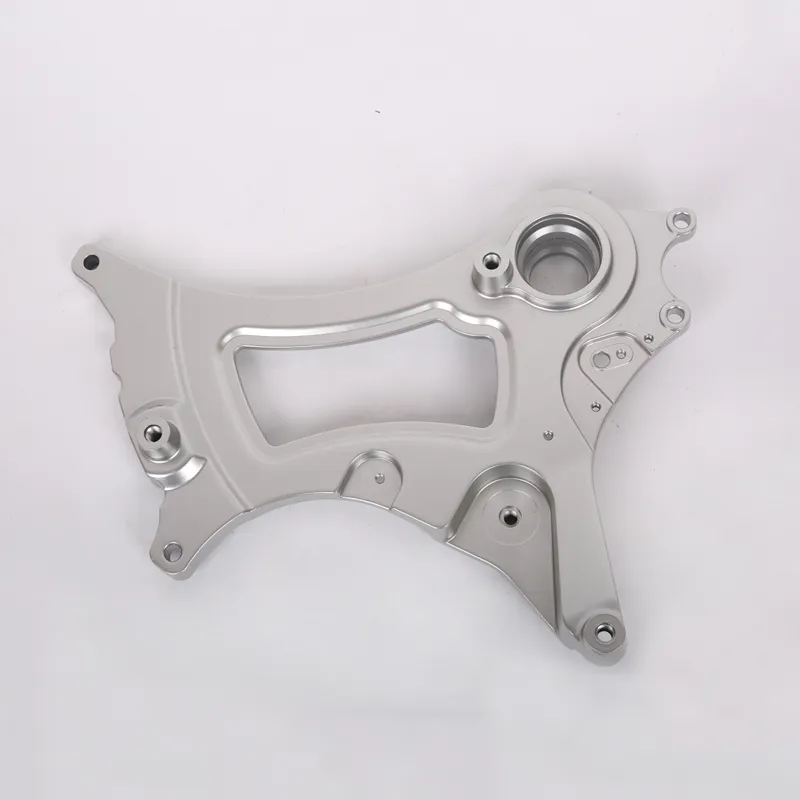

1. Structural Integrity and Stability
The connecting plate acts as a bridge between different components of the exhaust system, such as the exhaust manifold, catalytic converter, and muffler. It provides a secure and stable connection, ensuring that these components remain properly aligned and in place. This is especially important as the motorcycle vibrates during operation, which could otherwise cause the exhaust components to loosen or shift, leading to leaks or damage.
For example, in a high-performance motorcycle, the engine generates significant vibrations and forces. The connecting plate helps to distribute these forces evenly across the exhaust system, preventing stress concentrations that could lead to cracks or failures in the exhaust pipes or other components.
2. Sealing and Leak Prevention
A proper seal is essential in the exhaust system to prevent the leakage of hot exhaust gases. The connecting plate is designed to create a tight seal between the different exhaust components, using gaskets or O-rings. This not only ensures that the exhaust gases are directed through the system as intended but also helps to maintain the backpressure within the system.
If there is a leak in the exhaust system, it can lead to several problems. Firstly, it can cause a loss of backpressure, which can negatively impact the engine's performance. Secondly, the leaking gases can be a safety hazard, as they contain toxic substances and can also cause a loud, unpleasant noise.
3. Heat Dissipation
The exhaust system generates a significant amount of heat during operation. The connecting plate, made from materials with good thermal conductivity, helps to dissipate this heat away from the exhaust components. This is important as excessive heat can damage the gaskets, seals, and other components of the exhaust system, leading to premature failure.
For instance, in a motorcycle that is used for long-distance touring or high-speed riding, the exhaust system can reach extremely high temperatures. The connecting plate helps to transfer the heat to the surrounding air, reducing the temperature of the exhaust components and extending their lifespan.
4. Alignment and Precision
The connecting plate is designed to ensure precise alignment of the exhaust components. This is crucial for the proper functioning of the exhaust system, as misalignment can cause restrictions in the flow of exhaust gases, leading to increased backpressure and reduced engine performance.
In addition, precise alignment is necessary for the effective operation of the catalytic converter. If the exhaust gases are not flowing through the catalytic converter evenly, it can reduce its efficiency in reducing emissions.
Material Selection for Motorcycle Connecting Plates
The choice of material for the Motorcycle Connecting Plate is crucial, as it needs to withstand the harsh conditions of the exhaust system, including high temperatures, vibrations, and exposure to corrosive exhaust gases. Common materials used for connecting plates include:
1. Stainless Steel
Stainless steel is a popular choice due to its excellent corrosion resistance, high strength, and good thermal conductivity. It can withstand the high temperatures and corrosive environment of the exhaust system without rusting or deteriorating. Stainless steel connecting plates are also relatively lightweight, which is beneficial for motorcycle performance.
2. Aluminum
Aluminum is another commonly used material, known for its lightweight and good thermal conductivity. It is also relatively easy to machine and form, making it a cost-effective option. However, aluminum may not be as corrosion-resistant as stainless steel, especially in environments with high levels of moisture or salt.
3. Cast Iron
Cast iron is a strong and durable material that can withstand high temperatures and heavy loads. It is often used in heavy-duty motorcycles or applications where maximum strength is required. However, cast iron is relatively heavy, which can affect the motorcycle's handling and fuel efficiency.
Customization and Design Considerations
As a supplier of Motorcycle Connecting Plate, we understand that different motorcycles have different requirements for their exhaust systems. That's why we offer a wide range of customization options for our connecting plates:
1. Size and Shape
The size and shape of the connecting plate need to be tailored to fit the specific exhaust components of the motorcycle. We can manufacture connecting plates in various sizes and shapes, depending on the design of the exhaust system.
2. Hole Patterns and Mounting Options
The hole patterns and mounting options on the connecting plate are designed to match the corresponding components of the exhaust system. We can customize these features to ensure a perfect fit and easy installation.
3. Surface Finish
The surface finish of the connecting plate can affect its corrosion resistance and appearance. We offer different surface finishes, such as powder coating or chrome plating, to meet the customer's requirements.
The Importance of Quality Motorcycle Connecting Plates
Using high-quality Motorcycle Connecting Plates is essential for the performance, safety, and longevity of the motorcycle's exhaust system. Here are some reasons why:
1. Reliability
A quality connecting plate ensures a reliable and long-lasting connection between the exhaust components. It reduces the risk of leaks, vibrations, and other problems that could lead to costly repairs or downtime.
2. Performance
Properly designed and manufactured connecting plates help to maintain the optimal performance of the exhaust system, ensuring that the engine operates at its best. This can result in improved power output, fuel efficiency, and overall riding experience.
3. Safety
A secure and leak-free exhaust system is crucial for the safety of the rider and the environment. Quality connecting plates help to prevent the leakage of toxic exhaust gases, which can be harmful to human health and the environment.
Conclusion
In conclusion, the Motorcycle Connecting Plate plays a vital role in the motorcycle's exhaust system. It provides structural integrity, sealing, heat dissipation, and alignment, ensuring the proper functioning of the exhaust system and the overall performance of the motorcycle. As a leading supplier of Motorcycle Connecting Plate, we are committed to providing high-quality, customized connecting plates that meet the specific needs of our customers.
If you are in the market for Motorcycle Connecting Plates or have any questions about our products, we invite you to contact us for a consultation. Our team of experts is ready to assist you in finding the right solution for your motorcycle's exhaust system.
References
- "Motorcycle Exhaust Systems: Design, Performance, and Emissions" - A technical guide on motorcycle exhaust systems.
- "Materials Science for Automotive Applications" - A comprehensive resource on materials used in the automotive and motorcycle industries.
- "Motorcycle Engineering Handbook" - A reference book covering various aspects of motorcycle design and engineering.


