


Forging parts play a crucial role in the air - conditioning equipment industry. As a forging parts supplier, I have witnessed firsthand the significance of these components in ensuring the efficient and reliable operation of air - conditioning systems. In this blog, I will explore the various forging parts used in the air - conditioning equipment industry and their functions.
Compressor Forging Parts
The compressor is the heart of an air - conditioning system. It is responsible for compressing the refrigerant gas, which is essential for the heat transfer process. Forging parts are extensively used in compressors to enhance their performance and durability.

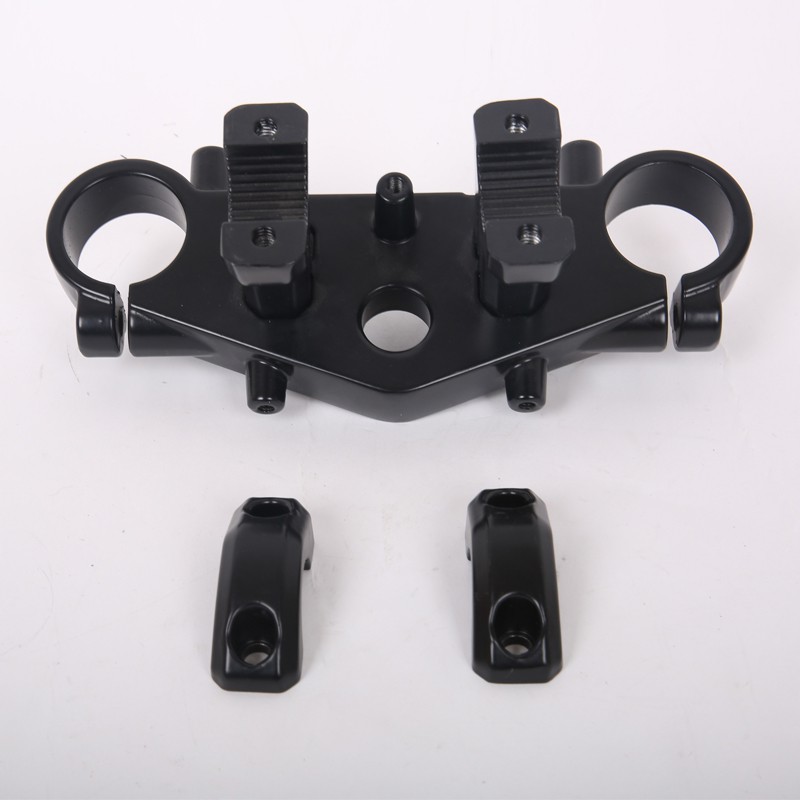
One of the key forging parts in a compressor is the crankshaft. The crankshaft converts the reciprocating motion of the pistons into rotational motion. A forged crankshaft offers high strength and excellent fatigue resistance. This is because the forging process aligns the grain structure of the metal, making it more resistant to the high - stress loads and vibrations that occur during compressor operation. For example, in large commercial air - conditioning compressors, a well - forged crankshaft can withstand continuous operation for long periods without failure.
Another important forging part is the connecting rod. Connecting rods connect the pistons to the crankshaft. They need to be strong enough to transfer the force from the pistons to the crankshaft efficiently. Forged connecting rods are made from high - quality materials such as steel alloys. The forging process allows for precise shaping and control of the material properties, ensuring that the connecting rods can handle the high - speed and high - force movements within the compressor.
Condenser and Evaporator Forging Parts
Condensers and evaporators are heat exchangers in an air - conditioning system. They are responsible for transferring heat between the refrigerant and the surrounding air. Forging parts are used in these components to improve their heat transfer efficiency and structural integrity.
The tube sheets in condensers and evaporators are often made through forging. Tube sheets hold the tubes in place and provide a support structure for the heat exchanger. A forged tube sheet has a uniform and dense structure, which helps in better heat conduction. It also has high resistance to corrosion, especially when exposed to the refrigerant and environmental conditions. This ensures a longer service life for the condenser and evaporator.
In addition, the headers in condensers and evaporators may also be forged. Headers distribute the refrigerant evenly among the tubes. A well - forged header can ensure proper flow distribution, which is crucial for the overall performance of the heat exchanger. For instance, in a large - scale industrial air - conditioning system, a forged header can help maintain consistent cooling or heating across the entire system.
Fan and Motor Forging Parts
Fans and motors are essential for the air circulation in an air - conditioning system. Forging parts are used in these components to improve their efficiency and reliability.
The fan blades are often forged to achieve the desired shape and strength. A forged fan blade can be designed with a precise aerodynamic profile, which allows for more efficient air movement. This results in better air circulation within the air - conditioning unit and the surrounding space. For example, in a high - end residential air - conditioning system, forged fan blades can reduce noise levels while increasing the cooling or heating efficiency.
The motor shafts are also commonly forged. Motor shafts transmit the power from the motor to the fan or other moving parts. A forged motor shaft has high torsional strength, which is necessary to handle the rotational forces generated by the motor. It also has good dimensional accuracy, ensuring smooth operation and reducing wear and tear on the motor bearings.
Structural and Mounting Forging Parts
Air - conditioning equipment needs to be properly installed and supported. Forging parts are used for structural and mounting purposes to ensure the stability and safety of the system.
Base frames are often forged to provide a solid foundation for the air - conditioning unit. A forged base frame can withstand the weight of the equipment and any external forces, such as vibrations or wind loads. It also helps in reducing noise and preventing the unit from shifting during operation.
Mounting brackets are another important type of forging part. They are used to attach the air - conditioning components to the building structure or other support systems. Forged mounting brackets are strong and durable, ensuring that the equipment remains securely in place. This is particularly important in commercial and industrial settings where the air - conditioning systems are large and heavy.
Aluminum Alloy Forging Parts in Air - Conditioning
Aluminum alloys are widely used in the air - conditioning equipment industry due to their lightweight, good corrosion resistance, and high thermal conductivity. Aluminum Alloy Liquid Forging and Aluminum Alloy Forgings offer unique advantages in this field.
Aluminum alloy forging parts can be used in various components of an air - conditioning system. For example, in fan blades, aluminum alloy forgings can reduce the weight of the fan, which in turn reduces the power consumption of the motor. In addition, the high thermal conductivity of aluminum alloys makes them suitable for heat exchanger components such as tube sheets and headers.
The Aluminum Alloy Liquid Forging process allows for the production of complex - shaped parts with high precision. This is beneficial for manufacturing parts with intricate designs, such as some of the internal components in compressors or the decorative parts in residential air - conditioning units.
Quality and Precision in Forging for Air - Conditioning
In the air - conditioning equipment industry, quality and precision are of utmost importance. As a forging parts supplier, we understand the strict requirements of our customers.
We use advanced forging techniques and high - quality materials to ensure that our forging parts meet the highest standards. Our manufacturing process includes strict quality control measures at every stage, from material selection to the final inspection. For example, we conduct non - destructive testing on our forging parts to detect any internal defects.
Precision is also a key factor. We use state - of - the - art machining and forming equipment to achieve tight tolerances in our forging parts. This is crucial for the proper fit and function of the components in the air - conditioning system. For instance, the compressor parts need to have precise dimensions to ensure smooth operation and efficient compression of the refrigerant.
Customization of Forging Parts
Every air - conditioning equipment manufacturer has unique requirements. As a forging parts supplier, we offer customized forging solutions to meet these specific needs.
We work closely with our customers to understand their design requirements and performance expectations. Our engineering team can provide technical support and advice on material selection, forging process optimization, and part design. For example, if a customer needs a special - shaped fan blade for a new air - conditioning model, we can develop a customized forging solution to produce the part with the required specifications.
Conclusion
Forging parts are indispensable in the air - conditioning equipment industry. They contribute to the performance, efficiency, reliability, and durability of air - conditioning systems. As a forging parts supplier, we are committed to providing high - quality, precision - made, and customized forging parts to meet the diverse needs of the air - conditioning equipment manufacturers.
If you are an air - conditioning equipment manufacturer or involved in the procurement of forging parts for the air - conditioning industry, we would be delighted to discuss your requirements. Our expertise and experience in forging can help you find the best solutions for your products. Contact us today to start a procurement negotiation and take your air - conditioning equipment to the next level.
References
- ASM Handbook Volume 14A: Metalworking: Forging. ASM International.
- "Design and Manufacturing of Forging Parts for HVAC Systems" - Journal of Air - Conditioning Technology.
- "Advances in Aluminum Alloy Forging for the Air - Conditioning Industry" - International Journal of Forging and Metal Forming.


