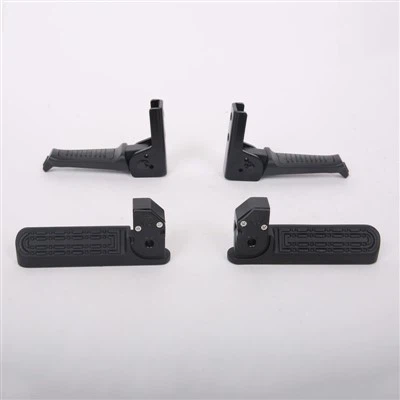
Transporting a motorcycle rear tail rack for replacement can be a task that requires careful planning and execution. As a supplier of Motorcycle Rear Tail Rack, I've encountered various scenarios where customers need to transport these racks safely and efficiently. In this blog, I'll share some insights and practical tips on how to handle this process effectively.
Understanding the Importance of Proper Transport
Before delving into the transport methods, it's crucial to understand why proper transport is essential. A motorcycle rear tail rack is a precision - engineered component. Any damage during transport can compromise its structural integrity, functionality, and aesthetic appeal. A damaged rack may not fit correctly on the motorcycle, leading to potential safety hazards. Additionally, as a supplier, I know that a damaged product reflects poorly on our brand and can lead to customer dissatisfaction.
Pre - Transport Preparation
Inspection
The first step is to thoroughly inspect the rear tail rack. Check for any pre - existing damage, such as scratches, dents, or loose parts. Document these findings with photos or written notes. This will help in case there are any disputes with the shipping carrier regarding damage during transit. As a supplier, we always ensure that our products are in perfect condition before shipping, but it's still a good practice for the end - user to double - check.
Cleaning
Clean the rear tail rack before packing. Remove any dirt, grease, or debris. This not only makes the rack look better but also helps in identifying any hidden damage. A clean rack is also less likely to attract pests during transport, especially if it's being shipped over long distances.
Disassembly (if applicable)
Some motorcycle rear tail racks can be disassembled into smaller parts. If this is the case, carefully disassemble the rack following the manufacturer's instructions. Keep all the small parts, such as bolts, nuts, and washers, in a labeled bag. Disassembly can make the rack easier to pack and reduce the risk of damage during transport.
Packing the Rear Tail Rack
Choosing the Right Packaging Materials
- Cardboard Boxes: Select a sturdy cardboard box that is slightly larger than the rear tail rack. The box should be able to withstand the weight and shape of the rack without collapsing. You can reinforce the box with additional layers of cardboard or corner protectors for added strength.
- Foam Padding: Use foam padding to wrap the rear tail rack. Foam provides excellent cushioning and protects the rack from impacts. You can cut the foam to fit the shape of the rack or use pre - formed foam inserts.
- Bubble Wrap: Bubble wrap is another great option for protecting the rack. Wrap the rack tightly with multiple layers of bubble wrap to absorb shocks during transport.
Packing the Rack
- Place the wrapped rear tail rack in the center of the box. Fill any empty spaces in the box with packing peanuts, crumpled paper, or more foam padding. This ensures that the rack doesn't move around inside the box and reduces the risk of damage from impacts.
- If you've disassembled the rack, place the bag of small parts inside the box. Make sure it's securely attached to the rack or placed in a way that it won't get lost during transit.
- Seal the box with strong packing tape. Use multiple layers of tape along the seams to ensure the box stays closed.
Choosing a Shipping Method
Local Delivery
If the replacement rear tail rack is being transported locally, you have a few options.
- Personal Vehicle: If you have a large enough vehicle, such as a truck or an SUV, you can transport the rack yourself. Place the boxed rack in the vehicle in a way that it won't shift during the drive. You can use straps or ropes to secure the box if necessary.
- Local Courier Service: Many local courier services offer same - day or next - day delivery. They are often more flexible and can handle smaller packages like a motorcycle rear tail rack. Make sure to choose a reputable courier service with a good track record of handling fragile items.
Long - Distance Shipping
For long - distance shipping, you'll need to choose a reliable shipping carrier.
- UPS, FedEx, or DHL: These are well - known international shipping carriers. They offer various shipping options, including express and ground shipping. When shipping with these carriers, make sure to label the package as "fragile" and provide accurate weight and dimensions. You can also purchase insurance to cover the value of the rear tail rack in case of damage or loss.
- Freight Shipping: If the rear tail rack is large or heavy, freight shipping may be a better option. Freight carriers specialize in transporting large and heavy items. They can handle the rack more carefully and often provide door - to - door service. However, freight shipping can be more expensive and may take longer than traditional shipping methods.
Tracking and Insurance
Tracking
Once the rear tail rack is shipped, make sure to obtain a tracking number from the shipping carrier. You can use this number to track the progress of your shipment online. Tracking allows you to know exactly where your rack is at any given time and when it's expected to arrive.
Insurance
As mentioned earlier, it's a good idea to purchase insurance for the rear tail rack. Shipping insurance provides financial protection in case the rack is damaged, lost, or stolen during transit. The cost of insurance is usually a small percentage of the value of the rack, but it can save you a significant amount of money in case something goes wrong.


Handling Damaged Shipments
In the unfortunate event that the rear tail rack arrives damaged, you need to act quickly.
- Document the Damage: Take photos of the damaged rack and the packaging. Note any signs of external damage to the box, such as holes, dents, or tears.
- Contact the Shipping Carrier: Notify the shipping carrier immediately about the damage. Provide them with the tracking number, photos, and a detailed description of the damage. They will guide you through the claims process.
- Contact the Supplier: As a supplier, we are always willing to help our customers in case of damaged shipments. If the rack is still under warranty, we can provide a replacement or offer a repair service.
Conclusion
Transporting a motorcycle rear tail rack for replacement requires careful preparation, proper packing, and choosing the right shipping method. By following the tips outlined in this blog, you can ensure that your rear tail rack arrives at its destination safely and in perfect condition.
If you're in the market for a high - quality Motorcycle Rear Tail Rack or Motorcycle Rear Luggage Rack, or even an Electric Scooter Rear Shelf, we'd be more than happy to assist you. We offer a wide range of products to meet your needs. Contact us to start a purchase negotiation and get the best product for your motorcycle or electric scooter.
References
- General knowledge from years of experience as a Motorcycle Rear Tail Rack supplier.
- Shipping guidelines provided by major shipping carriers such as UPS, FedEx, and DHL.