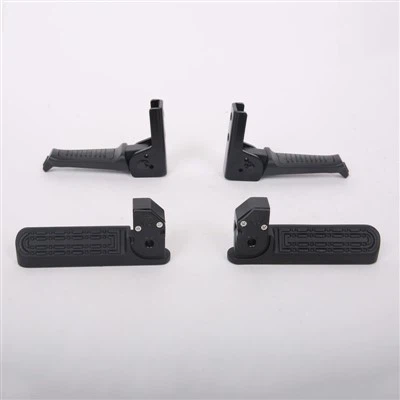
Determining whether your rear fork needs replacement is crucial for maintaining the safety, performance, and longevity of your vehicle, whether it's a motorcycle, bicycle, or electric scooter. As a rear fork supplier, I've encountered numerous customers seeking advice on this matter. In this blog post, I'll share some key indicators that can help you decide if it's time to replace your rear fork.
Visual Inspection
One of the first steps in assessing the condition of your rear fork is a thorough visual inspection. Look for any signs of physical damage, such as cracks, dents, or bends. Cracks are particularly concerning as they can compromise the structural integrity of the rear fork, leading to potential failure while in use. Even small cracks can propagate over time, especially under the stress of regular riding.
Dents and bends can also affect the alignment of the rear wheel and suspension components, causing uneven tire wear, poor handling, and increased stress on other parts of the vehicle. Pay close attention to areas around welds, as these are common locations for cracks to develop. If you notice any visible damage, it's a clear indication that your rear fork may need to be replaced.
Wear and Tear
Over time, the rear fork is subjected to constant stress and friction, which can lead to wear and tear. Check the bushings, bearings, and pivot points for signs of excessive wear. Worn bushings or bearings can cause a loose or rattling sensation in the rear end of the vehicle, as well as poor handling and reduced stability.
If you notice any play or movement in the bushings or bearings, it's likely that they need to be replaced. In some cases, the wear may be severe enough to damage the rear fork itself, requiring a complete replacement. Additionally, inspect the surface of the rear fork for signs of corrosion or rust, especially if the vehicle is frequently exposed to moisture or harsh environmental conditions.
Alignment Issues
Proper alignment of the rear fork is essential for optimal performance and safety. Misaligned rear forks can cause the rear wheel to sit at an angle, leading to uneven tire wear, poor handling, and increased stress on the suspension components. To check for alignment issues, you can use a straightedge or a specialized alignment tool.
Place the straightedge along the side of the rear wheel and compare it to the alignment of the rear fork. If the straightedge does not run parallel to the rear fork, it's a sign that the rear fork may be misaligned. In some cases, minor alignment issues can be corrected by adjusting the pivot points or using shims. However, if the misalignment is severe, it may be necessary to replace the rear fork.
Performance Problems
Another indicator that your rear fork may need to be replaced is a noticeable change in the performance of your vehicle. If you experience a decrease in handling, stability, or ride quality, it could be due to a worn or damaged rear fork. Pay attention to any unusual noises, vibrations, or pulling sensations while riding.
For example, a rattling noise in the rear end of the vehicle could indicate loose or worn bushings or bearings. A pulling sensation to one side could be a sign of a misaligned rear fork or uneven tire wear. If you notice any of these performance problems, it's important to have your rear fork inspected by a professional mechanic or technician.
Compatibility with Upgrades
If you're planning to upgrade your vehicle's suspension or other components, it's important to consider the compatibility of your rear fork. Some upgrades may require a specific type or size of rear fork, and using an incompatible rear fork can lead to performance issues or even damage to the vehicle.
Before making any upgrades, consult with a knowledgeable mechanic or technician to ensure that your rear fork is compatible. In some cases, it may be necessary to replace the rear fork to accommodate the upgrades. For example, if you're upgrading to a more powerful electric scooter, you may need a stronger and more durable rear fork to handle the increased power and torque.
When to Replace Your Rear Fork
Based on the above indicators, here are some general guidelines on when to replace your rear fork:
- Visible Damage: If you notice any cracks, dents, or bends in the rear fork, it should be replaced immediately.
- Excessive Wear: If the bushings, bearings, or pivot points are severely worn, it's recommended to replace the rear fork.
- Alignment Issues: If the rear fork is misaligned and cannot be corrected, it should be replaced.
- Performance Problems: If you experience a significant decrease in handling, stability, or ride quality, it's advisable to have your rear fork inspected and potentially replaced.
- Compatibility with Upgrades: If you're planning to upgrade your vehicle's suspension or other components, and your rear fork is not compatible, it may need to be replaced.
Our Rear Fork Products
As a rear fork supplier, we offer a wide range of high-quality rear forks for various types of vehicles, including motorcycles, bicycles, and electric scooters. Our products are made from durable materials and are designed to meet the highest standards of quality and performance.

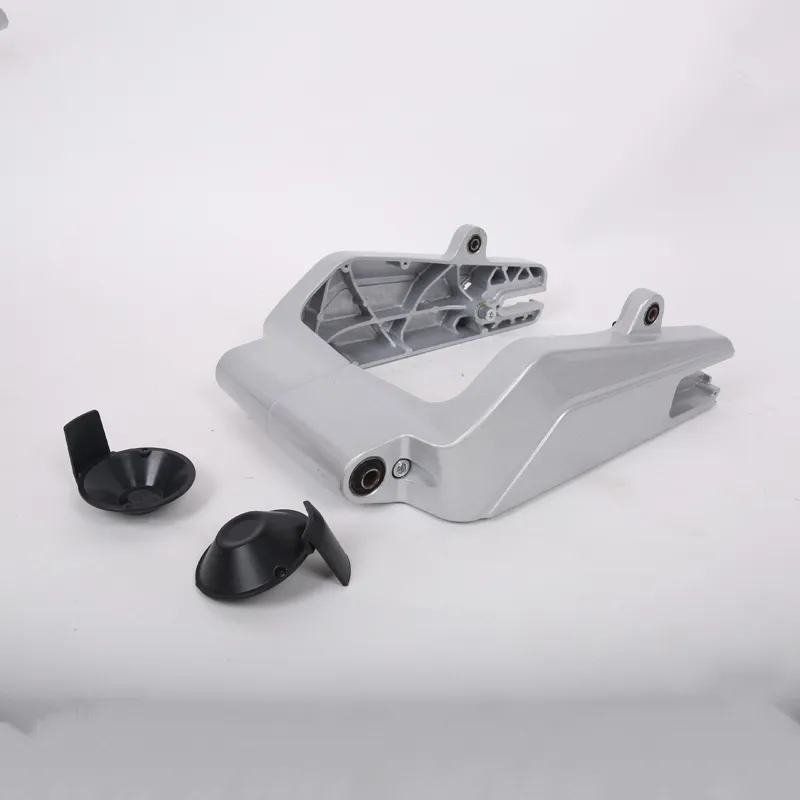
Some of our popular rear fork products include the Aluminium Alloy Flat Fork, which is lightweight and corrosion-resistant, and the Electric Scooter Rear Fork, which is specifically designed for electric scooters. We also offer the Electric Scooter Swing Arm, which provides enhanced stability and performance for electric scooters.
Contact Us for Procurement
If you're in need of a new rear fork or have any questions about our products, please don't hesitate to contact us. Our team of experts is available to assist you with your procurement needs and provide you with the best solutions for your vehicle. We offer competitive prices, fast shipping, and excellent customer service.
References
- Motorcycle Maintenance Manuals
- Bicycle Repair Guides
- Electric Scooter Manufacturer Specifications