As a dedicated supplier of Motorcycle Connecting Plates, I often encounter inquiries from customers about the repairability of damaged motorcycle connecting plates. This topic is not only relevant to motorcycle enthusiasts but also to those in the motorcycle maintenance and repair industry. In this blog, I will delve into the factors that determine whether a damaged motorcycle connecting plate can be repaired and provide some insights based on my experience in the field.
Understanding the Motorcycle Connecting Plate
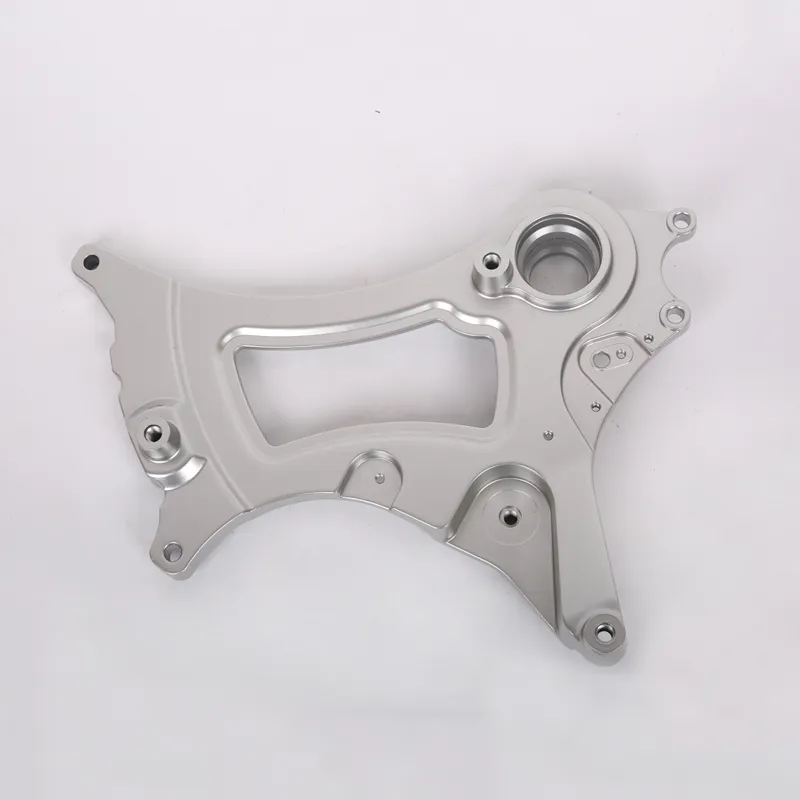
Before discussing the repairability of a damaged connecting plate, it's essential to understand its function and construction. A motorcycle connecting plate is a crucial component that plays a vital role in the overall performance and safety of a motorcycle. It is typically made of high - strength materials such as steel or aluminum alloy, and its primary function is to connect different parts of the motorcycle's engine or chassis, ensuring smooth power transmission and stable operation.
The Motorcycle Connecting Plate is designed to withstand significant stress and vibration during the motorcycle's operation. It is often subjected to high - speed rotations, torque forces, and sudden impacts, which can potentially lead to damage over time.

Factors Affecting Repairability
Type of Damage
The type of damage is one of the most critical factors in determining whether a motorcycle connecting plate can be repaired. Minor damages such as surface scratches, dents, or small cracks may be repairable. For example, surface scratches can often be polished out, and small dents can be carefully hammered back into shape. However, if the damage is more severe, such as a large crack that extends across a significant portion of the plate or a broken section, repair may not be feasible.
Material of the Connecting Plate
The material of the connecting plate also plays a significant role in its repairability. Steel connecting plates are generally more forgiving when it comes to repair. They can be welded, brazed, or heat - treated to some extent. For instance, a small crack in a steel connecting plate can sometimes be welded using appropriate welding techniques. On the other hand, aluminum alloy connecting plates are more challenging to repair. Aluminum has a lower melting point and is more prone to warping during the welding process. Specialized welding equipment and skills are required to repair aluminum alloy connecting plates, and even then, the success rate may be lower.
Structural Integrity
The structural integrity of the connecting plate after damage is another crucial consideration. If the damage has compromised the overall strength and stability of the plate, repair may not be a safe option. A connecting plate that has been severely damaged may not be able to withstand the normal operating stresses of the motorcycle, which could lead to further failures and pose a significant safety risk. For example, if a crack has weakened the load - bearing capacity of the plate, it is better to replace it rather than attempt a repair.
Cost - Benefit Analysis
In addition to technical factors, cost - benefit analysis also plays a role in the decision to repair or replace a damaged motorcycle connecting plate. Repairing a connecting plate can involve labor costs, the cost of materials for repair, and the time required for the repair process. In some cases, the cost of repair may be close to or even higher than the cost of a new connecting plate. If this is the case, it may be more cost - effective to replace the damaged plate with a new one.
Repair Methods for Minor Damages
Polishing and Smoothing
For surface scratches on a motorcycle connecting plate, polishing is a simple and effective repair method. A fine - grit sandpaper can be used to gently sand the scratched area, followed by a polishing compound to restore the smooth surface. This method not only improves the appearance of the plate but also helps to prevent corrosion that could start from the scratched area.
Dent Removal
Small dents can be removed using a combination of gentle hammering and support from the backside of the plate. A soft - faced hammer can be used to carefully tap the dent back into shape while supporting the opposite side with a block of wood or a suitable support tool. It is important to apply the force evenly to avoid causing further damage to the plate.
Welding for Minor Cracks
In the case of small cracks in a steel connecting plate, welding can be a viable repair option. However, it is crucial to use the correct welding technique and filler material. Before welding, the crack should be cleaned thoroughly to remove any dirt, grease, or oxide layers. After welding, the welded area should be heat - treated to relieve stress and improve the strength of the joint.
When to Replace the Connecting Plate
Severe Cracks or Breaks
If the connecting plate has a large crack that extends across a significant portion of the plate or is completely broken, replacement is usually the best option. A severely cracked or broken plate cannot provide the necessary strength and stability for the motorcycle's operation, and attempting to repair it may not be safe.
Compromised Structural Integrity
When the structural integrity of the connecting plate has been compromised, such as when the damage has affected the load - bearing capacity or the alignment of the connected parts, replacement is recommended. A connecting plate with compromised structural integrity can lead to uneven wear on other components, vibration issues, and even mechanical failures.
Cost - Effective Replacement
As mentioned earlier, if the cost of repair is close to or higher than the cost of a new connecting plate, it is more cost - effective to replace the damaged plate. This is especially true when considering the long - term reliability and safety of the motorcycle.
Our Role as a Motorcycle Connecting Plate Supplier
As a supplier of Motorcycle Connecting Plates, we understand the importance of providing high - quality products to our customers. We offer a wide range of motorcycle connecting plates made from different materials and with various specifications to meet the diverse needs of our customers.
In addition to supplying new connecting plates, we also provide technical support and advice to our customers. If you are unsure whether a damaged connecting plate can be repaired, our team of experts can help you assess the situation and provide recommendations. We can also assist you in selecting the right replacement connecting plate if repair is not an option.
Conclusion
In conclusion, the repairability of a damaged motorcycle connecting plate depends on several factors, including the type of damage, the material of the plate, the structural integrity, and the cost - benefit analysis. Minor damages such as surface scratches and small dents may be repairable using simple methods, while more severe damages often require replacement.
If you are facing a damaged motorcycle connecting plate and need further advice or are interested in purchasing a new connecting plate, please feel free to contact us. Our team is dedicated to providing you with the best solutions for your motorcycle needs. Whether you are a motorcycle enthusiast, a mechanic, or a motorcycle manufacturer, we are here to support you.
References
- Motorcycle Engineering Handbook, various editions
- Technical bulletins from motorcycle component manufacturers
- Industry research on motorcycle parts durability and repair