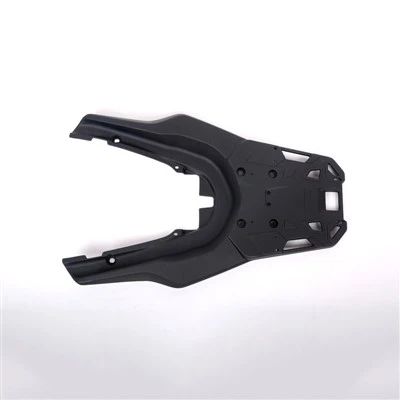
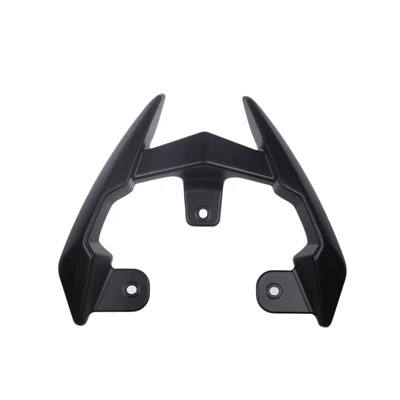
Hey there, fellow motorcycle enthusiasts and industry insiders! I'm super stoked to chat with you all about one of the key components in motorcycles - the Motorcycle Connecting Plate. As a supplier of these nifty parts, I've spent a ton of time diving deep into their features, and today, I wanna focus on a pretty important aspect: electrical conductivity.
Let's start by getting a clear idea of what a Motorcycle Connecting Plate is. A Motorcycle Connecting Plate is a crucial part that plays multiple roles in a motorcycle. It's often used to connect different electrical and mechanical components, ensuring that the various systems in the bike work in harmony. Whether it's connecting the battery to the electrical system or linking different sensors and actuators, these plates are like the unsung heroes of the motorcycle world.
Now, let's talk about electrical conductivity. Electrical conductivity is basically a measure of how easily an electric current can flow through a material. In the context of a motorcycle connecting plate, good electrical conductivity is a must. Why? Well, think about all the electrical signals and power that need to be transferred within a motorcycle. From the ignition system to the lighting and everything in between, a high - conductivity connecting plate ensures that there's minimal resistance to the flow of electricity.
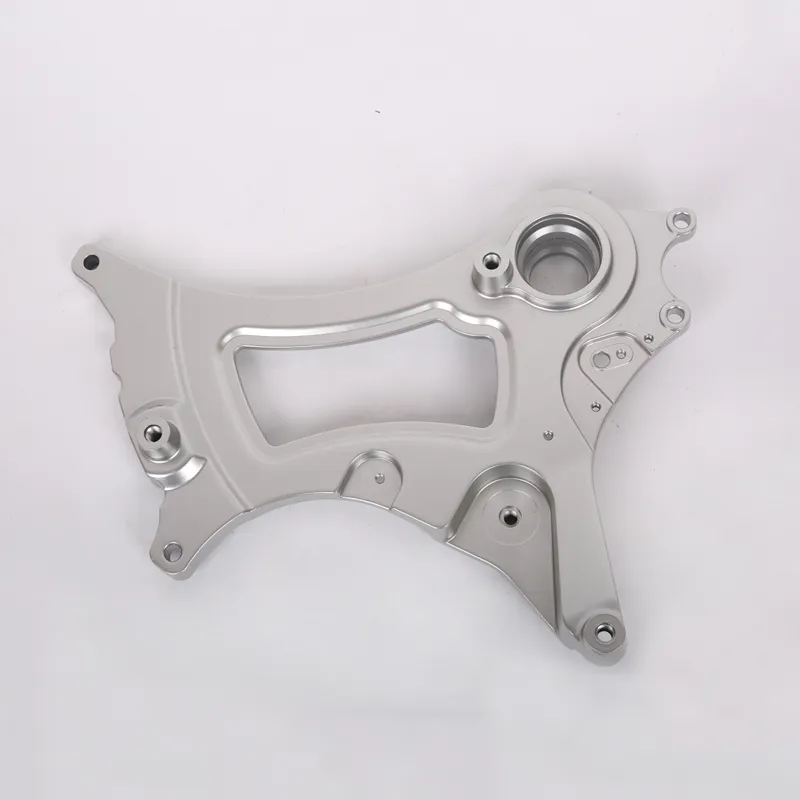

When the electrical conductivity of a connecting plate is high, it means that less energy is lost as heat during the transfer of electrical current. This is super important because energy loss can lead to a whole bunch of problems. For example, if too much energy is lost as heat, it can cause the connecting plate to overheat. Overheating can not only damage the plate itself but also affect the performance of the connected components. It might lead to flickering lights, a weak ignition, or even complete system failures.
So, what factors affect the electrical conductivity of a motorcycle connecting plate? First off, the material used to make the plate is a huge deal. Most connecting plates are made from metals like copper, aluminum, or alloys. Copper is known for its excellent electrical conductivity. It has a very low resistance to the flow of electricity, which makes it a top choice for applications where high - performance electrical connections are required. Aluminum, on the other hand, is lighter and more cost - effective. While its electrical conductivity is not as high as copper, it's still good enough for many motorcycle applications, especially when weight is a major concern.
The manufacturing process also plays a role. If the plate is poorly manufactured, with rough surfaces or impurities, it can increase the resistance and reduce the electrical conductivity. For example, if there are air bubbles or other defects in the casting process, they can disrupt the flow of electrons and cause a drop in conductivity. That's why, as a supplier, we pay a lot of attention to the quality control during the manufacturing of our Motorcycle Connecting Plates. We use advanced die - casting techniques to ensure that the plates are smooth, free of defects, and have consistent electrical properties.
Another factor is the surface finish of the connecting plate. A clean and smooth surface allows for better contact between the plate and the connected components. If the surface is dirty or corroded, it can create a layer of resistance that reduces the electrical conductivity. That's why we often apply special coatings to our plates to protect them from corrosion and ensure a good electrical connection.
Now, let's talk about how we test the electrical conductivity of our motorcycle connecting plates. We use a variety of methods to measure the conductivity accurately. One common method is the four - point probe technique. In this method, four probes are placed on the surface of the plate, and a known current is passed through two of the probes. The voltage is then measured between the other two probes. By using Ohm's law (V = IR), we can calculate the resistance of the plate, and from there, we can determine the electrical conductivity.
We also perform other tests to ensure the overall quality of the plates. For example, we test the mechanical strength of the plates to make sure they can withstand the vibrations and stresses that occur during normal motorcycle operation. We also check for any signs of corrosion or other defects that could affect the electrical conductivity over time.
As a supplier, we understand the importance of providing high - quality Motorcycle Connecting Plates with excellent electrical conductivity. Our plates are designed to meet the strictest industry standards, and we're constantly working on improving our products. Whether you're a motorcycle manufacturer looking for reliable components or a repair shop in need of high - performance replacement parts, we've got you covered.
If you're in the market for Motorcycle Connecting Boards or plates, don't hesitate to reach out. We're always happy to have a chat about your specific needs and how our products can fit into your projects. Whether it's a small custom order or a large - scale production run, we're ready to work with you.
In conclusion, the electrical conductivity of a motorcycle connecting plate is a critical factor that can have a big impact on the performance and reliability of a motorcycle. By choosing high - quality plates with good electrical conductivity, you can ensure that your motorcycle runs smoothly and efficiently. So, if you're interested in learning more or placing an order, just get in touch. We're here to help you get the best connecting plates for your motorcycles.
References
- Principles of Electrical Engineering textbooks
- Industry standards for motorcycle components
- Research papers on metal conductivity and die - casting processes