Hey there! As a supplier of connecting plates, I've seen my fair share of these little guys fail. It can be a real headache for everyone involved, from the manufacturers to the end - users. So, I thought I'd share some of the common reasons why a connecting plate might bite the dust.
1. Material Defects
Let's start with the basics - the material. If the material used to make the connecting plate is sub - par, it's bound to cause problems down the line. Sometimes, there could be impurities in the metal. For example, if we're talking about a steel connecting plate, the presence of too much sulfur can make the steel brittle. Brittle materials are more likely to crack under stress.

Another issue could be improper heat treatment. Heat treatment is crucial for giving the connecting plate the right hardness and toughness. If it's not done correctly, the plate might be too soft and deform easily, or too hard and prone to cracking. I've had customers come to me complaining about plates that seem to bend out of shape after just a short period of use. More often than not, it turns out to be a heat - treatment problem.
2. Design Flaws
The design of the connecting plate plays a huge role in its performance. A poorly designed plate might not be able to distribute stress evenly. For instance, if the holes in the plate are too close to the edges, it can create stress concentrations. These stress concentrations act like weak points in the plate, and cracks are likely to start forming there.
Also, the shape of the plate matters. A plate with sharp corners or sudden changes in cross - section can cause stress to build up in those areas. Over time, this can lead to fatigue failure. I remember one project where we had to redesign a connecting plate because the original design just wasn't holding up. After making some changes to the shape and the placement of the holes, the new plates worked like a charm.
3. Fatigue
Fatigue is one of the most common reasons for connecting plate failure. When a connecting plate is subjected to repeated loading and unloading, tiny cracks can start to form. These cracks grow over time, and eventually, the plate will break. This is especially true in applications where the plate is under high - frequency vibrations.
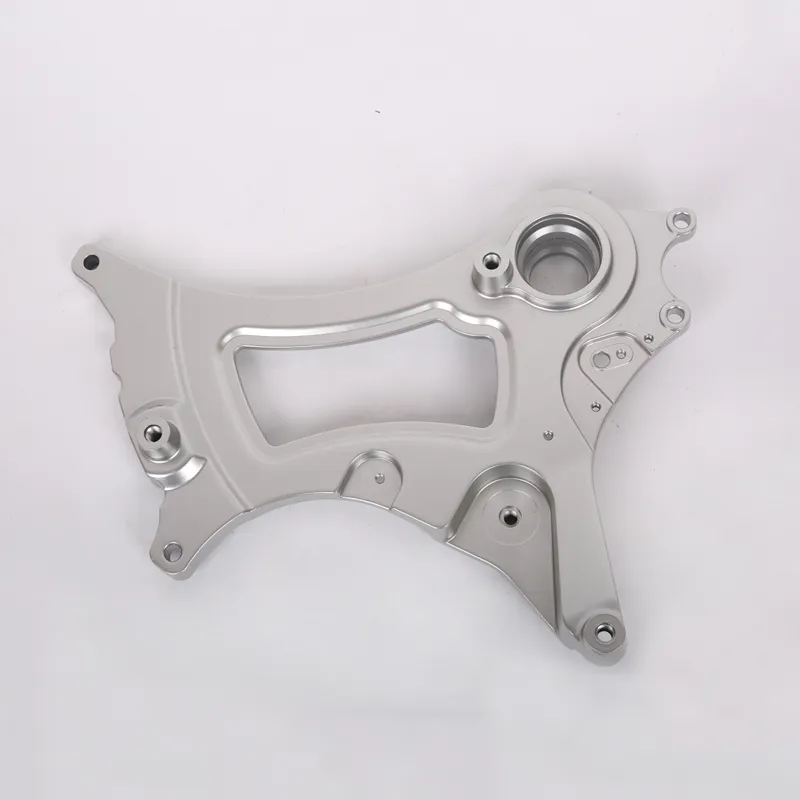
Take the Motorcycle Connecting Board for example. Motorcycles are constantly vibrating while in use. The connecting plates in a motorcycle are under a lot of stress from these vibrations. If they're not designed and made to withstand fatigue, they'll fail sooner rather than later.
4. Corrosion
Corrosion can be a real killer for connecting plates. When the plate is exposed to moisture, chemicals, or other corrosive substances, it can start to rust or corrode. Corrosion weakens the material, making it more likely to break.
In some industrial settings, the connecting plates are exposed to harsh chemicals. If the plate isn't properly coated or made from a corrosion - resistant material, it won't last long. Even in outdoor applications, like in construction, the plates can be affected by rain and humidity. We always recommend using corrosion - resistant coatings or materials for connecting plates in these environments.
5. Installation Issues
How the connecting plate is installed can also lead to failure. If the bolts are tightened too much, it can cause the plate to warp or crack. On the other hand, if the bolts aren't tightened enough, the plate might not be held securely in place. This can lead to movement and increased stress on the plate, which can eventually cause it to fail.
Proper alignment is also crucial. If the connecting plate isn't aligned correctly with the other components it's connecting, it can create additional stress. I've seen situations where a misaligned plate caused premature failure. So, it's really important to follow the installation instructions carefully.
6. Overloading
Sometimes, the connecting plate is just asked to do more than it can handle. If the load on the plate exceeds its design capacity, it's going to fail. This can happen if there's a change in the operating conditions or if the wrong plate is selected for the job.
For example, in a heavy - duty machinery application, if a plate designed for light - duty use is installed, it won't be able to support the weight and stress. The Motorcycle Connecting Plate is designed to handle a certain amount of load. Using it in a situation where the load is much higher can lead to a quick failure.
7. Environmental Factors
Extreme temperatures can also affect the performance of connecting plates. In very cold temperatures, some materials can become brittle and more prone to cracking. On the other hand, in high - temperature environments, the material can lose its strength.
For instance, in a foundry where the temperature is extremely high, the connecting plates need to be made from materials that can withstand the heat. If not, they'll start to deform and eventually fail.
Conclusion
As you can see, there are many reasons why a connecting plate might fail. But don't worry! As a supplier, we're here to help you avoid these issues. We use high - quality materials, state - of - the - art design techniques, and strict quality control measures to ensure that our connecting plates are reliable and long - lasting.
If you're in the market for connecting plates, whether it's a Motorcycle Connecting Board or a Motorcycle Connecting Plate, we'd love to talk to you. We can work with you to understand your specific needs and provide the best solution for your application. So, don't hesitate to reach out and start a procurement discussion with us.
References
- Metals Handbook: Fatigue and Fracture, ASM International
- Design of Machine Elements, by Robert L. Norton
- Corrosion Engineering, by Fontana and Greene